
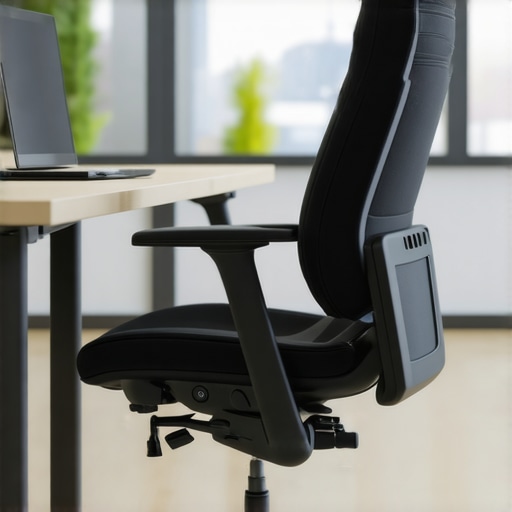
It was a bleak Tuesday afternoon when I finally realized why my back was screaming after a long day at my desk. No matter how many stretches I did or how much I adjusted my chair, that nagging soreness persisted, creeping up like an unwelcome guest. Then, out of nowhere, a simple thought struck me — could there be a hidden component missing from my office setup that was quietly sabotaging my posture? That revelation became my lightbulb moment.
The Hidden Culprit Sabotaging Your Back Comfort
Many of us are hitting the same wall — enduring discomfort despite our efforts to fix it. The truth is, most office chairs only come with basic lumbar support, which, while helpful, often isn’t enough to address the nuanced needs of our spines. What I overlooked early on was the importance of **personalized support that adapts to my body’s unique curves and movements**. Once I addressed this missing piece, my days became less painful, and my posture improved dramatically.
Are you frustrated because your back still aches after hours at your desk? You’re not alone. I’ve been there, and I want to share what finally made the difference.
Does the hype about ergonomic accessories really make a difference?
Early in my journey, I made the classic mistake of dismissing small adjustments, thinking they were just gimmicks. Like many, I believed that a fancy cushion or a new pillow wouldn’t change much. But research suggests that tailored ergonomic solutions can significantly reduce back pain if they align with how we sit and move throughout the day. For instance, proper support tailored to your lumbar curve can reduce strain on discs and muscles, preventing chronic issues.
By exploring these overlooked details and implementing targeted improvements—like a custom lumbar support or adjusting your seat depth—you can transform your workspace into a haven for your back’s health. In the upcoming sections, I’ll guide you through practical tips to identify and integrate these missing elements into your daily routine. Ready to move from pain to posture mastery? Let’s dive in.
Assess and Adjust Your Sitting Position Daily
Think of your spine as a delicate stack of building blocks that need proper alignment. Each day, take five minutes to evaluate your posture. Sit with your back fully supported, feet flat on the ground, and knees at a 90-degree angle. Adjust your chair height so your hips are slightly above your knees. Initially, I found it messy to remember every small tweak, but setting a timer helped me develop a routine. This micro-change immediately reduced my mid-back discomfort and improved my focus.
Use a Lumbar Roll for Better Support
A simple foam or ergonomic lumbar roll placed at the curve of your lower back can make a significant difference. I tried this after reading a guide on daily spinal adjustments. At first, I experimented with different thicknesses until I found the perfect fit. The impact was instant — my lower back stopped aching after hours of work. The key is to position it so your lumbar spine maintains its natural curve, not exaggerated or flattened.
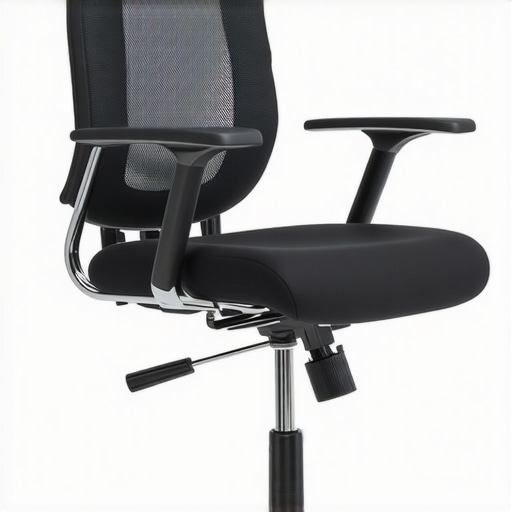
Insert an image showing proper lumbar support placement in an office chair, illustrating the correct position of a lumbar roll at the curve of the back.
Incorporate Micro-Movements into Your Routine
Long periods of static sitting compress spinal discs and muscles. To counteract this, I set a reminder every 30 minutes to do micro-movements. These included gentle twists, hip circles, and shoulder rolls. Think of your spine as a garden hose — moving it regularly prevents kinks and stiffness. I started with simple neck rotations, which took less than a minute, and noticed a reduction in neck and upper back tension. These small acts keep your joints mobile, akin to oiling moving parts regularly.
Practice the ‘Seated Cat-Cow’ Stretch
This gentle stretch mimics the yoga move but in a seated form. Sit on the edge of your chair, place your hands on your knees, inhale and arch your back while lifting your chest, then exhale, round your spine, and tuck your chin to your chest. Doing this for a minute every hour helps maintain spinal flexibility. I felt immediate relief in my lower back stiffness and discovered that consistency is crucial for lasting benefits. To deepen this understanding, check out mobility exercises.
Reposition Your Workspace Regularly
Just as a mechanic adjusts parts to keep a machine running smoothly, repositioning your monitor, keyboard, and mouse supports spinal alignment. My mistake was settling into a static setup. Now, I periodically shift my position, making small adjustments to my monitor height, angle, or keyboard placement. Doing so mimics natural movement, preventing the buildup of strain. Think of it as watering different parts of a garden — attention keeps everything flourishing. For specific tips, explore posture optimization tips.
Many assume that correct posture is just about sitting upright with shoulders back, but this simplistic view can be misleading. In reality, the biomechanics of the spine are far more complex, and common misconceptions often lead to ineffective or even harmful adjustments. For example, many believe that rigidly sticking to a perfect alignment is the key, yet excessively tightening your muscles or forcing your posture can reduce mobility over time, contributing to more pain. Advanced experts recognize that a dynamic approach, allowing natural movements while maintaining core stability, is superior. This nuanced understanding helps prevent the trap of overcorrecting, which many fall into, resulting in stiffness and reduced flexibility. Moreover, a frequent myth is that stretching always alleviates back pain; however, in cases like bulging discs or certain nerve compressions, aggressive stretching may exacerbate symptoms. Instead, targeted mobility exercises—such as gentle pelvic tilts or controlled spinal rotations—guided by professional insights, offer safer, more effective relief. Beware of the common error of neglecting the importance of daily micro-movements; static positions are often scapegoated, but research demonstrates that repetitive small adjustments bolster spinal health and prevent stiffness. For those seeking an advanced edge, exploring mobility mastery exercises can deliver lasting improvements. Are you making any of these overlooked mistakes? Understanding these nuances can drastically change your approach to back health and posture. Let’s challenge the oversimplified views and aim for a smarter, safer path to relief.Maintaining a healthy back over years requires not just good habits but also the right equipment and daily routines. I personally rely on a combination of ergonomic accessories and targeted mobility strategies that keep my spine flexible and aligned. One game-changer for me has been investing in an adjustable lumbar support cushion, which I adjust throughout the day to match my sitting position and prevent persistent discomfort. I’ve learned that customizing lumbar support isn’t just about comfort—it’s about actively reinforcing the natural curve of your spine, which can otherwise weaken over time without attention.
How do I maintain back health as I age?
Regularly incorporating mobility exercises like the seated cat-cow stretch—detailed at mobility mastery exercises—is essential. To deepen my practice, I use a soft massage ball to release tense muscles around my hips and lower back, following the guidance from chiropractic experts. Using tools like these, I’m able to address tight spots proactively before they turn into chronic issues.
Advancements in mobility tools, such as smart foam rollers with vibration features, are emerging and promising even better long-term results. These devices stimulate deeper muscle relaxation, improve circulation, and foster resilient support for your spine. As these technologies evolve, I predict that personalized, app-controlled mobility devices will become commonplace, offering customized routines based on your posture data. This tailored approach can make maintenance more effective and less time-consuming.
What strategies can help you sustain proper back alignment daily?
Consistency is key. I habitually incorporate micro-movements into my work routine—like the simple desk stretches and postural adjustments I’ve shared before—and use ergonomic tools to reinforce good habits. Regularly reviewing and refining your setup ensures your investment pays off over the years. Remember, even minor tweaks—such as adjusting your monitor height or adding a lumbar roll—can prevent long-term damage. For deeper insight, check out daily adjustments for back health. Don’t underestimate the power of proactive, intentional maintenance. Try integrating a targeted mobility drill today, perhaps the deep glute release with a massage ball, and notice how it supports your spinal resilience.
Throughout my journey to improve spinal health, I uncovered lessons that often fly under the radar but make all the difference. One revelation was that obsessively chasing the ‘perfect’ posture can sometimes backfire, causing tension instead of relief. Overcorrecting, I learned, diminishes mobility and can trap you in stiff positions, undermining your goals. Additionally, I realized that neglecting the importance of dynamic movement—integrating micro-movements and stretches—prevents the rigidity that static sitting breeds. Finally, I discovered that customizing ergonomic tools, from lumbar supports to sit-stand desks, aligns workspaces with personal needs, turning static setups into active, supportive environments.