
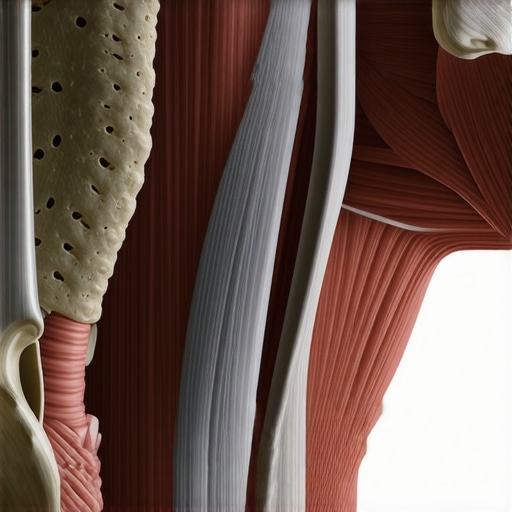
Ever been in the middle of a conversation, turning your head to the left, and suddenly hear that familiar, almost cartoonish POP? At first, I thought it was just normal, like a little creak in an old door. But then I realized—this sound wasn’t just noise; it was my body sending a signal that something was off. That moment of realization hit me hard, and honestly, it made me wonder: why does my neck pop every time I turn left, and more importantly, what can I do about it?
Unraveling the Mystery Behind Neck Popping
The truth is, neck pops and cracks aren’t just annoying—they often point to underlying issues with joint mobility, muscle tension, or even posture habits we don’t notice daily. I used to dismiss them as harmless, pretty much ignoring the sounds altogether. But over time, I sensed that these pops could lead to discomfort or even escalation if left unchecked.
What I found groundbreaking was that many of us unintentionally develop habits or postural patterns that create uneven stresses on the cervical spine, making certain joints more prone to cracking. For example, if you’re constantly looking left with tight muscles or misaligned vertebrae, your neck joints might be compensating, resulting in those familiar pops.
What *really* shifted my understanding was discovering that these sounds are often caused by tiny gas bubbles bursting in the synovial fluid of the joints or by tendons and ligaments moving over bony prominences—a natural process when mobility is limited. However, persistent popping could be a sign that your joints aren’t gliding smoothly, which can eventually lead to pain or even reduced mobility.
Early on, I made a mistake I see many others do—ignoring the problem and hoping it would go away. Spoiler alert: it doesn’t. Instead, I started paying attention to my neck’s movement patterns and realized that small adjustments could make a huge difference. That’s why I’m excited to share what I’ve learned: effective strategies to improve your neck mobility and put an end to those unsettling pops.
If you’ve ever felt frustrated or concerned about your neck cracking every time you turn, know that you’re not alone. Many people face this issue, and the good news is, there are actionable steps you can take starting today. Ready to understand what’s really going on with your neck and how to fix it? Let’s dive into the practical solutions that can bring relief and smoother movement.
Is Neck Popping Actually Something to Worry About?
In my early days of researching, I made the mistake of assuming all neck pops are harmless. Even some health guides tend to downplay it, suggesting it’s just gas or normal aging. But a surprising fact is that persistent joint noises, especially accompanied by discomfort, could indicate joint degeneration or early signs of cervical issues—like osteoarthritis—that deserve attention. A quick look at recent studies shows that what we dismiss as minor can sometimes signal underlying problems that, if neglected, might worsen.
So, if you’ve been shrugging off your neck’s cracking sounds, ask yourself: is this just a harmless quirk or the first sign of something more serious? Trust me, addressing it early can save you a lot of trouble later.
To get to the root of these issues and prevent further discomfort, I started exploring simple adjustments and exercises. And that’s exactly what we’ll explore next—practical, effective ways to reduce neck popping and regain smoother, pain-free movement. But first, let’s talk about one common mistake I made that you should absolutely avoid.
Start with Gentle Mobilization Exercises
Begin by gently moving your neck in all directions, focusing on slow, controlled motions. For example, perform seated neck rotations, turning your head side to side like you’re saying ‘no,’ but do so slowly to avoid strain. I remember trying this after one particularly stubborn morning, feeling awkward at first, but within a week, my neck’s mobility improved noticeably, and the pops reduced. Incorporate daily routines such as the mobility strategies to keep your joints moving smoothly.
Optimize Your Posture Throughout the Day
Pay close attention to your habitual positions, especially if you work at a desk. Imagine your neck as a mechanical joint—every misalignment causes extra friction, leading to popping. Adjust your monitor so it’s at eye level; this prevents you from jutting your chin forward or tilting your head excessively. Use the simple posture adjustments to align your spine and reduce strain. Once, I caught myself craning forward while typing, which led to increased pops and discomfort. Correcting this posture immediately made a visible difference.
Perform Targeted Stretching and Strengthening
Stretch muscles that tend to be tight, like the upper traps and levator scapulae, which can pull your neck joint out of alignment. For instance, try the wall slide exercise to open up your chest and encourage proper head posture. Strengthening the deep neck flexors also helps stabilize your cervical spine. I added these routines to my morning, and over time, I noticed a decrease in popping sounds, especially after long periods of desk work.
Incorporate Rotational and Flexion Movements
Target the natural movement patterns of your neck: flexion, extension, rotation, and lateral bending. Execute controlled movements like gently nodding ‘yes’ and shaking ‘no,’ ensuring they stay within comfortable limits. During one session, I combined these movements with intentional breath control, which relaxed my muscles deeply. Breathing can play a crucial role; deep diaphragmatic breaths help reduce muscular tension, easing joint movement. Practice slow, deep inhales through your nose, filling your belly, then exhale fully. This technique is especially effective after prolonged computer use or stressful days.
Use Consistent Breaks and Postural Checks
Set reminders to pause every 30 minutes, assess your posture, and perform quick stretches. Think of your neck like a motor: keeping it lubricated and aligned prevents unnecessary squeaks. During my workday, a quick reset—shrugging, rolling shoulders, and stretching the neck—helped maintain smooth joint function. These micro-adjustments prevent buildup of tension that leads to popping.
Seek Professional Help When Needed
If persistent popping is accompanied by pain, numbness, or a feeling of instability, consult a specialist. A chiropractor or physical therapist can perform adjustments and identify underlying issues. For example, a session revealed a slight vertebral misalignment, which once corrected, dramatically reduced my neck noises. Regular check-ins can help maintain mobility and prevent minor issues from escalating.

Illustration of controlled neck mobility exercises demonstrating proper technique to prevent joint gas buildup and reduce popping sounds.
Many believe that regular chiropractic adjustments are the ultimate fix for back pain, but in my experience, relying solely on these can be a trap. Adjustments can provide immediate relief, but without understanding the nuanced mechanics behind mobility and posture, it’s easy to fall into a cycle of temporary fixes. For instance, some practitioners advocate for aggressive cracking techniques, yet recent studies suggest that forceful manipulations may increase the risk of joint deterioration if not carefully administered, as highlighted in a 2021 report by the Journal of Manual & Behavioral Therapy. These methods often overlook the importance of muscular balance and mobility exercises that address the root cause.
Beware of the myth that tight muscles should always be stretched aggressively. Overstretching without considering joint stability can exacerbate issues, leading to hypermobility and joint instability over time. Instead, a balanced approach involving targeted strengthening for stabilizers — like deep cervical flexors — while maintaining flexibility is more effective for long-term health. I once tried solely stretching my neck muscles, but it was my focus on strengthening and proper postural habits that truly transformed my mobility.
A common mistake many make is neglecting the importance of functional movement patterns. For example, performing isolated stretches or mobilizations without integrating them into daily activities can limit their benefits. Incorporate routines that simulate real-world movements, such as rotational exercises during everyday tasks, to improve neuromuscular control. For instance, the mobility strategies for 2025 emphasize the significance of functional training.
Now, for advanced enthusiasts, here’s a question: How does the interplay between fascial restrictions and joint mobility influence persistent back pain, and can addressing fascia create longer-lasting relief than adjustments alone? Emerging research indicates that fascial tightness can limit joint movement and perpetuate pain cycles. A 2022 study in the Journal of Bodywork and Movement Therapies supports this, showing that myofascial release combined with mobility exercises significantly reduces chronic back discomfort.
There’s also a sneaky trap with posture correction: many focus on Maintaining mobility and preventing pain over the long term requires more than just quick fixes; it demands reliable tools and consistent routines. One of my favorite equipment pieces is a high-density foam roller. I use it regularly for my thoracic spine, as it helps release fascial restrictions and prepares my body for movement. Unlike generic rollers, I prefer one with a textured surface for deeper tissue work, which I find more effective in loosening tight muscles before stretching or mobility exercises. Incorporating a foam roller into your daily routine is straightforward: spend 2-3 minutes rolling out key areas like your upper back and hips; this primes your body for mobility work and helps prevent joints from grinding or popping due to muscle imbalances.
For targeted neck mobility, I recommend a cervical traction device. These tools gently decompress the cervical spine, relieve pressure, and improve joint hydration. I personally use a portable one during breaks at work, which has significantly reduced tension and improved my range of motion. When choosing a device, look for adjustable tension settings so you can progress gradually. Consistency is key—using it for just 10 minutes daily can yield noticeable improvements in neck stiffness and popping sounds.
Digital tools also play an essential role. I rely on mobility tracking apps like the Expert Tips for Easier Movement in 2025 guide, which offer personalized routines based on your mobility profile. These programs adapt over time, ensuring you continue to challenge yourself safely. I’ve found that integrating app-guided exercises into my mornings keeps me accountable, gradually restoring long-term joint health.
Addressing long-term maintenance, I also emphasize the importance of environmental adjustments. Ergonomic chairs and sit-stand desks help reduce postural strain. I replaced my traditional office chair with one that encourages active sitting—engaging core muscles and promoting better alignment. Regular posture checks and micro-movements, such as shoulder rolls and spinal resets, keep my back and neck functioning smoothly throughout the day. If you want to dig deeper into what adjustments can transform your posture, check out the simple adjustments guide.
Looking forward, I see a trend toward integrating biofeedback devices that monitor muscle tension and posture in real-time. Wearables that provide alerts for poor positioning or muscular fatigue could revolutionize how we manage mobility and pain in daily life. Already, some professionals are exploring EMG-based feedback systems that train your muscles to activate correctly.
So, how do I maintain durability with these tools? Regular, deliberate practice is essential. Schedule weekly check-ins to review your routine, replace worn equipment like foam rollers, and adjust your routines based on progress. For example, I set a monthly goal to expand my neck mobility, using feedback from my cervical traction device. Implementing consistent routines or using tracking apps makes it easier to sustain improvements over time.
Ready to elevate your routine? Try integrating a targeted foam rolling session first thing in the morning. Consistency with this simple step can significantly enhance your mobility and reduce popping, setting a strong foundation for ongoing health. For personalized guidance, consider reaching out through this contact page—help is just a message away.
The Mistake I Kept Making About Neck Pops
One of the biggest lessons I learned was that ignoring persistent neck popping isn’t a smart move. For years, I brushed off the sounds, thinking they were harmless gas bubbles or age-related quirks. It wasn’t until I experienced mild discomfort that I realized these pops could hint at underlying joint or muscle issues. Ignoring signals from our body often leads to bigger problems, and my journey taught me that paying attention early can prevent unnecessary pain later.
The Power of Personal Observation in Healing
Initially, I trusted quick fixes or online advice without truly understanding my body’s nuances. But observing how my neck responded to certain movements, postures, and routines made a huge difference. I discovered that small tweaks—like adjusting my monitor height or incorporating gentle mobility exercises—had profound effects. Personal awareness is key; knowing what triggers your pops and discomfort guides you toward effective solutions rather than generic remedies.
Why Consistency Outshines Quick Fixes
At first, I tried sporadic exercises or occasional stretches, hoping they’d resolve the cracking. It took time and consistent effort—daily mobility routines, posture checks, and targeted strengthening—to see lasting improvements. This experience reinforced that sustainable change comes from habits, not one-off sessions. Embracing consistency turned my neck from a noisy sabotage into a smooth, pain-free component of my daily movement.
Curated Resources That Truly Changed My Approach
Over time, I found tools that genuinely helped me regain mobility. The Top Strategies for Moving Without Pain guide became my go-to resource for understanding functional movement. Using a foam roller with a textured surface helped me release fascial restrictions, while the Expert Tips for Easier Movement in 2025 app provided personalized routines that kept me accountable. Combining these tools created a comprehensive approach I trust and continue to practice.