
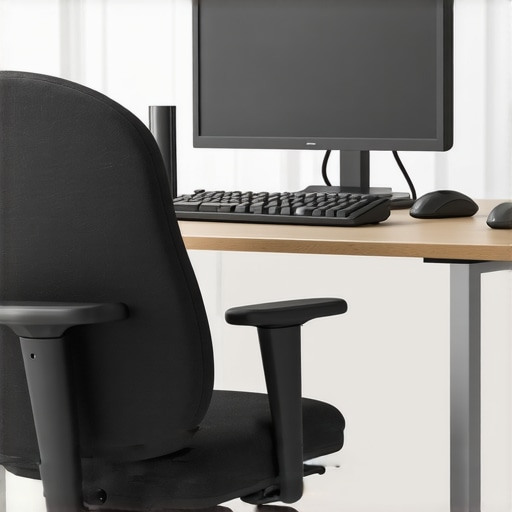
Ever been in the middle of a workday, only to be struck by that sudden, sharp throb in your lower back? Maybe your legs feel numb, or you notice that familiar prickling sensation creeping down your sciatic nerve. I recall countless mornings where I’d sit at my desk, feeling the first dull ache, thinking it was just a temporary stiffness—only to realize later that I’d pushed myself into a worse flare-up. That lightbulb moment hit me hard: my workspace, my posture, my entire approach to sitting needed a serious overhaul.
Why Your Desk Setup Could Be Sabotaging Your Back
Your daily routine might seem harmless—just hours of typing, browsing, or sketching—but those small, repeated misalignments can add up. I used to think that as long as I was comfortable, I was fine. But I learned the hard way that even minor ergonomic mistakes can exacerbate sciatica. For years, I overlooked simple adjustments because I thought they weren’t worth the hassle. Mistake number one? I kept my laptop too low, forcing my neck into a forward tilt and my hips into an awkward position. The result? Increased tension and ongoing pain. When I finally discovered how to optimize my workspace, everything changed. According to a study published by the Harvard School of Public Health, poor ergonomics can significantly contribute to musculoskeletal disorders, including chronic back pain and nerve irritation. Real change begins with awareness and deliberate adjustments, which I promise we’ll cover thoroughly.
Will Changing My Desk Setup Really Make a Difference?
This question haunted me initially. I was skeptical, just like you might be now. My biggest mistake early on was dismissing small posture tweaks as insignificant. But I found that targeted modifications—like adjusting chair height, supporting curves, and positioning screens—created a ripple effect. My pain levels dropped, my mobility improved, and I could finally enjoy a workday without the constant nagging discomfort. It’s not about luxury or expensive gear; it’s about making smart, intentional changes. Interested in more tips about daily adjustments? Check out these simple daily adjustments.
In the next sections, I’ll walk you through actionable steps to craft your ideal desk setup—tailored for those battling chronic sciatica. Because, trust me, relief is within reach, and it starts with a few honest tweaks to your workspace.
,
Set Your Chair Height for Natural Alignment
Start with your chair at a height where your feet are flat on the ground, knees bent at roughly 90 degrees. I once spent an hour fiddling with my office chair, raising and lowering it until my thighs felt supported without pressing into my knees. This simple adjustment prevents your hips from tilting forward, reducing pressure on your sciatic nerve. Think of your pelvis like a bucket; keeping it level ensures your spine stays balanced. Check your thigh angles regularly and adjust as needed to avoid unnecessary strain.
Position Your Monitor to Eye Level
Place your monitor so the top of the screen is at or just below eye level. I used a stack of books to elevate my laptop temporarily—almost looked ridiculous, but the relief was instant. When your screen is too low, your neck tilts forward, causing your shoulders to hunch and your hips to tilt. Imagine your neck like a piece of string; keeping it straight minimizes tension traveling down your back and legs. Use adjustable stands or risers to maintain this position and prevent slouching.
Align Your Lumbar Support Properly
Use a cushion or lumbar roll to support your lower back’s natural curve. I remember stuffing a small pillow behind me and feeling that familiar sciatica pain diminish within minutes. Proper lumbar support keeps your pelvis in a neutral position, preventing excessive forward tilt that aggravates nerve compression. Place the support at the curve of your back, not just behind your hips, ensuring your spine maintains its healthy alignment throughout the day.
Adjust Your Sitting Posture for Dynamic Movement
Rather than maintaining one static position, shift your sitting posture every 20-30 minutes. I set a timer, and when it rang, I would subtly change my sitting position or stand briefly. Think of your spine like a flexible straw; gentle movements prevent stiffness and improve circulation. Incorporate micro-breaks where you stand, stretch, or walk, actively relieving tension that builds up from static sitting. This approach mimics natural movement patterns, crucial for reducing sciatic discomfort.
Implement Simple Desk Exercises to Boost Mobility
I started doing quick stretches like hip circles and leg swings at my desk, which surprisingly made a significant difference. These exercises loosen tight muscles and improve blood flow, critical for sciatic nerve health. For example, a 10-second hip flexor stretch or ankle rotations can unlock tension knots. Think of these as oiling the hinges of a door; regular small movements keep everything functioning smoothly and prevent pain from settling in.
Create a Supportive Environment with Proper Accessories
Besides ergonomic furniture, use accessories like footrests and adjustable keyboard stands. I added a footrest that elevated my feet slightly, alleviating hip tilt. Your goal is to maintain a straight line from your head through your shoulders, hips, knees, and ankles, similar to a well-balanced scale. Proper accessories act like scaffolding for your body, supporting healthy posture and reducing nerve compression over long work hours.
Stay Consistent and Monitor Your Progress
Adjustments won’t stick unless you’re mindful of them. I kept a journal, noting when I felt relief and which modifications helped most. Over time, these small, consistent changes rewired my habits, leading to sustained back health. Regularly reassess your setup, as your body and work routines evolve. Remember, like tuning a musical instrument, fine-tuning your ergonomic setup can keep pain at bay and improve your mobility.
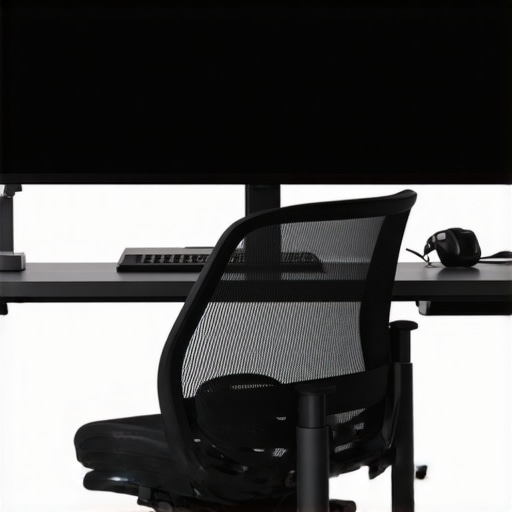
Many people assume that maintaining correct posture is simply about holding certain positions or avoiding slouching, but the reality is far more nuanced. A common misconception is that static alignment alone suffices for long-term back health, yet recent research suggests that the body’s dynamic movement patterns play a crucial role in preventing pain. In fact, overly rigid adherence to “perfect” posture can become counterproductive, leading to stiffness and muscular imbalances. As I delved into advanced studies, I discovered that the muscles responsible for stabilizing our spine need to be activated through controlled mobility, not just alignment, to truly optimize back health. For example, focusing solely on lumbar support without engaging core muscles can cause dependency and weaken those stabilizers over time. So, the secret lies in balancing stability with controlled movement, which many overlook. A notable expert in this field, Dr. Stuart McGill, emphasizes that combined stabilization and mobility exercises yield better long-term results than static postural corrections alone. It’s essential to incorporate *dynamic* adjustments into your routine rather than fixating solely on static positions. Additionally, many fall into the trap of correcting only visible misalignments, ignoring underlying movement restrictions or muscular weaknesses that perpetuate poor posture. Regularly assessing the flexibility of key muscles like the hip flexors, hamstrings, and thoracic spine ensures comprehensive progress. Want to explore advanced mobility strategies? Check out these mobility techniques. Remember, the path to lasting back health involves a nuanced approach that integrates both stability and mobility, tailored to your unique body mechanics. Don’t forget, persistent pain often signals compensatory patterns, so staying informed and adaptable is key. If you’ve ever fallen into these traps or have insights to share, let me know in the comments!
How Do I Maintain My Back and Posture Over Time?
Maintaining long-term back health requires more than just initial adjustments; it’s about integrating effective tools and routines into your daily life. Personally, I rely heavily on targeted equipment and smart software to track progress and reinforce good habits. One device I swear by is the posture correction sensor. I use a wearable device like Upright Go that gently vibrates when I slouch, providing immediate feedback. This real-time cue helps me develop subconscious awareness, which is crucial for lasting change. Additionally, I use mobile apps designed specifically for mobility and posture training, such as mobility enhancement programs. These platforms often include guided routines, reminders, and progress tracking, making it easier to stay committed.
In my experience, pairing physical tools with digital tracking creates a synergy that boosts consistency. For example, I set daily goals within an app to perform micro-mobility exercises, like hip openers or spinal twists, which are proven to enhance flexibility and reduce nerve irritation. Such routines are supported by research, including insights from mobility expert Dr. Stuart McGill, who emphasizes that controlled movement combined with stability exercises yields better long-term outcomes than static postural corrections alone. Looking ahead, technology will further personalize these tools, using AI to adapt routines based on real-time feedback, making maintenance more seamless than ever.
What Equipment Do I Recommend for Ongoing Back Care?
Beyond wearable sensors, I recommend incorporating versatile tools like foam rollers, resistance bands, and ergonomic supports. The mobility exercises with foam rollers, for example, help release tight muscles that can perpetuate poor posture and nerve compression. I keep a small foam roller at my desk and use it during breaks to roll out my hip flexors and lower back, which prevents stiffness and enhances circulation. Resistance bands are excellent for strengthening core stabilizers—crucial for preventing relapse. Using a band to perform proprioceptive stabilization drills has improved my posture endurance significantly.
Keep in mind, the key to long-term success is consistency and selecting tools that integrate seamlessly into your routine. Coupling physical tools with educational resources, like instructional videos or personalized coaching, maximizes their benefits. Remember, no single gadget is a cure-all; it’s about creating a habit-forming environment that promotes ongoing care.
How Do I Scale My Mobility Routine As I Improve?
As your body adapts, it’s essential to challenge yourself with progressive variations. I gradually increased the intensity and complexity of my routines—adding dynamic movements or duration—to continue making gains. This progressive overload principle, borrowed from strength training, applies equally to mobility work. For example, once I mastered basic hip stretches, I incorporated more advanced internal and external rotations, following guidance from mobility experts. Tools like resistance bands allow for scalable resistance, making exercises more challenging as your strength and flexibility improve. Moreover, periodic reassessment using simple mobility tests ensures your routines remain effective and safely push your boundaries without risking injury.
Looking forward, I predict that integrated biofeedback devices will play a larger role, helping us track subtle improvements in real-time and offering personalized adjustments. This trend aligns with a growing emphasis on data-driven health management, promising even better results in muscle stabilization and nerve health.
If you want to start supercharging your maintenance, experiment with a wearable posture sensor and commit to a daily mobility routine. Small, consistent efforts compounded over time create sustainable, pain-free movement. For more structured strategies, check out these posture and mobility tips for 2025 and make your ongoing back care both simple and effective.
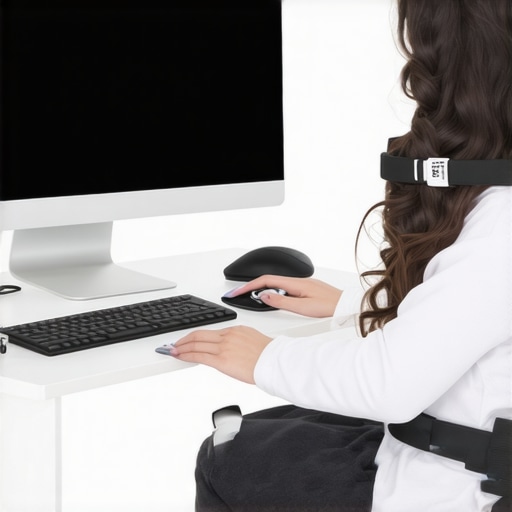
Remember, the secret to long-lasting back health isn’t just about quick fixes; it’s about embedding scalable, manageable tools into your lifestyle. Start today with just one device or routine, and over time, you’ll build a resilient foundation for mobility and pain-free living.
Three Lessons That Changed My Approach to Back Health
One of the toughest truths I learned was that perfect posture isn’t a static goal but a dynamic process. Trying to freeze my body into an ideal position only led to stiffness and frustration. Instead, embracing controlled movements and micro-adjustments enabled me to build resilience and flexibility, ultimately easing my sciatic discomfort. Another insight was that small, consistent tweaks—like elevating my monitor or supporting my lumbar—had compounding benefits, proving that progress often starts with tiny wins. Lastly, I discovered that understanding my body’s signals and respecting its need for variety in movement prevented flare-ups and fostered long-term healing. These lessons underscore that sustainable back health is more about mindful, adaptable habits than rigid rules.
Tools and Resources That Truly Made a Difference
My top recommendation is the mobility enhancement programs—they’ve guided me in developing routines that blend stability and mobility seamlessly. I also swear by the daily adjustment techniques outlined in this resource, which serve as practical checkpoints to keep my posture in check. For ongoing motivation, a wearable posture correction sensor like Upright Go provides gentle nudges to stay mindful of my alignment. Lastly, incorporating foam rollers and resistance bands from these tools into my routine has dramatically improved my muscle elasticity and core stability. These resources help transform complex concepts into manageable daily actions, making consistent back care achievable and effective.
Embrace Your Journey: Your Next Step Awaits
The path toward pain-free mobility isn’t about overnight miracles but about taking intentional, manageable steps today. Remember, your body is unique, and what works for one person might differ for another. Starting with small adjustments and leveraging the right tools can make all the difference in reclaiming your comfort and confidence. Don’t wait for pain to dictate your lifestyle—begin integrating these practices now and watch your resilience grow. Your future self will thank you for choosing to prioritize long-term health today.
What’s one change you’re willing to try this week to improve your back health? Share your plan below and let’s support each other on this journey to better movement!
}#}#}#}#}#}#}#}#}#}#}#}#}#}#}#}#}#}#}#}#}#}#}#}#}#}#}#}#}#}#}#}#}#}#}#}#}#}#}#}#}#}#}#}#}#}#}#}#}#}#}#}#}#}#}#}#}#}#}#}#}#}#}#}#}#}#}#}#}#}#}#}#}#}#}#}#}#}#}#}#}#}#}#}#}#}#}#}#}#}#}#}#}#}#}#}#}#}#}#}#}#}#}#}#}#}#}#}#}#}#}#}#}#}#}#}#}#}#}#}#}#}#}#}#}#}#}#}#}#}#}#}#}#}#}#}#}#}#}#}#}#}#}#}#}#}#}#}#}#}#}#}#}#}#}#}#}#}#}#}#}#}#}#}#}#}#}#}#}#}#}#}#}#}#}#}#}#}#}#}#}#}#}#}#}#}#}#}#}#}#}#}#}#}#}#}#}#}#}#}#}#}#}#}#}#}#}#}#}#}#}#}#}#}#}#}#}#}#}#}#}#}#}#}#}#}#}#}#}#}#}#}#}#}#}#}#}#}#}#}#}#}#}#}#}#}#}#}#}#}#}#}#}#}#}#}#}#}#}#}#}#}#}#}#}#}#}#}#}#}#}#}#}#}#}#}#}#}#}#}#}#}#}#}#}#}#}#}#}#}#}#}#}#}#}#}#}#}#}#}#}#}#}#}#}#}#}#}#}#}#}#}#}#}#}#}#}#}#}#}#}#}#}#}#}#}#}#}#}#}#}#}#}#}#}#}#}#}#}#}#}#}#}#}#}#}#}#}#}#}#}#}#}#}#}#}#}#}#}#}#}#}#}#}#}#}#}#}#}#}#}#}#}#}#}#}#}#}#}#}#}#}#}#}#}#}#}#}#}#}#}#}#}#}#}#}#}#}#}#}#}#}#}#}#}#}#}#}#}#}#}#}#}#}#}#}#}#}#}#}#}#}#}#}#}#}#}#}#}#}#}#}#}#}#}#}#}#}#}#}#}#}#}#}#}#}#}#}#}#}#}#}#}#}#}#}#}#}#}#}#}#}#}#}#}#}#}#}#}#}#}#}#}#}#}#}#}#}#}#}#}#}#}#}#}#}#}#}#}#}#}#}#}#}#}#}#}#}#}#}#}#}#}#}#}#}#}#}#}#}#}#}#}#}#}#}#}#}#}#}#}#}#}#}#}#}#}#}#}#}#}#}#}#}#}#}#}#}#}#}#}#}#}#}#}#}#}#}#}#}#}#}#}#}#}#}#}#}#}#}#}#}#}#}#}#}#}#}#}#}#}#}#}#}#}#}#}#}#}#}#}#}#}#}#}#}#}#}#}#}#}#}#}#}#}#}#}#}#}#}#}#}#}#}#}#}#}#}#}#}#}#}#}#}#}#}#}#}#}#}#}#}#}#}#}#}#}#}#}#}#}#}#}#}#}#}#}#}#}#}#}#}#}#}#}#}#}#}#}#}#}#}#}#}#}#}#}#}#}#}#}#}#}#}#}#}#}#}#}#}#}#}#}#}#}#}#}#}#}#}#}#}#}#}#}#}#}#}#}#}#}#}#}#}#}#}#}#}#}#}#}#}#}#}#}#}#}#}#}#}#}#}#}#}#}#}#}#}#}#}#}#}#}#}#}#}#}#}#}#}#}#}#}#}#}#}#}#}#}#}#}#}#}#}#}#}#}#}#}#}#}#}#}#}#}#}#}#}#}#}#}#}#}#}#}#}#}#}#}#}#}#}#}#}#}#}#}#}#}#}#}#}#}#}#}#}#}#}#}#}#}#}#}#}#}#}#}#}#}#}#}#}#}#}#}#}#}#}#}#}#}#}#}#}#}#}#}#}#}#}#}#}#}#}#}#}#}#}#}#}#}#}#}#}#}#}#}#}#}#}#}#}#}#}#}#}#}#}#}#}#}#}#}#}#}#}#}#}#}#}#}#}#}#}#}#}#}#}#}#}#}#}#}#}#}#}#}#}#}#}#}#}#}#}#}#}#}#}#}#}#}#}#}#}#}#}#}#}#}#}#}#}#}#}#}#}#}#}#}#}#}#}#}#}#}#}#}#}#}#}#}#}#}#}#}#}#}#}#}#}#}#}#}#}#}#}#}#}#}#}#}#}#}#}#}#}#}#}#}#}#}#}#}#}#}#}#}#}#}#}#}#}#}#}#}#}#}#}#}#}#}#}#}#}#}#}#}#}#}#}#}#}#}#}#}#}#}#}#}#}#}#}#}#}#}#}#}#}#}#}#}#}#}#}#}#}#}#}#}#}#}#}#}#}#}#}#}#}#}#}#}#}#}#}#}#}#}#}#}#}#}#}#}#}#}#}#}#}#}#}#}#}#}#}#}#}#}#}#}#}#}#}#}#}#}#}#}#}#}#}#}#}#}#}#}#}#}#}#}#}#}#}#}#}#}#}#}#}#}#}#}#}#}#}#}#}#}#}#}#}#}#}#}#}#}#}#}#}#}#}#}#}#}#}#}#}#}#}#}#}#}#}#}#}#}#}#}#}#}#}#}#}#}#}#}#}#}#}#}#}#}#}#}#}#}#}#}#}#}#}#}#}#}#}#}#}#}#}#}#}#}#}#}#}#}#}#}#}#}#}#}#}#}#}#}#}#}#}#}#}#}#}#}#}#}#}#}#}#}#}#}#}#}#}#}#}#}#}#}#}#}#}#}#}#}#}#}#}#}#}#}#}#}#}#}#}#}#}#}#}#}#}#}#}#}#}#}#}#}#}#}#}#}#}#}#}#}#}#}#}#}#}#}#}#}#}#}#}#}#}#}#}#}#}#}#}#}#}#}#}#}#}#}#}#}#}#}#}#}#}#}#}#}#}#}#}#}#}#}#}#}#}#}#}#}#}#}#}#}#}#}#}#}#}#}#}#}#}#}#}#}#}#}#}#}#}#}#}#}#}#}#}#}#}#}#}#}#}#}#}#}#}#}#}#}#}#}#}#}#}#}#}#}#}#}#}#}#}#}#}#}#}#}#}#}#}#}#}#}#}#}#}#}#}#}#}#}#}#}#}#}#}#}#}#}#}#}#}#}#}#}#}#}#}#}#}#}#}#}#}#}#}#}#}#}#}#}#}#}#}#}#}#}#}#}#}#}#}#}#}#}#}#}#}#}#}#}#}#}#}#}#}#}#}#}#}#}#}#}#}#}#}#}#}#}#}#}#}#}#}#}#}#}#}#}#}#}#}#}#}#}#}#}#}#}#}#}#}#}#}#}#}#}#}#}#}#}#}#}#}#}#}#}#}#}#}#}#}#}#}#}#}#}#}#}#}#}#}#}#}#}#}#}#}#}#}#}#}#}#}#}#}#}#}#}#}#}#}#}#}#}#}#}#}#}#}#}#}#}#}#}#}#}#}#}#}#}#}#}#}#}#}#}#}#}#}#}#}#}#}#}#}#}#}#}#}#}#}#}#}#}#}#}#}#}#}#}#}#}#}#}#}#}#}#}#}#}#}#}#}#}#}#}#}#}#}#}#}#}#}#}#}#}#}#}#}#}#}#}#}#}#}#}#}#}#}#}#}#}#}#}#}#}#}#}#}#}#}#}#}#}#}#}#}#}#}#}#}#}#}#}#}#}#}#}#}#}#}#}#}#}#}#}#}#}#}#}#}#}#}#}#}#}#}#}#}#}#}#}#}#}#}#}#}#}#}#}#}#}#}#}#}#}#}#}#}#}#}#}#}#}#}#}#}#}#}#}#}#}#}#}#}#}#}#}#}#}#}#}#}#}#}#}#}#}#}#}#}#}#}#}#}#}#}#}#}#}#}#}#}#}#}#}#}#}#}#}#}#}#}#}#}#}#}#}#}#}#}#}#}#}#}#}#}#}#}#}#}#}#}#}#}#}#}#}#}#}#}#}#}#}#}#}#}#}#}#}#}#}#}#}#}#}#}#}#}#}#}#}#}#}#}#}#}#}#}#}#}#}#}#}#}#}#}#}#}#}#}#}#}#}#}#}#}#}#}#}#}#}#}#}#}#}#}#}#}#}#}#}#}#}#}#}#}#}#}#}#}#}#}#}#}#}#}#}#}#}#}#}#}#}#}#}#}#}#}#}#}#}#}#}#}#}#}#}#}#}#}#}#}#}#}#}#}#}#}#}#}#}#}#}#}#}#}#}#}#}#}#}#}#}#}#}#}#}#}#}#}#}#}#}#}#}#}#}#}#}#}#}#}#}#}#}#}#}#}#}#}#}#}#}#}#}#}#}#}#}#}#}#}#}#}#}#}#}#}#}#}#}#}#}#}#}#}#}#}#}#}#}#}#}#}#}#}#}#}#}#}#}#}#}#}#}#}#}#}#}#}#}#}#}#}#}#}#}#}#}#}#}#}#}#}#}#}#}#}#}#}#}#}#}#}#}#}#}#}#}#}#}#}#}#}#}#}#}#}#}#}#}#}#}#}#}#}#}#}#}#}#}#}#}#}#}#}#}#}#}#}#}#}#}#}#}#}#}#}#}#}#}#}#}#}#}#}#}#}#}#}#}#}#}#}#}#}#}#}#}#}#}#}#}#}#}#}#}#}#}#}#}#}#}#}#}#}#}#}#}#}#}#}#}#}#}#}#}#}#}#}#}#}#}#}#}#}#}#}#}#}#}#}#}#}#}#}#}#}#}#}#}#}#}#}#}#}#}#}#}#}#}#}#}#}#}#}#}#}#}#}#}#}#}#}#}#}#}#}#}#}#}#}#}#}#}#}#}#}#}#}#}#}#}#}#}#}#}#}#}#}#}#}#}#}#}#}#}#}#}#}#}#}#}#}#}#}#}#}#}#}#}#}#}#}#}#}#}#}#}#}#}#}#}#}#}#}#}#}#}#}#}#}#}#}#}#}#}#}#}#}#}#}#}#}#}#}#}#}#}#}#}#}#}#}#}#}#}#}#}#}#}#}#}#}#}#}#}#}#}#}#}#}#}#}#}#}#}#}#}#}#}#}#}#}#}#}#}#}#}#}#}#}#}#}#}#}#}#}#}#}#}#}#}#}#}#}#}#}#}#}#}#}#}#}#}#}#}#}#}#}#}#}#}#}#}#}#}#}#}#}#}#}#}#}#}#}#}#}#}#}#}#}#}#}#}#}#}#}#}#}#}#}#}#}#}#}#}#}#}#}#}#}#}#}#}#}#}#}#}#}#}#}#}#}#}#}#}#}#}#}#}#}#}#}#}#}#}#}#}#}#}#}#}#}#}#}#}#}#}#}#}#}#}#}#}#}#}#}#}#}#}#}#}#}#}#}#}#}#}#}#}#}#}#}#}#}#}#}#}#}#}#}#}#}#}#}#}#}#}#}#}#}#}#}#}#}#}#}#}#}#}#}#}#}#}#}#}#}#}#}#}#}#}#}#}#}#}#}#}#}#}#}#}#}#}#}#}#}#}#}#}#}#}#}#}#}#}#}#}#}#}#}#}#}#}#}#}#}#}#}#}#}#}#}#}#}#}#}#}#}#}#}#}#}#}#}#}#}#}#}#}#}#}#}#}#}#}#}#}#}#}#}#}#}#}#}#}#}#}#}#}#}#}#}#}#}#}#}#}#}#}#}#}#}#}#}#}#}#}#}#}#}#}#}#}#}#}#}#}#}#}#}#}#}#}#}#}#}#}#}#}#}#}#}#}#}#}#}#}#}#}#}#}#}#}#}#}#}#}#}#}#}#}#}#}#}#}#}#}#}#}#}#}#}#}#}#}#}#}#}#}#}#}#}#}#}#}#}#}#}#}#}#}#}#}#}#}#}#}#}#}#}#}#}#}#}#}#}#}#}#}#}#}#}#}#}#}#}#}#}#}#}#}#}#}#}#}#}#}#}#}#}#}#}#}#}#}#}#}#}#}#}#}#}#}#}#}#}#}#}#}#}#}#}#}#}#}#}#}#}#}#}#}#}#}#}#}#}#}#}#}#}#}#}#}#}#}#}#}#}#}#}#}#}#}#}#}#}#}#}#}#}#}#}#}#}#}#}#}#}#}#}#}#}#}#}#}#}#}#}#}#}#}#}#}#}#}#}#}#}#}#}#}#}#}#}#}#}#}#}#}#}#}#}#}#}#}#}#}#}#}#}#}#}#}#}#}#}#}#}#}#}#}#}#}#}#}#}#}#}#}#}#}#}#}#}#}#}#}#}#}#}#}#}#}#}#}#}#}#}#}#}#}#}#}#}#}#}#}#}#}#}#}#}#}#}#}#}#}#}#}#}#}#}#}#}#}#}#}#}#}#}#}#}#}#}#}#}#}#}#}#}#}#}#}#}#}#}#}#}#}#}#}#}#}#}#}#}#}#}#}#}#}#}#}#}#}#}#}#}#}#}#}#}#}#}#}#}#}#}#}#}#}#}#}#}#}#}#}#}#}#}#}#}#}#}#}#}#}#}#}#}#}#}#}#}#}#}#}#}#}#}#}#}#}#}#}#}#}#}#}#}#}#}#}#}#}#}#}#}#}#}#}#}#}#}#}#}#}#}#}#}#}#}#}#}#}#}#}#}#}#}#}#}#}#}#}#}#}#}#}#}#}#}#}#}#}#}#}#}#}#}#}#}#}#}#}#}#}#}#}#}#}#}#}#}#}#}#}#}#}#}#}#}#}#}#}#}#}#}#}#}#}#}#}#}#}#}#}#}#}#}#}#}#}#}#}#}#}#}#}#}#}#}#}#}#}#}#}#}#}#}#}#}#}#}#}#}#}#}#}#}#}#}#}#}#}#}#}#}#}#}#}#}#}#}#}#}#}#}#}#}#}#}#}#}#}#}#}#}#}#}#}#}#}#}#}#}#}#}#}#}#}#}#}#}#}#}#}#}#}#}#}#}#}#}#}#}#}#}#}#}#}#}#}#}#}#}#}#}#}#}#}#}#}#}#}#}#}#}#}#}#}#}#}#}#}#}#}#}#}#}#}#}#}#}#}#}#}#}#}#}#}#}#}#}#}#}#}#}#}#}#}#}#}#}#}#}#}#}#}#}#}#}#}#}#}#}#}#}#}#}#}#}#}#}#}#}#}#}#}#}#}#}#}#}#}#}#}#}#}#}#}#}#}#}#}#}#}#}#}#}#}#}#}#}#}#}#}#}#}#}#}#}#}#}#}#}#}#}#}#}#}#}#}#}#}#}#}#}#}#}#}#}#}#}#}#}#}#}#}#}#}#}#}#}#}#}#}#}#}#}#}#}#}#}#}#}#}#}#}#}#}#}#}#}#}#}#}#}#}#}#}#}#}#}#}#}#}#}#}#}#}#}#}#}#}#}#}#}#}#}#}#}#}#}#}#}#}#}#}#}#}#}#}#}#}#}#}#}#}#}#}#}#}#}#}#}#}#}#}#}#}#}#}#}#}#}#}#}#}#}#}#}#}#}#}#}#}#}#}#}#}#}#}#}#}#}#}#}#}#}#}#}#}#}#}#}#}#}#}#}#}#}#}#}#}#}#}#}#}#}#}