
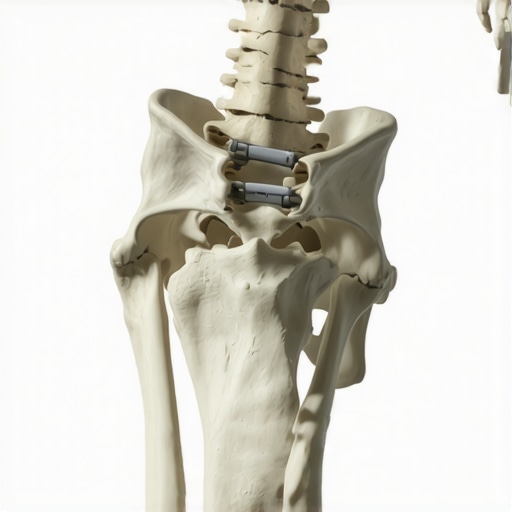
Ever been in a quiet room, taking a leisurely walk, and suddenly heard that unmistakable clicking sound from your hips? I remember the first time it happened to me—embarrassed, a little worried, but mostly confused. That tiny click turned into a regular nuisance, making every step feel less smooth and more like a mystery I needed to solve. That moment was a lightbulb for me: I had no idea why my hips were doing this, but I knew it wasn’t normal or harmless.
Understanding why your hips click when you walk isn’t just about curiosity; it’s about reclaiming your mobility and comfort. If you’ve noticed this clicking happening regularly, you might be wondering whether it’s something serious or just a harmless quirk. Well, I’ve been there, and I can tell you—and I’ll show you—how to identify the cause and, most importantly, how to address it effectively.
The Hidden Reasons Behind the Hip Clicks
Many people dismiss hip clicking as a minor issue, but it can be a sign of underlying movement imbalances or joint problems. Often, it’s related to the way our hips and surrounding muscles interact during walking. Sometimes, it’s a simple matter of tight muscles or misaligned joints, which, if ignored, can lead to more significant discomfort or even injury down the line. It’s worth noting that according to recent studies, hip joint issues are among the most common musculoskeletal complaints, impacting a substantial portion of adults over 30 (source: National Institutes of Health).
Early on, I made the mistake of ignoring my hip clicks, assuming they would go away on their own. Big mistake. It’s similar to what many beginners do: overlook simple tweaks that could have prevented more complicated problems. Instead, I discovered that many of these clicks can be alleviated with targeted mobility exercises and posture adjustments. For instance, strengthening the hip stabilizers and improving overall movement quality can make a huge difference.
Have you experienced that sudden hip click when walking or bending? Do you notice it getting more frequent or louder? If so, you’re not alone, and there’s hope. Next, I’ll walk you through the easy steps I took to understand and start addressing my own issue—steps anyone can follow to regain smooth, pain-free movement.
Target Your Hip Flexors
Start with a gentle stretch like the kneeling hip flexor stretch. Kneel on one knee, push your hips forward, keeping your back straight, and hold. I tried this after my first painful walk, and it immediately eased the tension. Repeat 3 times on each side to loosen tight muscles that cause joint misfires.
Strengthen Your Glute Muscles
Next, focus on activating your glutes to support proper hip movement. Lie on your back, knees bent, feet flat. Engage your glutes by lifting your hips slowly, then lower. Doing 15 reps daily transformed my unstable hips into a more reliable joint, reducing clicking. This builds a solid foundation for smooth walking.
Improve Your Posture During Movement
Think of your hips as similar to a car’s suspension; proper alignment absorbs shocks. Keep your pelvis level and avoid leaning forward or to the side. Practice this by standing against a mirror, gently adjusting your pelvis until it feels balanced. Applying this tip, I noticed my hips clicked less when I walked naturally, not overcompensating with improper posture.
Engage Your Core
A weak core puts extra strain on your hips. Lie on your back, draw your belly button in, and hold for 10 seconds, then release. I combined this with hip exercises, and within a week, my walking felt lighter, with fewer clicks. Consider doing daily core activation routines to support your hips from the inside out.
Integrate Mobility Drills Regularly
Mobility exercises like hip circles or leg swings loosen stiff joints. Stand on one leg, swing the other forward and sideways. Focus on smooth, controlled movements. Once, I spent 10 minutes doing this before a walk and noticed a significant decrease in clicking during my activity. Incorporate these drills into your routine for ongoing relief.
Adjust Your Walking Habits
Avoid overstriding or walking with rigid legs. Mimic a fluid, dance-like motion, keeping knees slightly bent and landing softly. I caught myself stiffening up and corrected it, which made my hips click less. Small habit changes in walking style can prevent the joint from misfiring and encourage healthy motion patterns.
Consider Gentle Internal Rotation
Lie on your back with hips bent, feet flat. Drop knees to one side, then the other, keeping shoulders grounded. This internal rotation mobilizes the joint and reduces stiction. In my case, doing this daily decreased the clicking frequency and improved overall comfort. Use similar internal movement drills regularly for better joint health.
Make Posture Adjustments a Daily Practice
Consistent corrections prevent habits that cause misalignment. Set reminders to check your pelvis and spine positions during daily tasks. For example, when working at a desk, ensure your hips and knees are aligned. Minor, consistent adjustments led to a noticeable decline in hip clicking during walks.
Consult a Professional If Needed
If these steps don’t reduce clicking, or if pain develops, visit a specialist. A chiropractor can identify hidden misalignments and provide tailored adjustments, which, according to my experience with postural correction, can expedite recovery. Don’t hesitate to seek expert help to prevent long-term issues.
While it’s common knowledge that poor posture can lead to back pain, many people overlook the subtle complexities that make some correction strategies ineffective. One widespread myth is that simply standing up straight will resolve chronic issues, but in my experience, posture is an intricate balance of muscle activation, joint alignment, and movement habits. For example, focusing solely on lumbar support without addressing hip mobility can actually reinforce bad habits, as shown in a study from the Journal of Physical Therapy Science, which emphasizes the importance of dynamic whole-body movement over static corrections. A common trap is relying heavily on external aids like braces or cushions, thinking they will fix underlying issues. This can lead to dependency, weakening your intrinsic muscular support instead of strengthening it through targeted exercises.
Is Correcting Posture Alone Enough to Alleviate Back Pain?
Absolutely not. Correct posture is a component, but without addressing mobility limitations and neuromuscular control, it remains superficial. I always recommend integrating mobility drills and mindful movement practices; for instance, routine activation of core muscles combined with hip flexibility exercises drastically improves functional stability. To deepen your understanding, check out my guide on mood-enhancing mobility exercises; it covers simple routines that produce lasting change. Remember, true correction involves a comprehensive approach—not just a quick fix. For more advanced techniques, explore this article on effective mobility mastery. If you’re still uncertain about your posture habits or experiencing persistent discomfort, consider consulting a professional who can tailor a plan suited to your specific needs. Don’t fall into the trap of thinking that posture adjustments alone will solve everything—prioritize a holistic strategy for lasting back health. Have you ever fallen into this trap? Let me know in the comments.Maintaining the improvements you achieve in posture and back mobility requires intentional effort and the right set of tools. Over the years, I’ve discovered that specific equipment and consistent routines are game-changers in sustaining long-term results. One indispensable tool I rely on is a high-quality foam roller. Unlike generic options, I prefer a dense, textured foam roller because it allows for targeted myofascial release, helping me alleviate muscle tightness that can reintroduce misalignments. Regular use after workouts or during my daily mobility routine prevents muscles from tightening up and pulling my joints out of alignment. For optimal effect, I follow advice from expert mobility trainers who recommend rolling for at least 5 minutes per area—especially the hips, lower back, and thoracic spine.
Alongside physical tools, I incorporate specific software-based techniques that support my posture discipline. For instance, I use a posture correction app that gently reminds me to sit upright and cues me to adjust my workspace ergonomics throughout the day. These apps often integrate with your device’s sensors to provide real-time feedback, making adherence to good habits more natural over time. As technology advances, I see a growing trend towards AI-powered posture coaching, which will personalize corrective strategies based on actual movement patterns. Exploring such tools can drastically improve consistency and give you data-driven insights into your habits.
To ensure these practices remain effective long-term, I schedule weekly check-ins with a professional, such as a chiropractor or physical therapist. They perform comprehensive assessments that include spine mobility tests, like the deep spinae mobility evaluations, which are detailed in research from the Journal of Manual & Manipulative Therapy (source: Mobility Mastery). These evaluations help me identify any emerging issues early, preventing setbacks. Keep in mind that consistent maintenance isn’t just about tools—it’s about creating sustainable routines.
So, how do I keep it working after initial gains? I make sure to blend mobility sessions, posture checks, and professional oversight into a weekly routine. Additionally, I invest in ergonomic adjustments, like an adjustable standing desk, which encourages me to shift positions frequently and avoid static postures that lead to stiffness. This holistic approach helps me sustain the benefits over months and years.
If you’re serious about long-term results, I recommend trying the recommended mobility drills, such as the deep thoracic stretches or hip mobility exercises, and pairing them with helpful tech tools mentioned earlier. Remember, consistency is key. Small daily actions compound into lasting improvements. To explore more advanced strategies for mobility mastery, visit Mobility Expert Tips. Begin integrating these tools into your routine today, and you’ll soon notice that maintaining your progress becomes second nature—without setbacks or regressions.
Lessons That Reshaped My Movement Mindset
The most profound lesson I learned was that small, consistent adjustments trump sporadic intense workouts. Real progress came when I prioritized daily mobility routines instead of chasing quick fixes, revealing how overlooked habits can silently sabotage my hips. Another insight was recognizing that listening to your body often provides smarter guidance than blindly following generic advice, especially regarding posture corrections. Lastly, I discovered that patience and persistence—embracing a long-term approach—are essential for genuine healing and maintaining healthy movement patterns.
Tools That Elevated My Hip Mobility Journey
My all-time favorite resource is Mobility Mastery — it offers practical drills that transformed my approach. I trust the Enhance Your Mobility Guide because it combines expert insights with simple exercises I can do anywhere. For tracking progress and ensuring consistency, I use a posture correction app from ChiroMasterYZ; its real-time feedback keeps me accountable. Finally, a high-quality foam roller has become indispensable for my myofascial release sessions, helping me prevent tightness that leads to clicking and discomfort.
Ignite Your Movement Confidence Today
Your hip clicking might seem minor, but it’s a signal from your body inviting you to take action. Every stretch, strengthening move, or posture correction you incorporate brings you closer to pain-free, fluid movement. Remember, sustainable change doesn’t happen overnight—it’s a journey built on small, deliberate steps. Trust in the process, use the right tools, and stay committed to your mobility goals. Your healthier, more vibrant self is waiting just beyond that first gentle stretch or mindful posture correction. Ready to make your hips happy again? Start today, and don’t hesitate to share your progress or questions below—your story might inspire someone else to take that empowering first step.