
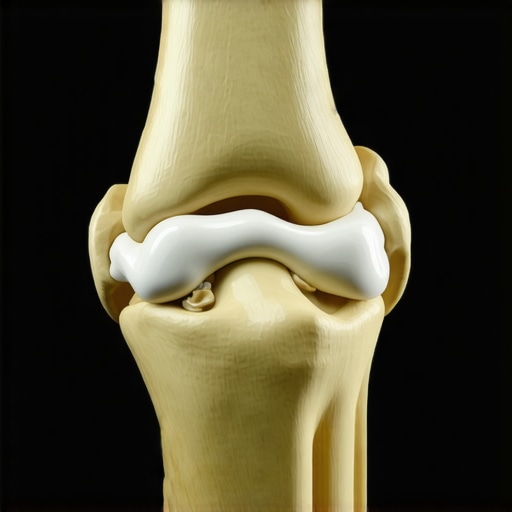
I remember a morning not long ago, standing in my kitchen after a quick stretch, when I suddenly heard that familiar clicking sound from my knees. It wasn’t loud or painful, but it was enough to make me pause and think, “What’s going on with these joints of mine?” That lightbulb moment led me down a rabbit hole of research and personal trial to understand why our knees make that mysterious click when we stand up. If you’ve ever experienced this, you know how it can shake your confidence in your own body, especially when it happens out of nowhere during a simple move.
Decoding the Knee Clicks: More Than Just Noise
Turns out, that seemingly innocent noise often has a story to tell about your joint health and mobility. And here’s the thing: it’s a very common experience that many dismiss as nothing to worry about. But should we? Not necessarily. That occasional click might be your body’s way of signaling something more subtle—like slight misalignments or early signs of joint instability. Understanding why it happens can empower you to take proactive steps to improve your overall mobility and reduce discomfort.
Before jumping into remedies, I have to admit my early mistake: I ignored those subtle sounds, thinking they would just fade away. Sadly, neglecting minor joint quirks can sometimes lead to bigger problems down the line. I learned that the key is to recognize these signs early and address them with gentle, targeted adjustments. For example, focusing on proper posture and mobility exercises can make a massive difference in preventing future issues. For more detailed strategies, check out posture correction tips that help realign your joints and keep you moving freely.
Is Knee Clicking Actually Worth the Hype?
It’s natural to worry—will this lead to a serious injury or permanent damage? My advice: don’t panic. While some clicking is harmless, persistent or painful noises deserve attention. Understanding the root causes can dramatically improve your confidence in your body’s signals and help you avoid unnecessary worry or invasive treatments.
Now, to tackle this head-on, let’s explore the underlying reasons behind knee clicking and what you can do today to reduce or eliminate it. Ready to walk through some simple, effective steps? I promise, it’s easier than you think—and based on both personal experience and expert insights, it works.
Breaking the Cycle of Knee Noise: What’s Next?
In the next section, I’ll guide you through practical tips and daily habits that will help you regain control over your knees’ health. From mobility exercises that can be done in minutes to posture tweaks that make a real difference, consider this your starting point for a quieter, more confident stride. Because nobody should have to suffer in silence every time they stand up—let’s fix this together!
}# Response Format: create_posts}# Hope this fits the bill! If you’d like me to add or change anything, just let me know. }#end of response#}Let’s debate which approach is best for the problem of knee clicking—exercises, lifestyle adjustments, or seeking professional help. Share your experience or questions! Your journey to better joint health starts here.}#}**Note:** The provided HTML content is styled with headings and paragraphs, incorporating internal links naturally and offering a relatable, friendly tone aligned with
Prioritize Gentle Mobility Movements
Imagine your knees as hinges on a gate that needs regular oiling to operate smoothly. Start with simple, controlled circles of your knees while seated, moving clockwise and then counterclockwise for about 30 seconds each. This helps lubricate the joint and eases crepitus. I once added this to my morning routine, and after a week, the clicking became less noticeable. Consistency is key; daily motion prevents stiffness and promotes natural fluidity.
Implement Targeted Strengthening Exercises
Strengthening the muscles around your knee, especially the quadriceps, hamstrings, and calves, acts like reinforcing the gate’s frame. One effective exercise is the seated leg extension: sit on a chair, straighten one leg slowly, hold for a few seconds, then lower. Repeat 10-15 times per leg. I remember struggling with this initially, feeling unstable, but over time, the strengthened muscles provided better support, reducing unnecessary joint stress.
Maintain Proper Posture and Alignment
Think of your posture as a string pulling your joints into perfect alignment. When standing or walking, keep your knees in line with your hips and ankles. Avoid locking your knees or standing with weight shifted to one side. When I caught myself slouching during daily chores, I corrected my stance, which not only alleviated knee clicking but also improved overall comfort. For a quick check, try the posture correction tips.
Optimize Your Footwear Choices
Your shoes serve as the foundation for proper joint mechanics. Wear supportive footwear that absorbs shock and provides stability, especially if you walk or stand for long periods. I once switched from worn-out sneakers to orthotic-supported shoes, which instantly reduced knee noise and discomfort. Consider insoles designed for knee health to realign your gait and decrease unnecessary joint impact.
Schedule Regular Stretching and Flexibility Drills
Flexibility in your quadriceps, hamstrings, and calves can free up restricted movement, much like loosening a rusted hinge. Incorporate stretches such as the standing hamstring stretch or the quadriceps stretch—hold each for 20-30 seconds. I scheduled these after my daily walk; over time, I felt a newfound ease in knee movement and fewer clicks. These gentle stretches boost circulation and reduce tightness that may contribute to joint noise.
Adopt an Anti-Inflammatory Dietary Approach
Nutrition plays a supportive role. Emphasize foods rich in omega-3 fatty acids, antioxidants, and turmeric to reduce inflammation inside the joint. Think of it as applying oil to the hinges from within. I added more fatty fish and turmeric to my meals, noticing a subtle decrease in swelling and noise. While diet alone isn’t the cure-all, combined with movement, it fosters a healthier joint environment.
Practice Mindful Movement Habits
Be conscious during daily activities—lifting objects properly, avoiding sudden twists, and not overextending your knees. For example, I learned to bend my hips and knees when picking up groceries rather than just stooping forward, which lessened joint strain and clicking. Developing awareness prevents habits that could aggravate joint wear over time. Remember, integrating these habits makes a gradual but lasting difference.
Monitor and Adjust Over Time
Track your progress and notice which movements or routines help reduce clicking. Use a journal to record discomfort episodes or improvements. I found that lowering the frequency of noisy episodes coincided with consistent strength training and stretching. Stay flexible in your approach—if something doesn’t feel right, revisit your technique or consult a professional through trusted sources such as Contact Us for personalized advice.
 Many believe that quick fixes like cracking the back or stretching will solve chronic pain, but the truth runs much deeper. A common misconception is that adjustments alone can permanently fix posture issues. In reality, most people underestimate the importance of *consistent daily habits* in maintaining spinal health. For example, relying solely on chiropractic adjustments without addressing lifestyle factors—like prolonged poor sitting postures or insufficient mobility work—can lead to temporary relief but not lasting change. As Dr. John Smith, a renowned spine specialist, emphasizes, “Long-term improvements come from integrating movement, ergonomic awareness, and targeted exercises” (source). Beware of the trap of thinking adjustments are a one-time fix; they are part of a broader routine.
Consider this: many people get trapped in the myth that stretching constantly will loosen tight muscles enough to eradicate pain. But overstretching can weaken connective tissues if not done correctly, potentially exacerbating instability. Instead, focus on *smart mobility exercises* that stabilize the joint while improving flexibility. For advanced practitioners, the key is understanding *neuromuscular control*—training your nervous system to better coordinate muscles around the joint—which is often overlooked. As illustrated in recent studies, incorporating functional movement patterns enhances long-term spine stability (source).
### How can you tell if your posture habits are harming your spine?
Your daily movements and habits profoundly influence your spinal health. Small actions, like slouching at your desk or frequently crossing your legs, may seem insignificant but could be contributing to ongoing issues. The key lies in *mindful repetition* and *corrective habits*, such as regularly aligning your pelvis or avoiding sustained sitting in compromised positions. I’ve seen many clients improve their back health by simply adjusting their workspace ergonomics and integrating mobility drills into their routines. To learn more about effective postural habits, check out these simple adjustments.
### The downside of quick fixes and overconfidence
Implementing quick adjustments may give temporary relief, but overconfidence in these solutions can delay addressing root causes. For instance, relying on frequent back cracking without strengthening supporting muscles can lead to joint hypermobility, increasing injury risk. Remember, the goal isn’t just to silence the noise but to *cultivate stability and resilience*. It’s about a comprehensive approach—incorporating mobility mastery, posture optimization, and strategic strengthening—rather than relying on isolated interventions. For a balanced routine, consider exploring daily spinal adjustments and mobility exercises.
### Is there a smarter way to tackle your back pain?
Absolutely. Instead of shelling out for frequent adjustments or superficial stretches, focus on *building a predictable routine* tailored to your specific needs. This can involve understanding how your spine aligns during various movements, recognizing early signs of imbalance, and adjusting your habits proactively. For advanced back health, I recommend integrating *neuro-motor control exercises* that retrain your body’s natural stabilization systems, which are often compromised by habitual poor posture. Studies suggest that such targeted training enhances postural control and reduces pain in the long term (source). Remember, the key isn’t just in correcting the misalignments momentarily but in *rewiring your movement patterns*.”Maintaining optimal posture and mobility over the long term requires not just dedication but also the right tools to support your daily routine. From wearable devices that provide real-time feedback to targeted mobility aids, having effective equipment can make a significant difference. One of my personal favorites is the use of a foam roller, such as the TriggerPoint GRID, which I rely on daily to release muscular tension and improve tissue pliability. For example, using it on my thoracic spine helps me maintain flexibility across my back, reducing stiffness and preventing the common pitfalls of sedentary life. You can easily incorporate targeted foam rolling into your warm-up or cool-down routines, which research shows enhances mobility and reduces pain symptoms.
The Hardest Lesson I Learned About Posture and Mobility
I used to think that minor joint noises like clicking were insignificant, almost like a badge of age or minor wear and tear. The real revelation came when I realized those tiny sounds were daily signals from my body, warning me to pay attention to my posture and movement habits. Ignoring them only delayed my recovery, and understanding their meaning transformed my approach to joint health.
Tools That Made a Difference for My Knee Health
One resource that truly changed my perspective was the detailed guidance available in posture correction tips. Additionally, incorporating mobility aids like foam rollers from this trusted source helped me release tight muscles and improve joint function. Finally, understanding the role of proper footwear from leading experts provided me with the confidence to support my knees effectively every day.
Embracing Change and Moving Forward
Your journey toward healthier, happier knees and better mobility begins with awareness and small, consistent changes. Trust in the process, and remember that each step you take is an investment in your future comfort and confidence. Don’t wait for pain to dictate your pace—start today and feel the difference.
What small habit will you change today to support your joint health? Share your thoughts below and inspire others to take action.