
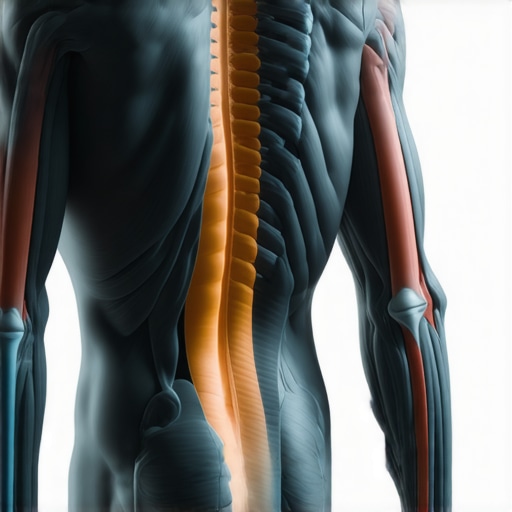
I remember the first time I seriously hurt my back. It was during a routine workout, but I felt a sudden, sharp pain that made me realize that having a strong core wasn’t enough. I had been religiously doing my planks and abdominal exercises, yet my pain persisted. That lightbulb moment shattered my assumptions and taught me that back health is more complex than just core strength.
The Missing Piece in Back Care
For years, I believed that building a solid core was the ultimate solution to back pain. And while core strength is undeniably important, I soon learned from my own experience—and countless others—that it’s only half the battle. The real challenge lies in understanding how interconnected our bodies truly are. Your back doesn’t operate in isolation; it’s part of a complex network that includes mobility, posture, and daily habits.
Is Strength Enough to Keep Your Back Safe?
This is where many of us get tripped up. You might be lifting weights, doing core exercises, and feeling confident—yet still dealing with nagging pain. The reason? Strength alone doesn’t address issues like joint mobility, muscle imbalances, or movement patterns that could be sabotaging your efforts. In fact, focusing solely on strength might even cause more harm if you ignore these other vital components.
Early in my journey, I made a costly mistake: I overlooked the importance of joint mobility. I was so fixated on strengthening my muscles that I ignored how well I could move. It was like reinforcing a wall with a shaky foundation—eventually, cracks start to show. Only when I started working on my mobility and posture did I begin to see real progress and relief from pain. Want to learn how to avoid this common mistake? Check out top mobility strategies to move freely and pain-free.
Understanding this interconnectedness is crucial. The National Institute of Arthritis and Musculoskeletal and Skin Diseases states that improper movement and lack of mobility are often the root causes of chronic back pain. So, if you’ve been focusing solely on strengthening your core without addressing mobility and movement habits, you’re missing a major piece of the puzzle.
Stay tuned—next, we’ll explore practical steps to assess and improve your mobility, posture, and daily routines, ensuring your back gets the comprehensive care it deserves. If this resonates with you and you’re ready to tackle your back pain head-on, don’t hesitate to reach out for personalized advice.
.
Assess Your Movement Habits
Start by observing how you move during daily tasks. For instance, I once caught myself consistently twisting my torso when reaching for the coffee mug, which over time strained my back. To evaluate your mobility, perform simple tests like the wall test. Stand with your back against a wall, feet a few inches away, and attempt to flatten your lower back. If there’s excessive arch or discomfort, that’s a clue to work on your mobility.
Incorporate Dynamic Stretching Routines
Static stretching alone isn’t enough; dynamic movements prepare your muscles for daily activities. A targeted example is the hip mobility drill I practiced every morning. It involves lunging forward with a twist, which resembles a sweep of your body’s natural motion pattern. I found that doing this for five minutes reduced stiffness, allowing me to move more fluidly and prevent soreness from routine motions.
Adjust Your Daily Posture
Think of your posture as the foundation of a building—if it’s uneven, the structure is compromised. I used to slouch at my desk, causing neck and back pain. To correct this, I adopted an ergonomic setup using a desk alignment technique. Position your monitor at eye level, keep your feet flat on the ground, and ensure your back is supported. Within days, I noticed less strain and more alertness during work. Regular micro-adjustments like these prevent chronic issues and can be executed effortlessly.
Integrate Core and Mobility Exercises
Balancing strength with flexibility is crucial. I dedicated 10 minutes daily to the core-mobility routine. This included bird-dogs for stability and cat-cow stretches to enhance spinal flexibility. Initially, I was uncoordinated, wobbling and losing balance, but persistence paid off. Improved core stability paired with increased mobility significantly decreased my back pain and improved posture during prolonged sitting.
Implement Micro-Adjustments Throughout the Day
Small, repeated corrections pack a punch. For example, every hour, I paused to do the wall drill, pressing my shoulders against the wall and retracting my chin. This helped combat forward head posture, which can put undue stress on the lower spine. These micro-movements are easy to integrate—set reminders if needed—and they help retrain your body for better alignment, reducing discomfort over time.
Prioritize Functional Movement Patterns
Focusing on movement that mimics real-life activities ensures longevity. I incorporated functional hip and back exercises that improve how you bend, reach, and lift. For example, before lifting heavy objects, I practiced bracing my core and hinging at the hips rather than bending from the waist. This shift not only protected my back but also made daily tasks feel more effortless and safe.
Consistent Self-Checks and Realignments
Monitor your progress regularly. Simple tests, like the wall test, can serve as a quick feedback loop. When I noticed my mobility decreasing after long periods of sitting, I adjusted by incorporating mini standing breaks and mobility exercises. Making these assessments part of your routine ensures you catch and correct issues early, preventing chronic pain from developing.
Many people believe that getting regular chiropractic adjustments alone is the key to resolving back pain. However, this simplistic view often leads to misunderstandings about how our bodies truly heal and move. Let’s dig deeper into some hidden nuances that many overlook.
A prevalent misconception is that spinal adjustments are a quick fix—that once your pain diminishes after a session, the problem is solved. While adjustments can provide immediate relief, relying solely on them can create a false sense of security. In reality, the effectiveness of adjustments diminishes if not supported by lifestyle changes, mobility work, and proper posture practices. As Dr. Stuart McGill, a renowned back expert, emphasizes, “Adjustment sessions should be part of a comprehensive plan that includes strengthening, mobility, and movement awareness.”
**Beware of the adjustment trap**: Some individuals undergo frequent adjustments without addressing underlying movement patterns or muscle imbalances. This can potentially lead to a cycle where pain recurs because the root causes—like joint stiffness or poor mobility—remain unaddressed. An analogy I often use is correcting a crooked picture frame—hanging the frame straight is essential, but if the wall itself is uneven, the problem persists.
A nuanced mistake many make is assuming that increasing mobility is always beneficial. However, if you force mobility in areas that are inherently stable, you risk creating instability or even injury. For example, overly aggressive stretching of the hip flexors without proper strength balance can weaken the pelvic region, leading to more back issues. Instead, focus on controlled mobility combined with strengthening the supporting muscles, as detailed in top mobility strategies.
**Advanced question: How do you develop a ‘brain-body’ connection for better movement?**
This is where neuroplasticity plays a vital role. Movement isn’t just about the muscles; it’s about how your nervous system coordinates those muscles. Techniques like proprioceptive training, which enhance your body’s awareness of its position, can make a dramatic difference. Think of it as updating your body’s GPS—without it, even a perfectly aligned spine won’t move optimally.
Research supports this approach. A 2014 study published in the Journal of Orthopaedic & Sports Physical Therapy highlights that proprioceptive and balance exercises significantly reduce chronic back pain and improve mobility. Incorporating these strategies into your routine can turn adjustments into long-term solutions rather than temporary fixes.
**Avoid the one-size-fits-all mindset**: Every body is unique, and what works for one person might not work for another. Instead of following generic routines, consider consulting a professional who can tailor mobility and strengthening plans specific to your needs. If you’re unsure where to start or how your body is compensating, reach out for expert guidance at this link.
Remember, understanding these nuances helps you move from reactive pain management to proactive health. Have you ever fallen into this trap? Let me know in the comments.Maintaining optimal back health is a dynamic process that requires the right tools and consistent effort. Over the years, I’ve curated a set of equipment and methods that genuinely make a difference, both for immediate relief and long-term sustainability. One such essential tool is the **Foam Roller**. I personally favor a dense, high-quality foam roller because it allows for targeted myofascial release, helping to alleviate muscle tightness and improve circulation. Regularly rolling out areas like the hip flexors and lower back has prevented many flare-ups and maintained flexibility. Check out this guide to use foam rollers effectively. Another indispensable tool is a **Sit-Stand Desk Converter**. It facilitates micro-adjustments throughout the day, encouraging movement and reducing prolonged static postures. I use mine to alternate between sitting and standing every 30 minutes, which drastically reduces stiffness. To maximize its benefit, pair it with ergonomic accessories like a supportive anti-fatigue mat and a footrest. Looking ahead, I think wearable motion trackers and AI-driven postural feedback apps will revolutionize how we maintain mobility and alignment. These devices will provide real-time insights, prompting corrective actions before pain develops. If you’re unsure about your current setup or need tailored advice, I recommend consulting a professional—reach out via this link. A recent study published in the *Journal of Bodywork and Movement Therapies* emphasizes the importance of integrating technology-assisted feedback for sustained postural improvements. Having used posture correction apps myself, I can attest to their effectiveness in creating awareness and fostering habits. As a next step, try incorporating **visual feedback tools** like a mirror or wearable devices to enhance your body’s awareness during routine movements. Consistent use of these tools will help reinforce proper alignment and prevent recurrent issues. How do I maintain mobility and postural health over time? The key is regular assessment and adjustment—don’t forget to perform simple tests like the wall test periodically to ensure you’re on track. Remember, the right tools combined with disciplined routines can make a significant difference in your back health journey.
The Hardest Lesson I Learned About Adjustments, Back Pain, Mobility, Posture
One of the most eye-opening realizations was that relying solely on chiropractic adjustments is like putting a bandage on a deeper wound. Adjustments can provide immediate relief, but without integrating mobility work and lifestyle changes, that relief is often short-lived, and pain can quickly return. I also learned that perfect posture is less about rigidity and more about adaptable movement—flexibility within proper alignments is key.
How Ignoring the Body’s Interconnections Sets You Back
I used to focus only on strengthening my core, believing it would fix everything. However, neglecting the mobility of my hips and thoracic spine led to compensations that worsened my back pain over time. This taught me that your body is an ecosystem: neglecting one part creates imbalances elsewhere. Addressing these interconnected chains is what truly makes a difference.
The Power of Consistency & Tiny Adjustments
Simple daily routines—like micro-adjustments during work or quick mobility drills—may seem small, but their cumulative effect is significant. I found that these micro-movements reprogram my nervous system to favor alignment and fluid movement, building resilience over time. The key is making consistent, manageable changes that fit into everyday life, not overwhelming overhaul plans.
Resources That Changed My Perspective
- Master Your Mobility: A comprehensive guide that emphasizes the importance of combining mobility and strength, which transformed my approach to back health.
- Back Health Strategies: This resource offered practical posture modifications that Paved the way for lasting relief.
- Daily Spinal Alignment Tips: Small, intentional habits that kept my spine balanced throughout busy days.
Start Moving With Confidence and Care
The future of back care isn’t just about quick fixes; it’s about creating a sustainable movement mindset that honors your body’s complexity. I encourage you to experiment with the mobility routines, posture tweaks, and micro-adjustments shared here—your back’s resilience depends on it. Remember, every step you take toward understanding and nurturing your body’s interconnected systems is a step toward freedom from pain.
What’s one small change you’re willing to make today to improve your back health? Share your plan below—I’d love to hear about your journey!