

I remember the exact moment I felt that sharp, nagging pain in my upper back after hours of scrolling on my tablet. It hit me like a ton of bricks—my constant slouching wasn’t just uncomfortable; it was secretly wreaking havoc on my spine. That lightbulb moment made me realize how easily we overlook the toll our daily habits take on our bodies. Having spent years battling persistent neck and upper back pain, I know firsthand how sneaky these postural habits can be.
So, today, we’re going to get to the root of this problem. If you’re someone who spends long hours hunched over a device, I promise you’ll learn practical, easy-to-implement strategies to protect and even improve your spinal health. We’re talking about habits you can change starting today that will make a real difference.
Why Looking Down at Your Tablet Is Slowly Destroying Your Upper Spine
Here’s the truth: your spine is designed to hold your head up and keep your eyes level. When you constantly look down—be it at your phone, tablet, or laptop—you’re forcing your neck and upper back into a compromised position. This isn’t just about temporary discomfort; over time, that forward head posture and rounded shoulders become permanent, leading to chronic pain and even nerve issues.
Research shows that every inch your head moves forward of your body’s center of gravity, the added weight on your neck increases exponentially—like carrying a bowling ball on your shoulders. According to the American Chiropractic Association, this posture can contribute to headaches, neck pain, and even nerve compression if left uncorrected.
As someone who initially ignored this issue, I made a crucial mistake early on: I believed that stretching alone could fix the pain. But without addressing the root cause—my posture—I was just putting a temporary patch on a growing problem. That mistake delayed my recovery and made me realize that intentional behavior changes are key.
Have you experienced persistent neck or upper back pain after a long day? You’re not alone, and the good news is, you’re not powerless against it. The next steps will give you actionable tips for combating this silent threat and protecting your spine for years to come.
Start with Bedtime Habits to Support Spinal Alignment
Before you even get out of bed, set the tone for proper posture. Lay on your side with a pillow supporting your neck and between your knees. This helps maintain spinal neutrality and reduces morning stiffness. I personally began doing this after a restless night that worsened my back pain, and noticed a significant decrease in discomfort by morning.
Adjust Your Workspace for Optimal Posture
Step 1: Elevate your laptop or tablet so your eyes are level with the screen. Think of your neck as a turtle’s head—just as it retracts when you pull its head in, keeping your head aligned reduces strain.
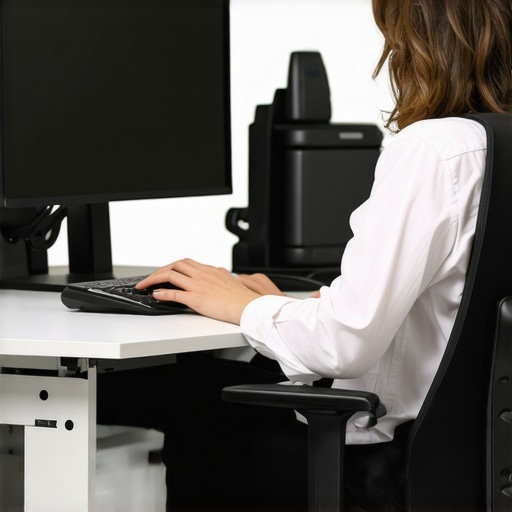
Step 2: Use an external keyboard and mouse to prevent hunching over. This setup is like giving your back a lawn chair—supportive and comfortable helps maintain proper form during prolonged use.
Implement Micro-Movements Throughout the Day
Set a timer every 30 minutes to remind yourself to stand, stretch, or walk. For example, I used a simple alarm on my phone and would do shoulder rolls or gentle neck tilts. These quick moves, similar to oiling a machine, keep your joints mobile and prevent stiffness that worsens poor posture.
Stretch Your Chest and Front Shoulders
Tightness in these areas pulls your shoulders forward, amplifying upper back discomfort. I did the 30-second pec stretch that opens my chest every morning, which felt awkward at first but became part of my routine. Really, it’s like unblocking a valve—allowing easier, more natural movement.
Practice Strengthening Exercises to Reinforce Good Posture
Focus on back muscles, especially the rhomboids and lower traps. A simple move involves squeezing your shoulder blades together while seated. This activates your postural muscles, akin to tightening supports on a building, preventing collapse under daily stress. I incorporated this into my evening routine and noticed less slumping during the day.
Make Small Seating Adjustments
Check your chair height so your feet rest flat on the floor and knees are at 90 degrees. Sit back fully, using lumbar support or a rolled towel, much like creating a cradle for your lower back. This tiny change, tested during a long workday, made a big difference in reducing upper back tension.
Prioritize Movement Before Bed for Better Recovery
End your day with gentle mobility exercises, such as thoracic rotations or cat-cow stretches. I found that doing these before sleep helps relax my upper spine, similar to releasing tension in a stretched rubber band. Regular practice keeps your spine resilient and less prone to pain.
Remember, consistency is key. These steps build upon each other, creating a composite shield against forward head posture and upper back pain. Want to deepen your understanding? Check out Posture Correction Secrets for more tailored strategies.
 Many people believe that regular stretching alone can fix chronic back pain, but in my experience as a posture expert, this is a misconception. The real issue often lies in habitual movement patterns and subtle misalignments that stretching can’t address. For instance, some assume that all chiropractic adjustments are equally effective, yet the nuances in technique can significantly impact outcomes. One common myth is thinking that pain is solely due to tight muscles, when in fact, it often stems from joint misalignments or neuromuscular dysfunctions that require targeted correction.
Why do many adjustment attempts fall short of lasting relief?
This often happens because adjustments are applied without considering the holistic movement patterns and postural habits that caused the misalignment in the first place. Merely cracking a joint provides temporary relief if you don’t address the underlying causes—like poor ergonomic setups or compensatory muscle imbalances. Research from the Journal of Manipulative Physiological Therapeutics emphasizes that combining adjustments with movement re-education yields better, longer-lasting results. Therefore, integrating proper mobility drills and daily postural corrections, as discussed in Posture Correction Secrets, is essential for sustainable improvement.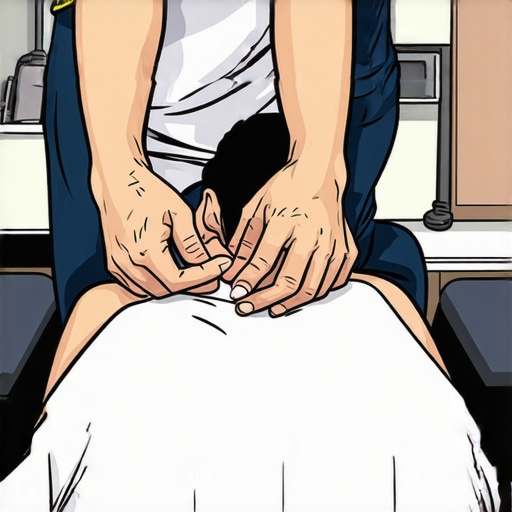
Another pervasive myth involves mobility exercises. People often believe that stretching everything will eliminate tightness, but in reality, over-stretching can weaken stabilizing muscles or even increase injury risk if done improperly. For example, aggressively stretching the hamstrings without considering lumbar or pelvic alignment can exacerbate lower back issues, since tight hamstrings are sometimes a compensatory response—an adaptive strategy rather than the root problem. Instead, focusing on core activation and joint mobility, like in the techniques shared at Master Your Mobility, addresses the root causes more effectively.
Be wary of quick fixes and superficial solutions; lasting change requires understanding the complex interplay between muscle strength, joint health, and neuromuscular control. Are you guilty of chasing temporary relief instead of addressing the core issues? Let me know in the comments and explore further at Effective Posture Tips for 2025.Maintaining good posture and mobility over time requires the right tools and consistent routines. Personally, I rely on specific ergonomic equipment that ensures my workspace supports proper alignment. For example, I use an adjustable monitor arm that elevates my screen to eye level, preventing the forward head posture discussed earlier. This simple yet effective device keeps my neck aligned, reducing strain during long work sessions. Additionally, I incorporate a foam roller with a firm density for my thoracic region, which I use daily to release tension and improve spinal flexibility. The key is choosing equipment tailored to your needs; for instance, I prefer the longer foam rollers over shorter ones to cover larger muscle groups effectively.
For tracking and accountability, I utilize mobility apps like ‘MobilityFlow,’ which guides me through targeted exercises designed to reinforce proper movement patterns. These apps often include reminders and progress tracking, helping me stay consistent—something that’s crucial for long-term results.
Looking ahead, I predict that wearable technology, such as smart posture sensors, will become even more integrated into daily routines. These devices can provide real-time feedback and gentle alerts, making posture correction a seamless part of your day. Incorporating such technology can significantly enhance your results and help embed healthy habits.
**How do I maintain these improvements over time?** The secret lies in combining the right tools with a disciplined routine. Regular check-ins using posture assessment routines—like the ones described in [Posture Correction Secrets](https://chiromasteryz.com/posture-correction-secrets-that-transform-back-pain-outcomes)—ensure you remain aware of your posture and make necessary adjustments. I recommend dedicating a few minutes daily to mobility drills, such as thoracic rotations or shoulder blade squeezes, to reinforce your progress and prevent regression.
For deeper insights into optimizing your setup and routine, explore the comprehensive strategies at [Effective Posture Tips for 2025](https://chiromasteryz.com/unlock-better-back-health-effective-posture-tips-for-2025). Remember, consistency and proper tool selection are your best allies in long-term success. Try integrating a foam roller into your evening routine, focusing on areas that tend to tighten, like your upper back or hips. It’s a small adjustment that can yield huge benefits, especially when combined with precise stretches and posture checks.
The Hardest Lesson I Learned About Posture and Pain Prevention
One of the most profound realizations I had was understanding that lasting spinal health isn’t about quick fixes or isolated stretches but about reshaping daily habits. I used to believe that pain meant stretching more or seeing multiple specialists would solve everything. It wasn’t until I approached my posture through a comprehensive, consistent routine that I saw true change. This taught me that patience, awareness, and targeted movements are crucial—reminders I wish I had embraced sooner.
My Go-To Tools That Cement Long-Term Spine Wellness
Over the years,I’ve accumulated resources that revolutionized my approach. The Posture Correction Secrets guide became my blueprint for understanding how subtle adjustments can lead to significant relief. Using an ergonomic monitor arm, I maintained eye-level screens, drastically reducing neck strain, while regular mobility apps like ‘MobilityFlow’ helped me stay accountable. These tools cemented my commitment and showed me that technology, when used wisely, can be an empowering ally.
Feeling Empowered and Ready to Take Charge of Your Back Health
Remember, real change comes from within and the small, consistent choices we make daily. Incorporating micro-movements, ergonomic adjustments, and mindful routines has transformed my experience. I encourage you to explore your unique habits and adopt a proactive attitude—your spine will thank you for years to come. Don’t wait for pain to warn you—be the vigilant guardian of your posture and mobility now. Want to discuss your progress or specific challenges? Reach out through our contact page and start your journey today. Now it’s your turn: Have you ever noticed a small habit that made a huge difference in your posture? Share below—I love hearing about your personal breakthroughs.