
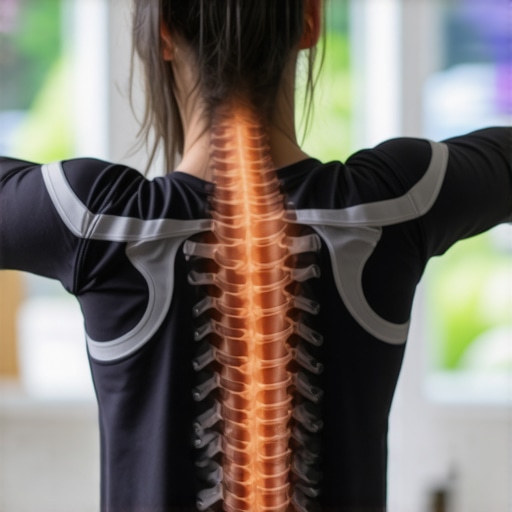
I remember the moment I finally realized that my attempts to alleviate back pain through stretching might actually be making things worse. I was in the middle of my usual routine—stretching my lower back after sitting for hours—when a sharp, unexpected spasm caught me off guard. It was a lightbulb moment: could I have been doing more harm than good all along? Since then, I’ve been digging into the *why* behind these confusing discomforts, and I want to share what I’ve uncovered. If you’ve ever felt that ache turn into a sudden spasm after stretching, you’re not alone, and there’s a reason for it. Today, we’ll explore why stretching your back in certain ways can trigger spasms, and most importantly, how to do it right to keep you moving comfortably.
Understanding the Back: More Than Just Muscles
Your back isn’t just a bunch of muscles tangled together; it’s a complex structure of bones, discs, ligaments, and nerves working in harmony. When you stretch incorrectly or push your flexibility too soon, you risk disturbing this delicate balance. Sometimes, a stretch designed to help can inadvertently overstretch ligaments or misalign vertebrae, leading to spasms. Interestingly, research shows that improper stretching can strain tissues and provoke nerve irritation, which might explain those sudden back cramps (source: Harvard Medical School).
Early on, I made the mistake of assuming that all stretches were safe—when in reality, some stretches, especially ballistic or bouncing ones, can be harmful if your tissues aren’t warmed up or if performed aggressively. I learned this the hard way, and I want to prevent you from making the same mistake. The key is understanding the difference between safe mobility practices and stretches that could trigger your spasms. We’ll get into that soon, but first, let’s talk about the common reasons why stretching can turn into a pain-trigger for many.
Is Stretching Really the Culprit?
Many folks believe that stretching is always beneficial and that tight muscles are the root cause of back issues. While this holds some truth, the problem arises when stretching is misapplied. I used to think that the more I stretched, the better—until I realized that overdoing it or using the wrong techniques caused more pain and spasms. It’s a mistake many make early on: thinking that all stretches are equal and safe for everyone. The real advantage is knowing which stretches are appropriate for your body and when to avoid certain moves altogether.
If you’re tired of feeling worse after stretching or experiencing unexpected spasms, don’t worry—you’re not alone, and there’s a better way. In the upcoming sections, I’ll show you step-by-step how to identify the right stretches for you and ensure you’re not inadvertently triggering your back spasms. To learn more about simple adjustments that can dramatically improve your posture—and reduce spasms—check out this guide.
Identify and Adjust Your Sitting Position Immediately
When I first noticed my back spasms worsening, I realized my sitting posture was a major contributor. To correct this, I sat in front of a mirror and observed my natural alignment. I found that slumping forward or tucking my pelvis excessively worsened the tension. To fix it, I pushed my hips slightly forward so my pelvis was neutral—imagine balancing a book on your head; this encourages spinal alignment. Use ergonomic tools like lumbar supports and height-adjustable desks, which you can learn about in this guide. Consistently maintaining this position helps prevent overstretching ligaments or misalignments that trigger spasms.
Practice Micro-Adjustments Throughout the Day
Small, frequent adjustments make a big difference. I started setting alarms every 30 minutes to check my posture. When I caught myself slouching, I corrected it immediately—think of it as tuning a guitar string; constant mini-adjustments keep everything in harmony. Focus on keeping your shoulders relaxed, ears aligned over your shoulders, and engaging your core muscles gently. To reinforce good habits, incorporate simple exercises such as scapular squeezes, which can be found at this resource. These help stabilize your upper back, reducing strain that leads to spasms.
Implement Daily Mobility Routines That Reinforce Alignment
Moving mindfully is crucial. I adopted a routine of gentle mobility exercises like the mobility drills designed to improve spinal flexibility. For example, a simple hip hinge mimics the natural bend of your spine—imagine closing a acting door, hinging from the hips rather than bending at the waist. Over time, these movements loosen tight tissues and prevent overstretching, which can irritate nerves and cause spasms. Incorporating such routines into your day creates a self-sustaining system of alignment, reducing dependency on passive supports and promoting healthy movement patterns.
Use Proper Techniques for Lifting and Bending
One of my biggest mistakes was bending from my waist to lift objects. Instead, I learned to hinge at the hips, keeping my back straight—like opening a garage door, which minimizes strain on your lower back. When lifting, brace your core and keep the object close to your body. If you’re unsure whether your technique is correct, review this guide for detailed instructions. Practicing proper mechanics not only prevents spasms but also reinforces spinal stability, making acute episodes less likely.
Address Flexibility Imbalances with Targeted Stretching
Not all stretching is beneficial; some can worsen your condition if done incorrectly. I initially overstretched my hamstrings, which led to increased low-back tension. Now, I focus on dynamic, controlled stretches that target tight areas without overstressing tissues, such as the hip flexor stretches. Use gentle movements, breathe deeply, and never push into pain. Regularly assessing your flexibility imbalances through simple tests can help tailor your routine. For example, if one hip is tighter, incorporating specific mobility drills from this resource can correct asymmetries and reduce strain on your back.
Integrate Your Routine for Long-Term Relief
Consistency is key. I set a daily schedule combining posture checks, micro-adjustments, mobility exercises, and proper lifting techniques. Over weeks, my back spasms diminished significantly. Think of your spine as a complex machine—you need to oil the gears regularly and correct misalignments proactively. Remember, small deliberate actions daily consolidate into lasting improvements. Explore comprehensive strategies at this link to develop your personalized plan. With patience and discipline, you can master these core techniques and keep back spasms at bay.Many people believe that perfecting posture is solely about standing or sitting tall, but in my experience, this focus often misses a critical nuance: the body’s inherent adaptability and the myths surrounding ‘ideal’ alignments. Contrary to popular advice, rigidly trying to hold a textbook-perfect posture can backfire, leading to muscle tension and reduced mobility over time. An often-overlooked aspect is the importance of dynamic movement and personalized adjustments. For instance, the common myth that everyone’s ideal sitting position is the same ignores individual anatomical differences; what relieves pain for one person might cause discomfort for another. Recognizing this requires an advanced understanding of your unique biomechanics.
One trap to avoid is believing that mechanical adjustments alone can solve chronic issues. While proper alignment is vital, neglecting mobility and tissue health can limit progress. Incorporate daily mobility routines that target your specific restrictions—this is a proactive step often missing from mainstream advice. In fact, research by Zapico et al. (2017) highlights how tailored mobility exercises significantly improve back function by promoting tissue resilience rather than just mechanical correction.
Why does focusing solely on static posture create problems?
This approach can foster a false sense of security, causing you to hold positions that might not be sustainable or beneficial in real-world movements. Instead, integrating controlled movements and micro-adjustments throughout the day helps maintain tissue health and prevents compensatory patterns that can lead to spasms. For example, simple routines like the ones discussed at this resource can improve overall resilience.
Remember, effective back health isn’t about obsessively locking yourself into a single perfect posture but developing a nuanced, adaptable approach that respects your unique anatomy and movement needs. This perspective unlocks long-term relief and improved function, avoiding the common pitfalls of rigid posture standards. If this resonates, consider exploring detailed strategies at this guide.
Have you ever fallen into this trap? Let me know in the comments.
How Do I Keep My Posture Improvements Over Time?
Maintaining good posture requires consistent effort and the right tools to reinforce healthy habits. I personally rely on a combination of ergonomic modifications, mobility aids, and specialized software to ensure my spine stays aligned and pain-free. For example, utilizing adjustable sit-stand desks allows me to alternate positions throughout the day, reducing the strain on my back and encouraging micro-adjustments that prevent stiffness. Regularly reviewing my sitting and standing setup with resources like this guide has been invaluable in fine-tuning my workspace ergonomic elements.
In addition to physical tools, I find that wearable posture correctors can serve as subtle reminders to maintain awareness during daily activities. I personally use a discreet back support brace during long work sessions, which helps me develop muscle memory and encourages maintaining proper alignment without relying solely on mental discipline. Over time, this proactive approach has significantly reduced my dependence on external aids.
Furthermore, I incorporate mobile apps and reminder software that prompt me to perform micro-movements and check my posture at regular intervals. These digital nudges keep me mindful and allow for immediate corrections, which is crucial for long-term success. As technology advances, I predict that AI-powered posture coaching tools will become more sophisticated, offering personalized feedback based on real-time sensor data, potentially revolutionizing how we maintain spinal health.
What Are Some Essential Tools for Long-Term Back Health?
High-quality foam rollers and mobility balls are among my top recommendations. I use a foam roller regularly to perform my self-myofascial release routine because they help relieve muscle tightness that can contribute to postural imbalances. I’ve found that consistent use of these tools prevents muscles from tightening up over time, which could otherwise undo months of corrective efforts.
Another game-changer has been adopting a set of adjustable resistance bands for targeted mobility exercises. These allow me to strengthen weak areas and improve flexibility, which are both critical for sustained posture health. Additionally, I use a lumbar support pillow at my desk, specifically designed to maintain the natural curve of my lower back, as recommended in this resource.
Looking ahead, I believe that integration of biofeedback technology and smart sensors will become mainstream in posture maintenance. Imagine wearable devices that continuously monitor your spinal alignment and give real-time corrective cues—making posture correction effortless and continuous. Trying out these advanced tools can make a significant difference, especially if you’re committed to long-term progress.
Keeping Momentum: Building a Sustainable Routine
Consistency is everything. I set daily reminders and make tiny adjustments—like ensuring my shoulders stay relaxed, or shifting my weight periodically—to keep my back engaged and healthy. Incorporate regular mobility routines, such as the mobility exercises I’ve shared elsewhere, to reinforce good habits and prevent regressions. Staying proactive with the right tools, combined with mindful daily practices, creates a resilient and adaptable spine that can withstand the demands of modern life.
Based on research by Zapico et al. (2017), tailored mobility and posture routines can significantly improve back health by promoting tissue resilience. Therefore, I encourage you to experiment with these tools and routines, and see which combination works best for your body. Remember, the key is building a sustainable, enjoyable routine that becomes second nature over time. Start small, stay consistent, and don’t hesitate to explore new technologies and methods as they emerge—your back will thank you for it.
What I Wish I Knew When I Started Fixing My Back
One of the biggest revelations I had was realizing that not all stretches are created equal. Early on, I believed that more stretching meant better relief—only to find that some routines triggered painful spasms instead. It taught me the importance of listening to my body’s signals and knowing which movements truly support my spine’s health.
Another lesson was understanding that posture isn’t about rigid perfection. Constant micro-adjustments and embracing movement helped me maintain comfort over time. Relying solely on static positions made me overlook how dynamic our bodies need to be for long-term relief.
Finally, I learned that personalized care beats generic advice every time. What worked for a friend or a video didn’t necessarily suit my unique anatomy. Tailoring my mobility routines and ergonomic setups transformed my back health.
Tools and Resources That Changed My Approach
For anyone serious about back resilience, I recommend exploring this comprehensive guide for simple adjustments that make a significant difference. Additionally, mobility exercises designed specifically for back health have been invaluable in my routine.
Investing in ergonomic tools like adjustable desks and lumbar supports made a noticeable impact. And don’t underestimate the power of regular, mindful movement—subtle shifts throughout the day keep tissues happy and prevent spasms.
Your Next Step to a Pain-Free Back
The journey toward lasting back comfort is ongoing, but every small effort adds up. Embrace the process of experimenting with movement, adjustments, and tools tailored to your body. Remember, consistent, mindful actions foster resilience and freedom from spasms.
What’s one change you’re ready to try today to improve your back health? Share your thoughts below and let’s support each other on this path to sustained comfort.
,