

I remember the exact moment I realized I’d been ignoring my back for far too long. Sitting at my desk, feeling that dull ache creeping up my neck and spreading down my shoulders, I thought, “It’ll go away—probably just a bad posture day.” But weeks went by, and the discomfort lingered. It wasn’t until one morning, after waking up stiff and sore with no specific incident, that I had my lightbulb moment: I needed to check my spine—*even if nothing hurts now.*
Don’t Wait for Pain to Catch Up with You
I’ve learned through personal experience—and from working with many clients—that pain is often the last sign something’s wrong. Your body can hide issues, compensating in ways you’re oblivious to until a small problem snowballs into something more serious. This is why regular spinal checkups are crucial—they help catch imbalances or misalignments before they develop into injuries.
So, today, we’ll dive into why a simple checkup might be the most proactive step you can take for your health. I’ll show you how to spot hidden signs of spinal issues and why addressing them early can save you discomfort—and even medical costs down the line.
Busting the Biggest Skepticism: Is a Checkup Really Necessary If I Feel Fine?
Let me admit—I used to think the same. Why bother getting checked if I wasn’t feeling anything? That was a mistake. Early in my journey, I ignored minor tweaks in my posture, thinking they weren’t serious. That mistake cost me a few weeks of avoidable discomfort and a lesson learned the hard way.
Research supports the idea that preventive care, especially chiropractic adjustments or spinal evaluations, can significantly reduce the risk of future injuries [source: National Institutes of Health](https://www.nih.gov). Recognizing problems before pain manifests is a game-changer—and a wise choice.
If you’re like I was, questioning whether a checkup is worthwhile when you feel fine—trust me, you’re not alone. But your body’s signals aren’t the only reason to pay attention. Sometimes, small misalignments are like loose screws—they don’t immediately cause a problem but can lead to major breakdowns over time.
And that’s what I want to help you understand today. If this sounds familiar—if you’ve felt stiffness, minor aches, or just a nagging sense that your back isn’t quite right—then stay with me. We’re about to unlock simple, effective strategies to keep your spine healthy and prevent issues before they start.
Master Your Daily Posture Habits
Think of your spine as a vital bridge; maintaining its integrity requires consistent, mindful adjustments. Start by consciously relaxing your shoulders and pulling your chin back slightly when sitting. For instance, during a typical workday, I paused often to reset my posture, which initially looked messy but gradually became second nature. Incorporate small reminders, like sticky notes or alarms, to check your alignment regularly. Check out this guide on daily adjustments to keep your back in shape.
Comfortable Sitting Positions
Use an ergonomic chair or improvise with cushions to support your lower back. Sit with your feet flat on the floor, knees at a 90-degree angle, and hips slightly higher than knees. When I first adopted these positions, it felt awkward, but over a week, my back soreness diminished. Remember, avoiding slouching is critical—think of your spine as a stack of blocks; each needs to be aligned perfectly. Learn how to optimize your sitting for lasting relief.
Introduce Micro-Movements Throughout Your Day
Sitting all day is like leaving a sponge compressed—your tissues need movement to stay healthy. Incorporate short breaks for micro-movements; stand, stretch, or walk for two minutes every 30 minutes. I found that doing gentle twists and neck rolls—akin to wringing out a wet cloth—helped keep my spine flexible. This principle is backed by mobility exercises that promote better circulation and prevent stiffness. When I started doing these, I noticed less tension and more energy.
Strengthen Your Core for Daily Support
Think of your core as the central pillar holding up your house; a weak one makes everything tilt. Engage in simple exercises like planks or dead bugs, which stabilize your lumbar spine. My first attempt at a plank wobbled like a leaning tower, but consistent practice built a sturdy foundation. Earn the benefits from core strengthening techniques designed for back health. Remember, a strong core reduces strain on your back during everyday activities.
Adjust Your Environment for Postural Success
Small changes make a big difference—like elevating your monitor to eye level or using a standing desk. Think of your workspace as a strategic base camp; optimizing its setup supports your spine during long hours. Once I raised my monitor and adjusted my keyboard position, my neck tension eased noticeably. Understanding how to setup your workspace properly can transform your daily comfort. Keep experimenting until your environment nurtures your back instead of harming it.When it comes to managing back pain and improving posture, many assume that simple adjustments or exercises are a one-size-fits-all solution. However, beneath the surface lies a web of nuances and misconceptions that can sabotage your efforts if not understood correctly. Let’s explore some advanced insights that often go unnoticed, helping you refine your approach and avoid common pitfalls.
Why Believing One Adjustment Fixes Everything Can Backfire
Many people think that a single chiropractic adjustment or posture correction session will permanently resolve their issues. While these interventions are powerful, they aren’t magic cures. The body adapts over time, and misalignments often stem from habitual patterns, muscle imbalances, or environmental factors. Relying solely on occasional adjustments without addressing underlying habits can lead to a cyclical pattern of relief and recurrence. For instance, if you neglect daily posture habits, even the best adjustments will have limited long-term impact. Regular, informed practices—like those outlined in posture correction strategies—are essential for sustainable results.
Beware the Trap of Over-Stretching and Over-Mobilizing
It’s common to believe that more stretching or mobility exercises automatically lead to better outcomes. However, overdoing it can sometimes be detrimental, especially if you’re compensating for deeper misalignments or muscle weaknesses. Aggressive stretching without proper assessment might loosen tissues that need strengthening or support. In fact, unnecessary stretching might exacerbate disc issues or joint instability. A nuanced approach involves targeted mobility work combined with strengthening, as advocated in mobility mastery techniques. Recognizing which areas require stabilization rather than stretch is a subtle but critical step.
How Do Spinal Subtle Shifts Influence Pain Perception?
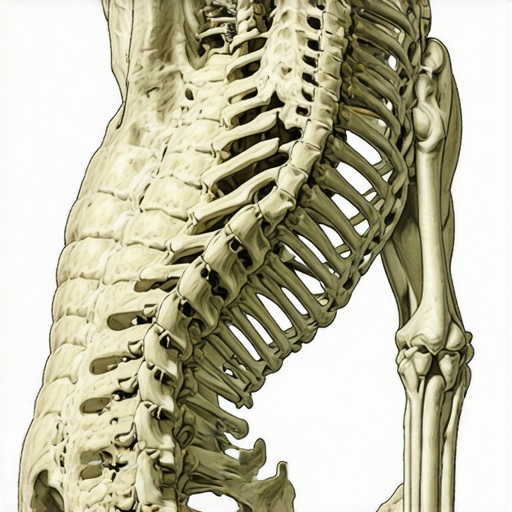
Advanced practitioners understand that minor misalignments can significantly impact nerve function and muscular coordination, often without producing immediate pain. These subtle shifts may alter biomechanical efficiency or create asymmetrical load distributions, gradually leading to discomfort or injury. For example, a slight pelvic tilt—hardly noticeable—can cause chronic neck tension or headaches over time. External experts like Dr. Adam Ozer emphasize that addressing these micro-variations early can prevent costly interventions later. Regular evaluations and personalized adjustments are vital, especially if you’ve tried generic routines without lasting results. You might find value in specialized chiropractic care tailored to subtle misalignments.
Have you ever fallen into this trap? Let me know in the comments. Recognizing these advanced nuances can be the difference between temporary relief and lifelong spinal health. Remember, customization and mindful awareness underpin effective posture and pain management—so stay curious and proactive.Maintaining a healthy spine requires more than just occasional stretching or posture fixes—it involves using the right tools and adopting consistent routines that support your body’s natural biomechanics. Personally, I rely heavily on specific equipment and software to ensure my daily habits promote long-term spinal health.
Investing in Quality Ergonomics and Support Devices
One of my top recommendations is a high-quality ergonomic chair that promotes proper lumbar support. I personally use the standing desk setup guide to customize my workspace, reducing strain and encouraging active postures throughout the day. Additionally, a lumbar roll or cushion can be a game-changer, especially when working for extended periods. These tools help maintain the natural curve of your lower back, preventing slouching that often leads to pain over time.
Utilizing Movement and Mobility Apps
To keep mobility at the forefront, I incorporate specialized apps like [Mobility Mastery](https://chiromasteryz.com/mobility-mastery-simple-exercises-to-relieve-chronic-back-pain), which guide me through targeted exercises designed to improve flexibility and spinal stability. These programs are rooted in evidence-based practices and help identify specific areas where I need to focus, making my routines more effective and personalized.
Regular Self-Check and Adjustment Routines
Beyond equipment, consistent self-assessment plays a vital role. I schedule weekly routines using daily adjustment techniques to realign my posture and support my spine’s health. Incorporating simple movements like wall slides or pelvic tilts ensures I catch misalignments early and correct them before they turn problematic. Recognizing that micro-movements throughout the day, as outlined in posture improvement tips, greatly enhance spinal resilience helps me stay proactive.
Future Trends: Smart Technologies and AI Assistance
This area is rapidly advancing. Bracelets or smart sensors that monitor posture and provide real-time feedback are becoming more accessible, offering a proactive approach to spinal health. Devices like posture correction wearables utilize AI to analyze your habits and suggest adjustments, as seen in recent innovations documented by industry leaders. They promise a future where maintaining proper alignment becomes seamlessly integrated into daily life, reducing the risk of chronic issues.
How Do I Maintain My Back Over Time?
Consistency is key. Regularly updating your routines, staying aware of new tools, and seeking professional evaluations when needed help safeguard your spine. Don’t overlook the importance of proper environment setup—elevating your monitor or adjusting your desk height can make a significant difference, as emphasized in posture optimization guides. My advice is to pick one of these tools—be it an app, ergonomic device, or habit—and commit to it for a month. You’ll be surprised at how quickly your posture and comfort improve. Remember, investing in your spinal health now will save decades of discomfort and medical bills later. So, start experimenting with one new adjustment today and notice the difference.
Over my years of focusing on spinal wellness, I’ve unearthed some truths that aren’t common knowledge but can transform your approach to back health. One key insight was realizing that progress often hinges on subtle shifts—tiny habits or perceptions—that, once adopted, yield outsized benefits.
For example, I used to believe that intense stretching sessions were the main solution. It wasn’t until I discovered the importance of consistent micro-movements and proper environment adjustments that I started seeing real change. Small, deliberate tweaks to my workspace and daily routines became game changers.
Another lesson was understanding the body’s incredible ability to compensate. That dull ache I ignored turned out to be a sign of deeper misalignments, which, if caught early, can be corrected before they evolve into chronic pain. It’s a reminder to all of us: don’t wait for pain to guide your actions—proactive care is vital.
Finally, I learned that integrating technology, like posture monitoring apps and ergonomic tools, not only aids posture but also instills awareness. Knowledge is empowering, but action cements change. These lessons have reshaped my strategy—one based on subtlety, consistency, and embracing new tools—and they’ve made my back stronger and pain-free.