

It was one of those days I vividly remember—sitting on my couch, legs crossed, scrolling through my phone. Suddenly, I felt a sharp twinge in my lower back. For a moment, I thought it was just a muscle strain. Little did I realize, this small habit was silently fueling months of discomfort. That lightbulb moment made me realize the importance of paying attention to how I sit and move daily.
The Hidden Dangers of Crossing Your Legs
Many of us cross our legs without a second thought—perhaps during meetings, while watching TV, or even while working at our desks. But what if I told you that this common posture could be contributing to persistent back pain, hip misalignment, and disrupted circulation? It’s true. I used to overlook this habit, dismissing any complaints as temporary annoyances. However, after doing some digging, I discovered that crossing your legs regularly can lead to uneven hips, increased pressure on your nerves, and other postural issues.
Is Crossing Your Legs Really That Bad?
Initially, I thought crossing my legs was a harmless way to relax. Who wouldn’t prefer that casual, relaxed position, right? But I soon learned that it’s a mistake many make early on—ignoring how such small habits can snowball into chronic problems. In fact, studies show that habitual crossing of the legs can cause pelvic tilts and exacerbate issues like sciatica or lower back pain (source). That realization prompted me to re-evaluate my posture habits and seek better ways to support my spinal health.
Taking this habit seriously turned out to be a game-changer. If you’re like I was—assuming crossing your legs here and there isn’t an issue—think again. It’s a small change in how you sit that could spare you from longer-term discomfort.
So, do you find yourself crossing your legs often during work or leisure? If yes, you’re not alone. But you’re also in the right place to learn why breaking this habit is crucial for your back health and how to do it effectively. Up next, I’ll share practical steps that helped me on this journey—and can help you too—starting with simple adjustments and mindful habits to promote better mobility and posture.
Start with Awareness and Reset Your Sitting Habits
First, recognize when you’re crossing your legs. I caught myself doing it during a work call, and it was an instant eye-opener. setting a timer on your phone or computer to remind you every 15-20 minutes helps build awareness. When the alert sounds, shift your feet flat on the ground, ensuring your hips and knees are at right angles. This simple reset prevents the habit from becoming automatic and helps realign your pelvis.
Incorporate Micro-Movements for Better Mobility
Foot Positioning That Supports Back Health
Imagine your pelvis as a boat on water—steady, upright, balanced. Micro-movements, like rocking your feet gently side to side or rolling your ankles, can help maintain this balance. Practice this during your work to keep circulation flowing and prevent stiffness. I started doing this while reviewing emails, and over time, I noticed less tension in my hips and lower back.
Use Chair Adjustments as Your Foundation
Adjust your chair height so your feet rest comfortably on the ground. Your thighs should be parallel to the floor, reducing strain on your hips and pelvis. This adjustment acts like the keel of a ship, providing stability. I once overlooked this and developed lower back soreness; a simple change made a visible difference in comfort and posture.
Strengthen and Stretch Key Muscle Groups
Strengthening your core stabilizes your pelvis. Exercises like planks or bird-dogs engage deep abdominal muscles and low back muscles, supporting correct alignment. Complement this with stretches targeting the hip flexors and piriformis, which often tighten from crossing habits. For example, a simple hip flexor stretch—kneeling with one foot forward—relieves tension and promotes better posture. I included these routines in my daily morning, which reduced my back discomfort within weeks.
Create a Posture-Friendly Environment
Position your monitor at eye level and keep your keyboard and mouse close to prevent leaning forward. Think of your workstation as a command center—every element should support a neutral spine. Once I adjusted my desk setup following tips from this guide, I experienced less neck strain and more natural sitting positions.
Practice Mindful Movement Throughout the Day
Set intentional reminders to stand, stretch, and reset your posture every 30 minutes. Incorporate movements like shoulder rolls, spinal twists, or gentle back bends. I attempted a quick series during short breaks and felt my spine loosen, reducing overall stiffness. These micro-breaks act like tune-ups for your body, keeping you aligned and moving freely.
Track Progress and Adjust as Needed
Maintain a journal or use an app to monitor your habits and comfort levels. Notice patterns—perhaps you cross your legs during stressful moments, and awareness helps you choose better alternatives. Over time, small repeated adjustments foster lasting change, leading to healthier sitting habits and reduced back pain. Applying these steps transformed my daily routine from one of discomfort to a more balanced and mindful practice.Many well-intentioned advice on back health and posture often miss the mark because they oversimplify complex biomechanical realities. A common misconception is that stretching alone can fix deep-seated issues; in reality, without addressing muscle imbalances and joint stability, stretches may only offer temporary relief or even cause additional strain. For instance, focusing solely on hamstring flexibility ignores underlying hip and pelvis dynamics that influence your back. Efficient mobility isn’t just about loosening tight muscles; it’s about restoring coordinated movement patterns and joint stability, which requires targeted strengthening and neuromuscular training. Visual aids like detailed diagrams or specific movement tutorials can enhance understanding, so consider integrating such visuals into your routine—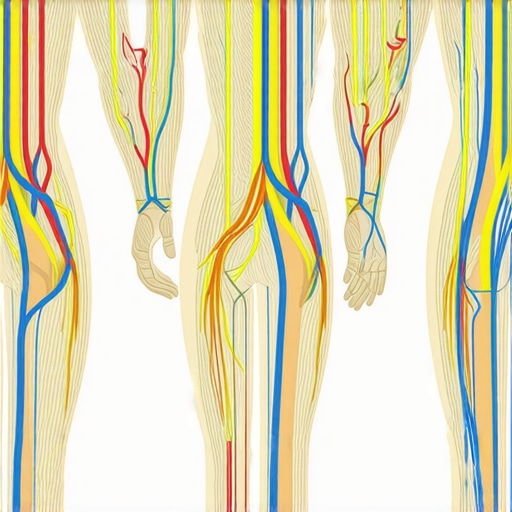 .
.
A crucial mistake many make is subscribing to the myth that pain is always directly proportional to injury severity. Chronic back pain can persist long after tissue healing, often due to faulty movement habits, poor motor control, or neurological sensitization. Addressing this involves more than manual therapy or passive interventions; it demands active reeducation of movement patterns—something that requires precision, consistency, and sometimes professional guidance. This concept is supported by research indicating that motor control exercises outperform passive treatments in long-term pain management (see here for practical tips).
What most don’t realize is the importance of subtle joint micro-movements in maintaining spinal health. Small, often unnoticed adjustments—like gentle, controlled movements of the thoracic spine or ankle—to keep joints lubricated and neuromuscular feedback sharp can prevent stiffness and degeneration over time. Neglecting these nuanced practices can lead to a vicious cycle of stiffness that worsens posture and pain. Incorporate daily mobility drills explained in this guide to stay ahead.
Advanced question: How does proprioception influence long-term back health, and what exercises can optimize this sense for better posture? Proprioception—the body’s awareness of joint position—is critical for automatic postural adjustments and injury prevention. Declines in proprioceptive acuity often precede or accompany chronic back issues. Enhancing sensory feedback through balance training and stabilization exercises can significantly improve postural control. A recent study highlights that proprioceptive training results in measurable improvements in spinal alignment and reduced pain levels (more info here). Remember, understanding and integrating these nuanced insights can transform your approach from reactive to proactive. Have you ever fallen into this trap? Let me know in the comments.
Keeping It Working with Precision Tools and Methods
Maintaining optimal back health and mobility over the long term requires more than just good habits; it demands the right set of tools and consistently applied methods. Personally, I rely on a combination of ergonomic equipment, targeted mobility devices, and software reminders that keep my posture and movement patterns in check. These tools not only assist with immediate relief but also promote lasting adjustments that prevent future discomfort.
Why I Trust the Sit-Stand Desk for Long-Term Posture Support
Switching between sitting and standing throughout the day is vital. My preferred workstation includes an adjustable sit-stand desk, which allows me to alter my position regularly. This flexibility helps counteract the detrimental effects of prolonged static postures and encourages active movement. Incorporating this into your routine can make a significant difference, especially when combined with periodic micro-movements like ankle rolls or torso twists, as discussed here.
Why I Use a Foam Roller for Deep Tissue Release
Foam rolling has become my go-to technique for alleviating muscle knots and enhancing tissue pliability. I particularly focus on my thoracic spine and hips, which are prone to tightness from poor posture habits. Regular foam rolling, especially before stretching routines, facilitates better joint mobility and eases transition into more advanced mobility drills. For detailed guidance, check out this resource.
Digital Tools to Track and Reinforce Progress
In addition to physical equipment, I incorporate apps that prompt me to maintain proper posture and movement patterns. These reminder systems, like posture monitoring apps or timers, serve as accountability partners. By tracking my daily adherence to movement routines and posture adjustments, I gain insight into patterns that need correction. Over time, this fosters sustainable habits, making mobility interventions ‘stick.’ Future advancements suggest integrating AI-driven posture analysis, which could personalize and optimize long-term back health strategies even further.
What About Professional Assessments?
While DIY tools are excellent for daily maintenance, periodic check-ins with a chiropractor or physical therapist can identify subtle misalignments or muscle imbalances that software or self-assessment might miss. Combining professional guidance with your personal toolkit ensures you stay on the path to optimal movement health. To explore how to sustain your progress, visit this article.
Looking Ahead: The Future of Mobility and Back Care
Emerging technologies, such as virtual reality-guided exercises and biofeedback systems, promise even more precise tools for maintaining back health. I predict a future where personalized, real-time posture correction will become standard practice, integrating seamlessly into our daily routines. Until then, combining ergonomic equipment like adjustable desks, mobility aids like foam rollers, and digital reminders offers a practical approach to lasting health.
How Do I Maintain These Tools Long-term?
Consistency is key. Schedule regular sessions with your mobility tools, stay proactive with postural adjustments, and keep an open mind to new technologies as they emerge. Incorporate these practices into your daily routine, and you’ll find maintaining your back health becomes less of a chore and more of a lifestyle choice. Remember, small, sustained efforts lead to significant, lasting results. Ready to give one of these tools a try? Start with a foam roller targeting your hips and thoracic spine today—your back will thank you.
Throughout my journey with back health, I discovered that some of the most impactful lessons come not from textbooks but from personal trial, error, and reflection. These insights have reshaped how I approach posture, mobility, and pain management, offering you a unique perspective that goes beyond generic advice.
3 Lessons That Changed My Approach to Back Freedom
- Small Habits Matter More Than I Thought: Crossing my legs casually was a minor habit that silently contributed to discomfort. Recognizing and correcting these tiny actions proved more effective than major interventions.
- Consistency Outweighs Intensity: Regular micro-movements, like ankle rolls or posture resets, accumulated into significant long-term relief—proving slow, steady progress is king.
- Mindful Environment Shapes Posture: Ergonomic adjustments and dedicated tools subtly reinforced better habits, making healthy posture effortless rather than burdensome.
Tools That Still Change My Daily Routine
- Adjustable Sit-Stand Desk: Flexibility in positioning keeps me active and counters stiffness, a must-have for anyone serious about back health.
- Foam Roller: Targeting my hips and thoracic spine, it dissolved muscle knots and enhanced my mobility, reminding me that tissue health is foundational.
- Posture Monitoring Apps: Digital reminders reinforce good habits and keep me honest—technology as a silent coach.
- Periodic Professional Check-ins: Expert assessments helped identify subtle misalignments and personalized my routine, illustrating that professional guidance is invaluable even for regular exercisers.
Your Next Step Starts Today
Remember, transforming your back health isn’t about drastic overhauls but consistent, mindful shifts. Incorporate these personal insights and trusted tools into your routine, and watch how small changes lead to lasting comfort and mobility. The key is taking that first step now—your future self will thank you.
What’s one small habit you’re willing to adjust starting today? Share your thoughts below—I’d love to hear your story.