
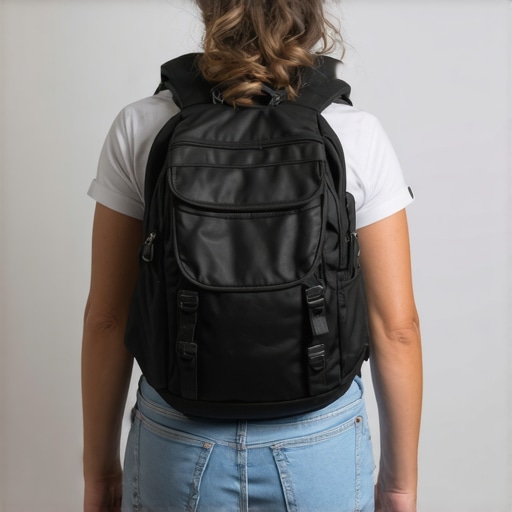
One morning, I nearly doubled over after lugging my overloaded backpack through a busy city street. The sharp, shooting pain in my lower back caught me off guard—it was as if my spine had whispered, “Enough!”. That lightbulb moment made me realize how something as simple as a backpack, which I trusted to carry my essentials, was quietly sabotaging my back health. If you’ve ever felt that gnawing discomfort after a long day of carrying your bag, you’re not alone. Many of us underestimate how much our everyday habits, like backpack use, can contribute to chronic lower back spasms.
Understanding the Connection Between Your Backpack and Back Pain
Our backpacks are meant to be functional, but when filled with heavy items and worn improperly, they can turn into a load that causes real harm. The truth is, carrying a heavy backpack shifts your posture, forcing your spine into unnatural positions. Over time, this misalignment adds stress to your lumbar region, leading to those awful spasms that can ruin your day—or week. In fact, studies reveal that improper backpack use can significantly increase pressure on the lower back muscles, sometimes resulting in chronic pain conditions.
Early on, I made the mistake of loading my bag with everything I thought I might need, then slinging it over one shoulder. That imbalance was a recipe for disaster. Now, I make sure my backpack has well-padded straps, distributes weight evenly, and that I switch shoulders periodically. Small adjustments like these can make a huge difference in preventing discomfort and injury. Want to learn more about how to fine-tune your posture? Check out posture correction secrets.
Is Your Backpack Really Worth the Hype?
It’s natural to think: I need my bag, so what’s the big deal? Well, I once ignored the signs of overloading, thinking it was just the price of being prepared. But delaying action only worsened my back spasms. If you’re skeptical about whether your backpack is to blame, consider how often you experience tightness, aches, or sudden pain after daily use. Sometimes, the simple act of adjusting how you carry your load can save you from persistent discomfort. To get real relief, it’s essential to understand what causes the issue and how to correct it effectively.
So, are you facing similar struggles? Let’s explore practical adjustments that can prevent your backpack from turning into a back pain culprit. Because, honestly, your back deserves better—don’t you think?
,
Reassess Your Load Balance
Start by checking how much weight you carry. Remove unnecessary items, aiming for a load that’s about 10-15% of your body weight. When I recently weighed my pack, I was surprised—it was nearly 20%! I immediately pared down my essentials, which made a noticeable difference in comfort over the next few days.
Choose the Right Backpack and Adjust It Properly
Invest in a backpack with padded straps and a padded back panel. When I switched to one with better padding and adjusted the straps so that the bag sat snugly against my back, I felt a immediate reduction in strain. Make sure the pack’s bottom rests in the curve of your lower back, and the shoulder straps are tight enough to prevent the bag from swinging.
How to Adjust Your Backpack for Optimal Support
Loosen the straps, load your pack, then tighten straps gradually, starting with the shoulder straps to keep the pack close to your back. Use the sternum strap to stabilize and prevent side-to-side movement. A loosely worn pack shifts your center of gravity, increasing spinal stress. Take a moment to walk around after adjustments; the pack should feel firm but comfortable.
Limit the Frequency of Shoulder Switching
Switch shoulders regularly to prevent fatigue on one side. During a walk, shift the bag to alternate sides every 15 minutes. I remember when I kept the bag on my right shoulder all day; my neck and lower back started complaining. Changing sides distributes the load more evenly and alleviates muscle tension.
Incorporate Posture-Friendly Habits
Practice standing tall with shoulders back when not carrying your backpack, and keep your core engaged. When I consciously improved my standing posture, I noticed less back discomfort, even after long walks. Using internal cues to remind myself to maintain good posture significantly reduces spinal strain.
Use Additional Support When Needed
If your back muscles feel sore or fatigued, consider using a lumbar pillow or support device inside the backpack. I once used a small lumbar roll during a hike, which helped maintain proper lumbar curve and minimized pressure. Supporting your lower back reduces the risk of spasms and chronic pain from prolonged improper loading.
Stay Active and Stretch Regularly
Engage in mobility exercises that strengthen your back and core. Simple stretches, like the cat-cow pose or pelvic tilts, help keep your spine flexible and resilient. I schedule short stretching sessions after days of intense walking, which helps prevent stiffness and keeps my back in healthier condition.
Need more targeted mobility tips? Check out top mobility strategies to keep moving pain-free.
Maintain Regular Check-Ups
Consult a healthcare professional if persistent discomfort occurs despite these adjustments. Regular assessments can identify underlying issues before they become chronic. I visited a chiropractor after noticing ongoing tension, which led to tailored advice that improved my daily posture.
Remember, small, consistent modifications can prevent long-term damage. Pay attention to how your back responds to load and posture, and adapt your habits accordingly.
,While popular advice often emphasizes maintaining a neutral spine and stretching regularly, many people overlook the nuanced reality behind posture and back health. A common misconception is that correct posture is a static stance, but in truth, it’s a dynamic process that involves continuous self-awareness and adaptation. Overemphasizing strict alignment can lead to rigidity, which may increase muscle tension rather than alleviate it. Experts highlight that mobility, not just static positioning, is crucial for healthy spines; neglecting this can cause stiffness and even nerve impingement. For instance, some believe that avoiding all slouching will prevent pain, yet research shows that gentle movement and occasional variation in posture help keep soft tissues healthy and promote circulation. An advanced mistake many make is focusing solely on strengthening back muscles without addressing connective tissue flexibility or joint mobility, which are equally important. According to Dr. Stuart McGill, a renowned spine researcher, overlooking tissue extensibility can result in persistent discomfort despite strong muscles. |
One specific trap to avoid is equating pain with poor posture alone. Pain can stem from complex interactions between muscle imbalances, joint restrictions, and neural factors, not merely misaligned positions. Focusing solely on alignment ignores the importance of mobility and tissue health. For example, restricted rib cage movement or tight hips can influence spinal stress independent of traditional posture markers. Incorporating nuanced movement patterns and tissue release techniques can significantly improve outcomes. Moreover, it’s vital to recognize that habitual postures, even if seemingly ‘correct,’ can cause microtrauma if sustained for too long. Therefore, the key lies in balancing stability with mobility, adapting postures during prolonged activities, and listening to your body’s feedback. For advanced strategies, consider following expert protocols that integrate mobility mastery and dynamic adjustments, rather than static correction alone. Remember, the goal is to foster resilience and adaptability within your musculoskeletal system, not just to hold a perfect posture. Have you ever fallen into this trap? Let me know in the comments.
Keeping Your Back Moving: Tools I Trust for Long-Term Success
Maintaining optimal back health isn’t a one-time effort; it’s an ongoing process that benefits greatly from the right tools and methods. Over the years, I’ve found that specific equipment and consistent practices can make the difference between temporary relief and lasting wellness. One essential tool I rely on is a high-quality foam roller. Unlike budget alternatives, my preferred foam roller features a dense, firm surface that allows me to target deep tissue knots without losing shape. Regularly using it on my thoracic area and hips helps maintain flexibility and prevents stiffness that can lead to back pain.
In addition to manual tools, I incorporate mobility software designed to identify movement deficiencies and suggest tailored exercises. For instance, I use mobility strategies that emphasize dynamic stretches, ensuring I stay adaptable as I age. These platforms often include video demonstrations which I find invaluable for perfecting technique and ensuring I don’t develop bad habits that could undermine my progress.
My daily routine also involves utilizing a lumbar support brace during longer periods of sitting. Unlike generic models, my support has adjustable tension and contoured design, allowing me to tailor the fit based on my activities. This personalized approach, coupled with periodic posture checks, keeps my lumbar region engaged and minimizes strain accumulation. Remember, an image illustrating proper lumbar support positioning can be a game-changer; it helps solidify the correct habits.
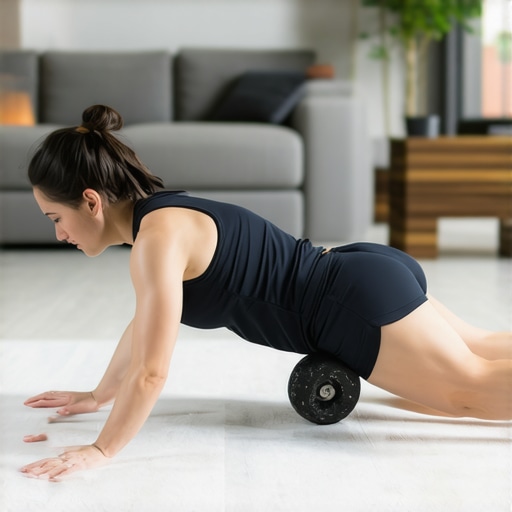
Beyond physical equipment, I leverage software that tracks my mobility gains over time. Apps that log exercises and provide feedback enable me to see progress and identify areas needing more attention. Looking ahead, the integration of biofeedback devices with real-time posture correction signals is anticipated to revolutionize how we maintain spinal health—making continuous, effortless correction a part of daily life.
How do I keep my mobility tools effective over the long haul?
Consistency is key. I schedule weekly sessions dedicated to foam rolling and mobility drills, ensuring these practices become habit. Additionally, I rotate tools seasonally—switching between different types of rollers, stretch bands, or supportive devices to challenge my tissue and joint adaptability. Regularly updating my software and following expert advice keeps my routines aligned with the latest science, preventing stagnation and plateaus. This approach echoes what Dr. Stuart McGill emphasizes about tissue extensibility being vital for spine health; neglecting it can lead to persistent discomfort despite strength gains. For a deeper dive into maintaining your tools and techniques, explore mobility mastery strategies.
Embracing these methods transforms my daily maintenance into a sustainable, enjoyable practice. If you’re ready to elevate your back health routine, I recommend trying a combination of my favorite foam roller and mobility app for a test run this week. You may be surprised at how much these small investments pay off in pain reduction and flexibility gains.
Lessons That Changed My Perspective on Back Care
- Why My Fixation on Correct Posture Occasionally Backfired: I used to believe holding a perfect neutral spine was the ultimate goal, but I learned that constant rigidity can actually increase muscle tension. Embracing gentle movement and variation proved far more beneficial for my spine’s resilience.
- Overloading Is a Slow Poison: Carrying a backpack over 20% of my body weight seemed harmless at first. It wasn’t until persistent spasms hit that I realized how subtle overloads accumulate, reinforcing the importance of mindful load management.
- The Myth of Static Posture as the Gold Standard: I discovered that posture isn’t a static position but a dynamic process. Regularly shifting and adjusting my stance prevented stiff tissues and improved circulation, keeping my back healthier longer.
- Flexibility Matters as Much as Strength: Building big back muscles without addressing connective tissue flexibility led to stubborn discomfort. Integrating mobility strategies from experts like top mobility strategies made a noticeable difference.
- Universal Fixes Are a Myth: What works for one person may not work for another. Personalized adjustments—like choosing supportive bags and daily stretches—were key in my recovery, emphasizing the value of tailored solutions.
Forge Your Path with Trusted Tools and Resources
- Foam Rollers that Reach Deep: My dense foam roller has been instrumental in releasing tight muscles, especially in my thoracic and hip areas. Investing in quality equipment pays off in long-term back health.
- Mobility Apps That Keep Me Accountable: Digital platforms like mobility strategies help me track progress and tailor exercises. They make staying consistent easier and more engaging.
- Supportive Equipment with a Personal Touch: An adjustable lumbar support brace customized to my needs prevents strain during lengthy sitting periods. Using proper positioning guides, like those in effective posture tips, optimizes the benefits.
- Expert Guidance for Sustained Gains: Regular consultations with a chiropractor, informed by mobility mastery, reinforce my habits and help me address underlying issues proactively.
Seize the Moment and Reclaim Your Back Confidence
Taking charge of your back health is an ongoing, empowering journey. Remember, small, mindful changes—like adjusting your load, choosing supportive gear, and integrating mobility routines—can yield transformative results. Your back deserves this attentiveness, and with dedication, you can enjoy a future free of nagging spasms and discomfort. Are you ready to implement these insights into your daily life? Your back’s resilience starts today—don’t wait for pain to become a habit.