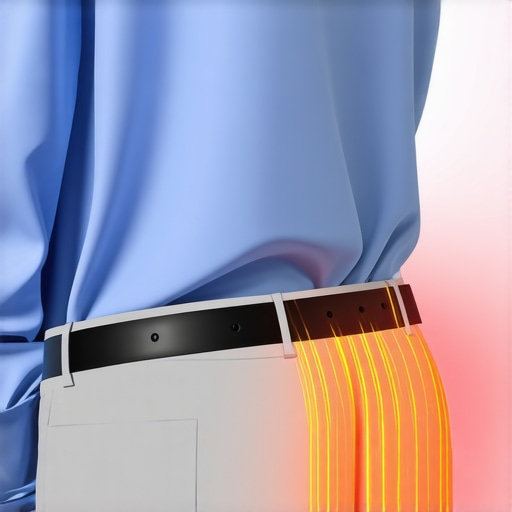
I remember the exact moment I realized my belt might be the sneaky culprit behind my persistent lower back aches. I was tugging at my jeans, trying to get comfortable after a long day, when a lightbulb went off. What if that tight, constantly-adjusted belt was actually messing with my spine rather than helping keep my pants up? Turns out, I wasn’t just imagining things. Over time, I learned that a simple accessory like your belt can have a profound impact on your back health.
Why Your Belt Could Be Secretly Causing Your Back Aches
Many of us overlook the role of everyday clothing choices in our overall posture and comfort. An overly tight belt can subtly compress your abdomen and pelvis, which shifts your natural alignment and can place extra strain on your lower back muscles. It’s a classic case of something appearing harmless—maybe even supportive—becoming a source of chronic discomfort. After experimenting with different belts and looseness levels, I discovered that adjusting this small detail made a noticeable difference in my back pain levels. This insight was a game-changer and motivated me to explore more about how daily habits impact spine health.
Is Belt Tightness the Real Issue, or Just a Convenient Excuse?
I’ll admit, early in my journey, I made one big mistake—blaming my back pain on exercise, poor sleeping positions, or stress instead of looking closely at my waistline or clothing. That oversight delayed my progress significantly. Recognizing the connection between belt tension and back pain gave me a clearer path forward and helped avoid unnecessary treatments. If this resonates with you, consider examining your outfit choices. Sometimes, a small change can lead to big relief. Want to learn more? I recommend checking our detailed post on simple adjustments for back relief.
Loosen Your Belt Correctly to Prevent Back Strain
Start by standing in front of a mirror and gently loosening your belt until it feels comfortable—but not slack. Think of your belt as a supportive hug rather than a tight squeeze that restricts movement. I recall a morning when I tightened my belt snugly before rushing out; by midday, my lower back was aching fiercely. So, I decided to experiment with loosening it gradually, observing how my back responded. The result was a significant reduction in discomfort—proof that the correct belt tension can make a real difference.
Check Your Posture Before Adjusting
Before settling on a belt tightness, stand upright and assess your natural posture. Stand straight, with shoulders relaxed, and let your arms hang naturally. If your belt is so tight that it causes you to arch or hunch, it’s a clue that adjustments are needed. Imagine aligning your spine like a string of pearls—each piece should sit gently but securely. When I adjusted my belt to this balanced position, I noticed less tension in my lower back during daily activities.
Position Yourself Correctly During Adjustment
While adjusting, sit or stand in a neutral position. Sit down if you tend to tighten your belt while seated, as this seats your pelvis in a natural position. Think of your pelvis as the foundation of a building—stability here ensures everything else stays in proper alignment. I found that adjusting my belt while sitting with my feet flat on the ground and back supported helped me feel what level of tightness was comfortable, rather than overly constrictive.
Adjust in Small Increments for Accuracy
Don’t make large jumps when tightening or loosening. Instead, turn the belt buckle slowly, just a quarter or half turn at a time. Picture tightening a screw: small steps prevent overtightening. One day, I tried to fix my belt in one go, and it was too tight; after loosening slowly, I found a sweet spot that felt supportive but not restrictive. This subtle adjustment minimizes undue pressure that could contribute to back pain.
Monitor How Your Back Responds Throughout the Day
Pay attention to how your back feels after each adjustment. Keep a mental note or write down when you notice relief or new discomfort. If you detect persistent tightness, revisit your belt tension. Think of it like tuning an instrument—small tweaks lead to harmony. I discovered that after a few days of fine-tuning my belt, my lower back felt noticeably more relaxed during work and leisure activities.
Incorporate Complementary Posture Habits
Adjusting your belt is just part of maintaining back health. Incorporate daily habits such as standing with your weight evenly distributed, avoiding prolonged sitting, and engaging in mobility exercises. For additional insights, check our posture correction secrets—they reinforce how small daily habits can lead to lasting relief. When I combined mindful belt adjustments with regular movement, my back pains diminished significantly.
Consider Professional Advice for Best Results
If you’ve tried these steps and still experience discomfort, consult a professional. A chiropractor can assess your overall alignment and recommend personalized adjustments. You might find value in our contact us page to book an assessment. I personally visited a specialist after weeks of persistent pain, and their tailored guidance helped me understand how minor belt adjustments fit within a broader posture strategy, ultimately alleviating my back issues.
Remember, small changes in how you wear your belt can lead to meaningful improvements in back health. Fine-tuning your belt tension isn’t just about comfort—it’s a crucial step toward maintaining a healthy spine and preventing chronic pain.
Many individuals believe that achieving perfect posture is simply about holding their shoulders back or sticking their chest out. However, this oversimplification often leads to misconceptions. In reality, posture is a dynamic interplay of muscle coordination, spinal alignment, and movement habits. For instance, forcing an exaggerated chest-forward position can sometimes increase tension in the neck and lower back, contradicting the common goal of pain relief. Experts emphasize that optimal posture involves maintaining natural curves and allowing the body to move freely, rather than static perfection. A study from the National Library of Medicine highlights that overly rigid postures can reduce mobility and increase the risk of strain. This nuance is critical—being too fixated on a ‘perfect’ stance can ironically cause more discomfort and restrict functional movement.
Are You Falling for the Myth of Perfect Posture? Here’s the Trap to Watch Out For
Many people fall into the trap of believing they’ll only find relief once they achieve flawless alignment, which often leads to stiffness and frustration. This misconception can result in constant micro-adjustments or avoidance of movement out of fear of losing ‘correct’ posture. Ironically, this rigidity diminishes mobility and can exacerbate back pain over time. The real solution is cultivating awareness of natural, sustainable postures combined with regular movement, rather than obsessing over static perfection. For strategies that integrate this approach, check out our advanced posture tips for 2025.
 mobility-enhancing tips for active living. Remember, your body isn’t a statue; it’s a living, breathing system that flourishes with dynamic movement. Have you ever fallen into this trap? Let me know in the comments.
Maintaining a healthy spine and mobility over time requires the right set of tools and consistent routines. One of my personal favorites is the use of targeted foam rollers, specifically the high-density foam roller. I prefer this over generic rollers because its firmness allows me to effectively release my lumbar and thoracic muscle tension without risking bruising or inadequate pressure. Regularly incorporating foam rolling into my daily routine helps uphold the benefits of manual therapy and prevents stiffness from creeping back in.
Another game-changer for me has been the use of mobility apps like Mobilize. This app offers personalized routines focused on improving spinal flexibility and core stability. I use it each morning to guide my activation exercises, ensuring I start the day with proper movement patterns. As technology advances, I foresee more AI-driven tools that analyze individual movement patterns via smart wearables, allowing for even more customized and adaptive programs—think of it as having a physical therapist in your pocket.
For precise postural adjustments, I rely on the posture correction techniques outlined in cornerstone content. Using a mirror and a simple adjustable belt helps me find my optimal tension during daily wear, ensuring I don’t fall into the trap of excessive tightness which can negate the benefits of good posture. Supplementing this with ergonomic tools like adjustable chairs and desks reinforces my habits and promotes sustained spinal health.
How do I maintain spinal health over time?
Consistency is key. I set aside specific times each day dedicated to mobility exercises, foam rolling, and posture checks. Regular assessments, including the use of wearable tech that monitors my movement, allow me to catch misalignments early, just as a study from the National Library of Medicine suggests—indicating that continuous feedback helps sustain improvements. Long-term results come from creating habits that seamlessly integrate these tools into everyday life rather than sporadic practices.
If you’re serious about maintaining your back and mobility health, I recommend trying out a dedicated mobility routine with expert-recommended exercises. Start with just a few minutes daily to see how quickly it can transform your comfort and resilience. Remember, investing in the right tools and routines today paves the way for a healthier, pain-free tomorrow.
And don’t forget—consulting a professional can provide personalized insights specific to your needs. You can reach out for expert guidance to tailor a long-term maintenance plan that works for you.

Over the years, I’ve realized that sometimes, the most overlooked adjustments hold the key to lasting relief. Small shifts in how we approach posture, mobility, and daily routines can unlock a future of less pain and more freedom of movement. Trust me—it’s not about drastic changes but about mindful tweaks that add up over time.
Three Lessons That Changed My Perspective on Back Care
- Embrace Movement, Not Rigidity: My biggest revelation was that holding static postures too long can be just as harmful as poor posture. Incorporating gentle, frequent movements keeps the spine resilient and responsive.
- Your Belts and Clothing Matter: I never appreciated how much a simple belt tightening or loose clothing could influence my back health until I experimented consciously. Small clothing adjustments can prevent unnecessary strain.
- Consistency Beats Intensity: Regular, manageable habits—like daily mobility routines—trumped sporadic intense workouts in maintaining long-term back health. It’s about sustainable practices.
Tools and Resources That Shaped My Journey
- Posture correction techniques: These foundational practices helped me understand optimal alignments without obsessing over perfection.
- Mobility routines: Guided exercises and mobility apps created a structured approach that fit seamlessly into my busy days.
- Daily posture adjustments: Simple habits like mindful belt tightening and mindful sitting transformed my comfort levels.
- Professional assessments: Sometimes, personalized guidance from experts offers insights that self-education can’t replace.
Take Your Next Best Step Today
You don’t have to overhaul your entire routine overnight. Small, intentional adjustments—whether in your posture, mobility practices, or clothing choices—can create a ripple effect toward better back health. The journey is personal, and each step forward is a victory. Start today; your future self will thank you for it.
What tiny change do you think could have the most significant impact on your back health? Share your thoughts below—I’d love to hear your experiences!