

If you’ve ever felt a sudden twinge or persistent ache in your neck after doing what you thought were simple core workouts, you’re not alone. I remember the moment I realized that my well-intentioned routines could be harming me instead of helping. It was a frustrating aha moment—like trying to fix one part of the puzzle only to see it cause chaos in another. That realization led me down a rabbit hole of research and experimentation, and today, I want to share what I’ve learned with you.
The Hidden Trap in Core Exercises
For years, I believed that strengthening my core was the key to better posture and less back pain. I did countless planks, sit-ups, and leg raises—thinking I was building resilience. But despite my efforts, my neck pain persisted and even worsened. It wasn’t until I paid closer attention to my form and breathing that I discovered a crucial mistake: I was unknowingly overloading my neck and upper shoulders during these exercises.
This is a common pitfall. Many workout routines emphasize core activation without addressing alignment and tension in the neck. As a result, your neck becomes a secondary victim, strained by improper technique or compensatory movements. Studies show that poor exercise form can lead to a chain reaction of muscular imbalance, eventually causing pain and injury (source: NCBI – Muscle Imbalance and Pain).
Have you ever felt your neck cramp up or your jaw tighten when doing core work? That’s a sign something isn’t right. The good news is, with some adjustments, you can enjoy the benefits of core exercises without risking your neck. In the next sections, I’ll guide you through understanding the common mistakes and simple tweaks that make all the difference.
Still Skeptical? Think It Doesn’t Matter?
Early in my journey, I dismissed these issues, thinking that if I could just push harder, I’d see results. I thought my neck discomfort was normal or just part of aging. But neglecting proper form isn’t just about discomfort—it’s about preventing chronic pain and injury. Small mistakes, if uncorrected, can become habits that undermine your long-term health. Trust me, I learned this the hard way, and I don’t want you to make the same mistake. If you’re curious about how posture adjustments can dramatically improve your comfort, check out this article for practical tips.
Align Your Head and Neck Before Starting
Begin by sitting or lying down comfortably, then gently tuck your chin slightly and lengthen the back of your neck, as if creating a double chin. Think of your neck as a fragile stack of books—you want to keep it straight and balanced. I remember a morning when I specifically practiced this adjustment before my routine; after only a few minutes, I noticed a significant reduction in neck strain during my planks.
Engage Your Shoulder Blades
Pull your shoulder blades down and together, as if squeezing a small ball between them. This action stabilizes the upper back and ensures your neck isn’t carrying unnecessary tension. During a session, focusing on this gave me better control and less neck discomfort, enabling me to maintain proper form for longer periods.
Practice Micro-Movements for Better Control
Instead of tensing your neck or forcing your head forward, perform small, deliberate movements. Slightly nod or tilt your head, then settle into a neutral position. This fine-tuning transforms your exercise by preventing overextension. I used this technique when I felt my neck creeping up; adjusting tiny movements allowed me to stay aligned and avoid pain.
Coordinate Breathing with Movement
Inhale deeply, filling your lungs and expanding your ribcage, then exhale slowly as you engage your core muscles. Proper breathing reduces overall tension and keeps your neck in a relaxed position. During a challenging plank, conscious breathing lowered my shoulders and relaxed my neck muscles, making the exercise smoother and pain-free.
Use Visual Cues to Maintain Posture
Place a small mirror nearby or record yourself to observe your form. Aim to keep your ears aligned with your shoulders and your chin slightly tucked. Visual feedback helped me recognize when my head started to drift forward, prompting immediate correction and preventing discomfort.
Implement Daily Neck and Posture Checks
Set reminders to evaluate your neck position throughout the day, especially during activities like working or watching screens. Consider using simple techniques like the “chin tuck” exercise: gently draw your chin inward as if creating a double chin, holding for a few seconds. Integrating regular checks solidified better habits, and I found that my baseline neck comfort improved noticeably over weeks.
Adjust Your Routine Gradually
Start with short, focused sessions—perhaps five minutes—emphasizing proper neck alignment. Over time, increase the duration as your muscles adapt. During my first week, I kept my sessions brief but precise; this slow progression prevented fatigue and reinforced correct form. Remember, consistency beats intensity when retraining your posture.
Focus on Core Engagement to Support Neck Alignment
A strong core acts like a foundation, reducing the likelihood of compensatory neck movement. Practice exercises that bolster your abs and back—such as gentle bridges or bird-dogs—while consciously maintaining neck neutrality. My experience shows that core strength directly influences how well I can keep my neck in proper alignment during various movements.
Tackle Muscular Imbalances With Targeted Stretches
If you notice persistent tightness, incorporate stretches like the chest opener or neck release to ease tension. These help prevent your neck from overcompensating during workouts. I discovered that relaxing tight muscles in my upper chest and shoulders allowed me to maintain better head posture effortlessly.
Seek Professional Guidance When Needed
If neck pain persists despite your adjustments, consult a chiropractor or physical therapist. They can provide personalized assessments and adjustments to ensure your exercises support, rather than hinder, your neck health. I personally found that occasional professional check-ins helped me stay on track and avoid developing bad habits.
Remember, consistent practice of these steps fosters long-term improvements. By mindfully controlling your neck position during core work, you safeguard against pain and build a resilient foundation for all your movements.
Many people believe that simple adjustments or exercises are enough to resolve posture issues and back pain, but the real challenge lies in understanding the nuanced mechanics behind these problems. The common myth is that posture correction is just about aligning bones or stretching muscles; however, research indicates that neural and fascial factors play a crucial role in how our bodies hold tension and adapt over time. For instance, neural habituation—where the nervous system adapts to certain postures—can reinforce poor habits even when physical adjustments are made. This often leads to a frustrating cycle where pain persists despite visible improvements. A significant oversight many make is neglecting the importance of integrating neuroplasticity principles into correction strategies; simply stretching or strengthening without addressing neural pathways may yield limited results. Advanced practitioners recognize that activating proprioreceptors—sensory receptors that inform us about body position—is essential for sustainable change. Incorporating neuro-based interventions, such as mindful movement and proprioceptive training, can accelerate recovery and maintenance of proper posture. Be cautious of the trap where individuals focus exclusively on superficial fixes, ignoring the deeper neuro-muscular interactions that sustain habitual misalignments. Furthermore, many individuals overlook the fascia’s role in posture stability; fascial restrictions can perpetuate asymmetries despite muscular releases. Techniques like myofascial release or targeted mobility drills can assist in breaking down these restrictions, but should be approached with expert guidance. Within this context, biomechanical assessments from specialists can reveal subtle asymmetries or tensions that are invisible to the untrained eye. Have you ever fallen into this trap? Let me know in the comments. To deepen your approach, exploring resources like top mobility strategies can offer practical insights for long-term improvement. Remember, true mastery combines physical adjustments with neurophysiological understanding, ensuring corrections are lasting and effective.
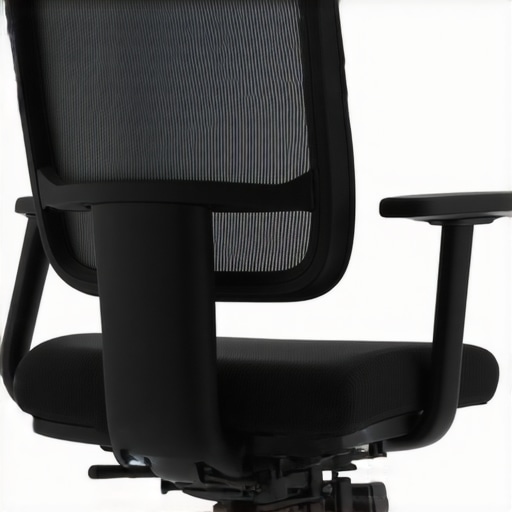
Maintaining your proper posture and spinal health over time requires more than just occasional awareness; it demands the right tools and consistent routines. One of my favorite investments has been a high-quality ergonomic chair that supports my lumbar curve. I personally chose the Herman Miller Aeron because of its adjustable features that allow me to fine-tune my sitting position, reducing strain on my lower back during long work sessions. This chair has become an integral part of my daily routine, helping me sustain good posture and prevent pain.
Beyond seating, I rely heavily on mobility tools that target my fascia and muscle tension. Mobility foam rollers are essential; I prefer the softer, dense foam rollers because they effectively release my upper back and hips without causing discomfort. I personally incorporate myofascial release sessions into my weekly routine whenever I notice tightness or recurring stiffness, which keeps my tissues flexible and resilient.
For software, I recommend tracking your progress with apps like Headspace or Calm. These platforms guide me through mindful breathing and relaxation exercises that are vital for reducing chronic tension. My recommendation is to dedicate just five minutes daily to breathing exercises, especially after a long day of sitting or strenuous activity, to help reset muscle tension and neural pathways. Predictably, this small investment yields long-term results, reinforcing neural patterns that support good posture and movement habits.
Looking ahead, I see the trend shifting toward integrated smart technology—wearables that monitor posture in real-time and alert you when you slide into bad habits. Devices like the Upright GO have evolved to provide immediate feedback, which accelerates habit formation. Combining these with traditional tools creates a comprehensive approach that ensures consistent maintenance, no matter how busy or distracted life gets.
How do I keep my posture improvements sustainable over time?
The key lies in embedding these tools and routines into daily life, creating habits that become second nature. For example, I set reminders to check my alignment every hour using a simple technique—placing a small mirror on my desk or setting phone alarms to prompt a quick posture reset. I also schedule weekly mobility sessions with my foam roller and stretching routines outlined in mobility-focused content to ensure my tissues stay supple.
Remember, consistency is paramount. Try integrating one new tool or routine this week—perhaps a targeted breathing exercise or a quick fascia release—to strengthen your foundation for long-term health. For those interested in a comprehensive plan, consulting a professional can tailor strategies precisely suited to your anatomy, ensuring lasting progress. Feel free to reach out via this contact page to explore personalized guidance or advanced techniques to optimize your posture maintenance.
Stay proactive, and your future self will thank you for the investments you make today.
The Hardest Lesson I Learned About Adjustments and Mobility
My most profound lesson was realizing that quick fixes and superficial stretches rarely produce long-term results. It took repeated setbacks and persistent effort to understand that true change demands a holistic approach—addressing neural habits, fascia restrictions, and muscle imbalances—and not just isolated exercises. This enlightenment transformed my routine from a scattered attempt to a targeted strategy grounded in science and patience.
Why I Embrace the Power of Neuroplasticity in Posture Repair
Early on, I underestimated how deeply ingrained our habits are. Recognizing that the nervous system adapts and rewires itself through mindful practice was revolutionary for me. Incorporating neural-oriented techniques, like proprioceptive training and mindful movement, made the difference in creating sustainable posture habits—something that mere strengthening couldn’t achieve alone. This insight is a game-changer for anyone serious about lasting change.
My Favorite Tools for Real Posture Transformation
Over time, I found certain tools indispensable. The mobility foam rollers help release fascial restrictions and improve tissue quality, which is fundamental for maintaining proper alignment. Complementing this, the mobility mastery program offers targeted exercises that integrate mobility, strength, and neural control—fundamentals I swear by. These resources accelerated my progress more than any generic routine ever did.
Your Step to Better Posture Starts Today
Improving posture isn’t about drastic changes overnight; it’s about consistent, mindful adjustments and building awareness of how your body moves and holds tension. Small daily efforts, like conscious breathing, shoulder blade control, and regular posture checks, compound over time into remarkable transformation. Remember, your journey toward better mobility and pain-free living is unique—embrace it with patience and curiosity.
Here’s a thought-provoking question to reflect on: Have you ever noticed how your posture changes depending on your mood or stress level? Share your experience below and let’s learn from each other’s stories.