
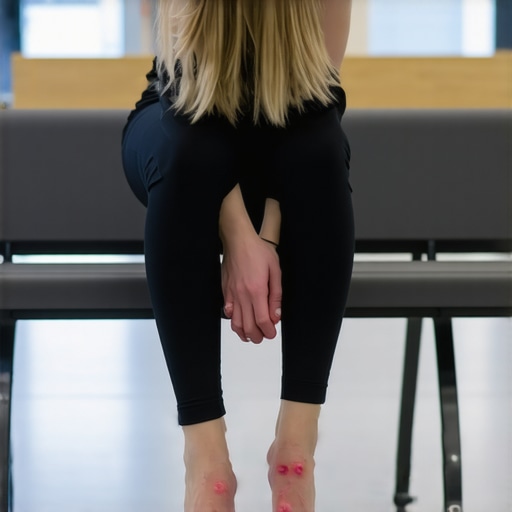
Have you ever finished a long day wearing your favorite flats and noticed your feet are throbbing or aching in ways that just don’t seem normal? I used to brush it off as part of the day’s fatigue, until one afternoon I couldn’t ignore the sharp discomfort radiating from the soles of my feet. That was my lightbulb moment—the realization that something was seriously off.
Understanding the Hidden Why Behind Foot Pain in Flat Shoes
Flat shoes might look adorable and feel comfortable at first, but they can secretly be causing more harm than good. Simply put, many flats lack the necessary arch support and shock absorption our feet need to handle daily activities. This can lead to strain on various muscles, tendons, and joints, resulting in pain that travels all the way up to your knees and hips. Scientific studies highlight how inappropriate footwear can contribute to foot deformities and joint issues over time (American Podiatric Medical Association).
Is Flat Shoes Really the Culprit or Just a Myth?
Early on, I made the mistake of thinking my foot pain was just a sign of aging or perhaps the shoes being new. The truth is, I didn’t realize how much the footwear choices could impact my overall posture and musculoskeletal health. When I first tried switching to supportive shoes or insoles, the difference was like night and day. Now, I want to guide you through understanding this common problem and give you practical solutions.
So, if you’ve ever felt that dull ache after a day of flats, know you’re not alone—and there’s definitely hope. Let’s explore why your footwear choice might be the silent culprit and how you can start making smarter decisions today.
Make Support Your Top Priority
Start by assessing your current shoes. Replace flimsy flats with pairs that offer arch support, heel cushioning, and a stable sole. I remember when I finally bought orthopedic-friendly flats, it was uncomfortable at first, like breaking in a new glove, but within days, the persistent ache in my feet disappeared. Prioritize shoes that mimic the natural contour of your foot to prevent strain and improve overall posture.
Incorporate Gentle Foot Exercises
Engage in specific exercises that strengthen the intrinsic muscles of your feet. For example, toe curls with a towel or picking up small objects with your toes. I set a reminder to do this every morning during my coffee break—initially it felt awkward, but over a week, I noticed less fatigue, and my foot stability improved, reducing pain during daily wear.
Use Custom or Over-the-Counter Insoles
Insert supportive insoles designed for flat shoes. I experimented with various brands, and found that gel insoles provided immediate relief. This tiny addition transformed my walking experience, making my arches feel more supported and decreasing fatigue. For a more tailored solution, consult a professional at https://chiromasteryz.com/contact-us-2 to get personalized orthotics if necessary.
Limit Wearing Flats for Extended Periods
Give your feet a break—avoid wearing flats for more than 2-3 hours at a stretch. When possible, switch to shoes with better support or go barefoot at home. I started carrying a pair of supportive sneakers to change into during long errands, and the relief was noticeable—my feet and knees felt less strained and more energized.
Practice Proper Walking and Standing Posture
Align your posture to reduce unnecessary foot strain. Imagine a string gently pulling your head upward and elongating your spine. Keep your weight evenly distributed across both feet and avoid collapsing the arches. At first, I focused on consciously adjusting my stance—this commitment paid off with significantly less foot discomfort by the end of the day. Check out https://chiromasteryz.com/unlock-better-posture-secrets for more posture tips.
Monitor Your Footwear Choices Regularly
Schedule periodic evaluations of your shoes. Look for signs of wear that diminish support, like flattened heels or worn-out soles. I made it a habit to replace shoes after about 300-500 miles, ensuring I always have supportive footwear. Remember, consistent footwear quality directly impacts foot health and overall mobility.
Integrate Mobility and Flexibility into Routine
Complement shoe adjustments with mobility exercises targeting your calves, Achilles tendons, and foot arches. Daily stretching routines, such as calf raises and Achilles stretches, increase flexibility, reducing tension in your feet and calves. I dedicate 5 minutes nightly to these stretches, which profoundly decreased my foot and ankle discomfort. For effective routines, explore https://chiromasteryz.com/mobility-mastery-simple-exercises-to-relieve-chronic-back-pain.
Be Consistent and Patient
Remember, change takes time. Stick with these steps daily, noting improvements over weeks. I found that gradually implementing these habits created lasting relief instead of temporary fixes. Your feet will thank you as you build a supportive foundation that prevents pain and boosts your overall mobility.
Many individuals believe that correcting their posture simply involves standing up straight or investing in a supportive chair. However, this oversimplifies the complexities behind back pain and mobility issues. A common misconception is that static posture adjustments alone can resolve chronic discomfort, but in reality, the body needs dynamic, functional strategies to maintain long-term health. Relying solely on external corrections without addressing underlying movement patterns can lead to habits that inadvertently reinforce issues rather than resolve them.
Are We Overlooking the Role of Movement Patterns in Back Pain?
It’s a nuanced point—research indicates that habitual movement patterns and neural pathways play a critical role in how our bodies sustain or alleviate pain. For example, compensatory behaviors, like favoring one side or avoiding certain movements due to pain, may become ingrained, obscuring the root cause. Addressing these patterns requires more than surface-level adjustments; it demands retraining the nervous system to adopt healthier, pain-free movements. For in-depth insights into mastering mobility and avoiding common pitfalls, explore Master Your Mobility.
One trap many fall into is equating alignment with actual function; they think that a perfect posture equals good health. This myth can be dangerous, as it encourages static holds rather than dynamic stability and movement variance essential for resilience. Moreover, focusing on immediate symmetry without considering individual biomechanics may lead to rigid postures that eventually cause more harm than good. Instead, embracing variability and functional movements nurtures adaptability. A good resource for these concepts is Effective Posture Tips for 2025.
Beware of the ‘quick fix’ mindset—imagine applying a foam roller or stretching routine that provides temporary relief but neglects underlying muscular imbalances or joint restrictions. This approach can mask pain without correcting the cause, leading to recurrence or worsening of symptoms. An advanced mistake is neglecting the importance of targeted adjustments and the body’s neuro-musculoskeletal integration. Professional guidance, like personalized adjustments, can facilitate true correction over superficial remedies. Learn more about proper routines at Enhance Your Mobility.
Additionally, many overlook the importance of tissue quality and nerve health in back pain. For instance, chronic inflammation or compromised neural input can impair movement and support. Addressing these factors often involves a holistic approach including nutrition, stress management, and corrective exercise. Advanced practitioners recognize that a multi-dimensional approach outperforms isolated interventions, leading to sustainable results. To explore this further, visit Daily Spinal Alignments.
In summary, the real challenge lies in understanding that back pain and mobility are dynamic, intertwined processes. Shifting focus from mere static correction to functional movement and neuro-musculoskeletal health can revolutionize outcomes. Are you still stuck in outdated assumptions? It might be time to revisit your approach with a more nuanced, expert lens. Have you ever fallen into this trap? Let me know in the comments.
When it comes to maintaining back health and mobility, having the right tools and consistent routines is essential for lasting results. Over the years, I’ve refined my toolkit to include specific equipment and methods that promote spinal stability and optimize recovery. These tools are not just accessories but integral components of my daily approach to preventive care and addressing recurring issues.
How do I keep my back functioning well over time?What My Messiest Mistakes Taught Me About Back and Foot Health
One of my most frustrating moments was ignoring the early signs of poor support and posture, which led to chronic discomfort. I used to dismiss minor aches as temporary, only to realize later they snowballed into more severe issues. The key lesson? Small neglects—like wearing flat shoes without support—can build up and cause long-term pain, emphasizing the importance of early intervention and consistent support.
Tools That Became My Game-Changers for Lasting Relief
Over years of experimentation, I’ve come to rely on specific resources that truly move the needle. Custom insoles from trusted practitioners provide personalized comfort, while mobility routines from expert sites like Master Your Mobility have kept my body resilient. Books such as “Pain-Free Movement” shifted my perspective on body mechanics, proving that education empowers sustainable change.
Embracing this Journey Makes All the Difference
Stepping into a proactive role with your back health and mobility can be transformative. The process requires patience and consistency, but the rewards—a body that moves freely and pain-free—are worth it. Remember, every small adjustment and exercise adds up over time, paving the way for a stronger, more resilient you. Don’t wait for pain to become unmanageable—start today. What’s one step you’re ready to take now to improve your back and foot health? Share below and let’s inspire each other.