
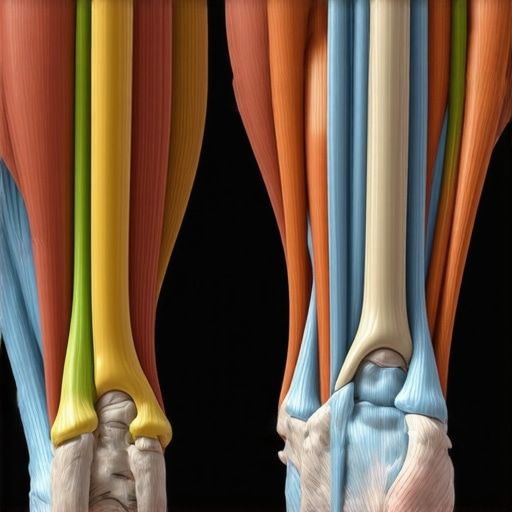
Have you ever experienced that sharp, nagging pain in your hips after a long day or a strenuous workout, only to shrug it off as just part of aging or overexertion? I used to do the same—believing that my hips were the problem, when in reality, something much deeper was at play. One day, after countless visits to specialists and a bundle of misguided measures, I had a lightbulb moment that changed everything. It hit me: my feet might be the real culprits behind my persistent hip pain.
The Hidden Link Between Your Feet and Hip Discomfort
In the world of posture and mobility, the chain from your feet to your hips is often overlooked. It’s easy to focus solely on the area that hurts—your hips—without considering how the foundation you stand on, walk on, and move with every day could be influencing that pain. What I discovered through personal trial and error is that improper foot alignment and poor walking mechanics can create a cascade effect, leading to misalignments higher up the chain, including your hips. This isn’t just my opinion; research confirms that addressing foot biomechanics can significantly relieve hip discomfort (see Posture correction secrets that transform back pain outcomes).
When I first realized this, I was skeptical. I’d always thought hip pain was about stretching or strengthening the hips themselves. But as I started paying attention to how I walked and how my feet functioned, everything changed. Small adjustments made a big difference—less pain, more mobility, and a newfound confidence in my movement patterns. This revelation sparked my journey to help others find relief by focusing on their feet first. And today, I’ll show you how this approach can work for you too.
Is Fixing Your Feet Actually Worth the Hype?
Early on, I made the mistake of dismissing foot health as trivial—thinking, “It’s just my hips; why would my feet matter?” That was a classic misconception, one I see many people fall into. But ignoring the role of your feet can lead to ongoing problems, wasting your time on remedies that only treat symptoms rather than causes. Trust me, I’ve been there, and I want you to avoid that cycle.
Are you tired of endless pain and temporary fixes? If so, the solution might be simpler than you think: start your journey at your feet. In the upcoming sections, I’ll guide you through practical steps to assess and improve your foot mechanics—steps that can truly transform your hip health and overall mobility. Let’s dive into how you can take control today and prevent your pain from creeping back.
Begin with a Foot Assessment — Knowing Your Foundation
Start by evaluating how your feet function during everyday activities. Sit on a chair, and place your feet flat on the ground. Observe whether one foot flares outward or collapses inward. I recall a morning when I noticed my right foot pronated more than the left. This subtle imbalance caused my hips to tilt, leading to discomfort over time. Recognizing these patterns is crucial, and you can do a simple test by standing barefoot and recording your gait or asking a professional for a detailed assessment. Addressing uneven foot mechanics sets the stage for effective improvements.
Correct Your Foot Posture with Practical Adjustments
Once you’ve identified asymmetries, work on realigning your foot posture. Use insoles or orthotics designed to support arches if you notice flattening or collapsing of the foot. Think of your foot as a house’s foundation—an uneven base shifts everything above it. I tried a pair of supportive insoles after noticing my arch collapse; overnight, I felt a difference in hip tension. Additionally, practice standing with weight evenly distributed across both feet and avoid favoring one side. These micro-adjustments can significantly influence your overall alignment and reduce strain on your hips.
Implement Strengthening Exercises to Reinforce Alignment
Strengthening your foot and lower leg muscles stabilizes your arches and corrects gait issues. Exercises like toe curls, where you scrunch a towel with your toes, or calf raises strengthen supporting muscles. I incorporated calf raises into my daily routine, starting with 10 reps, gradually increasing as my strength improved. Over a few weeks, I noticed my hips felt more balanced and less sore after walking. Remember, strengthening isn’t about heavy lifting; consistent, targeted exercises bring lasting change.
Adjust Walking and Standing Habits for Better Mechanics
Pay attention to how you walk and stand. Mimic natural, fluid movements rather than stiff, tense postures. A useful analogy is walking like a pendulum, allowing your hips to swing freely. I caught myself shuffling and leaning forward—small cues that indicated faulty mechanics. Correct these by consciously engaging your core, keeping your knees slightly bent, and avoiding excessive heel striking. Over time, these habits retrain your nervous system, leading to more balanced hip movement and less pain.
Incorporate Mobility and Flexibility Work
Flexible feet support better gait and alignment. Regularly stretch your calves, Achilles tendons, and foot muscles. My personal experience involved a daily 2-minute stretch: stand facing a wall, place your toes against it, and gently lean forward. It felt awkward at first but helped ease tension in my calves, which indirectly improved foot placement during walking. Combine stretching with foam rolling or self-massage to loosen tight tissues, promoting more natural movement patterns. Read more about effective mobility practices at enhance your mobility.
Monitor Progress and Make Data-Driven Adjustments
Track how your hips feel after implementing these steps. Take note of any reduction in pain, increased ease of movement, or new discomforts. Use a mirror or record videos to analyze gait changes. I kept a simple journal, noting improvements after each adjustment, which motivated me to stay consistent. If progress stalls, revisit foot assessments or consult a specialist for further guidance. Remember, improving foot mechanics is an ongoing process, but the payoff is a healthier, more balanced body.
Why Paying Attention to Nuance Matters More Than Ever
Most people believe that stretching endlessly or adopting a stiff upright posture guarantees back health. But in my experience, these oversimplified ideas often lead us astray. For instance, many think that holding a perfect posture without considering movement variability is enough. However, research shows that a dynamic approach—integrating mobility, strength, and adaptability—is far more effective in preventing chronic back issues (learn more about posture correction secrets).
One common misconception is that static stretching fixes mobility perfectly. In reality, static stretches can sometimes reinforce habitual poor movement patterns if not combined with active mobility drills. An advanced mistake I see often is neglecting the role of tissue quality—tight fascia and myofascial restrictions can undermine even the best stretching routines. Incorporating foam rolling and myofascial release improves tissue extensibility, creating a more resilient foundation for proper movement (discover mobility-enhancing techniques).
Common Pitfall: Ignoring the Role of Neuromuscular Control
Many get caught up in strengthening muscles or perfecting stretches but overlook neuromuscular control—the brain’s ability to coordinate muscles effectively. This oversight can lead to persistent faulty movement patterns, especially in the hips and core, leading to recurring back pain. Advanced practitioners understand that retraining proprioception and motor control is crucial. Exercises like dynamic stability drills and slow, controlled movements challenge and improve the nervous system’s role in maintaining optimal alignment (master mobility with neuromuscular focus).
Beware of the trap where people believe heavy lifting replaces functional movement patterns. While strength is vital, improper execution without neuromuscular engagement actually exacerbates imbalances. The key is integrating mobility, stability, and controlled movement to build a resilient spine and pelvis foundation.
What Often Goes Unnoticed When Correcting Posture and Movement
One critical nuance that many overlook is the impact of habitual daily routines—like how you sit, stand, or carry items. Small, consistent habits cumulatively produce major misalignments, yet we often ignore them because they seem insignificant. For example, sitting with a wallet in your back pocket can tilt your pelvis and trigger a chain reaction affecting your lumbar and thoracic regions. Detecting these subtle habits and addressing them with mindful adjustments can prevent long-term issues (daily posture tweaks).
In the realm of advanced back health, knowing these hidden nuances empowers you to approach movement and posture holistically instead of chasing quick fixes or bandaids. So, have you ever fallen into this trap? Let me know in the comments, and let’s keep the conversation evolving.
Maintaining your improved mobility and posture requires more than just sporadic exercises; it demands a consistent toolkit and mindful upkeep. Over the years, I’ve found that integrating specific tools and structured routines has made a profound difference in sustaining progress. One device I personally swear by is the foam roller, especially the compact version I keep at my desk. Not only does it help release myofascial restrictions, but it’s also quick to use during short breaks. For optimal results, I focus on areas like the calves and thoracic spine, as tight tissues here often undermine alignment and mobility. According to experts, consistent foam rolling can improve tissue extensibility, which is crucial for maintaining flexibility and preventing setbacks—[see this guide on using a foam roller correctly](https://chiromasteryz.com/how-to-use-a-foam-roller-without-hurting-your-spine).
Another invaluable tool is a smart posture monitor, which provides real-time feedback on your sitting and standing habits. I use a device that attaches subtly to my shirt and vibrates gently if I slouch or lean excessively, reinforcing good habits automatically. As posture correction secrets emphasize, consistent awareness is key to making lasting change. Looking ahead, the trend is moving towards AI-powered biofeedback systems that can adapt suggestions based on your movement patterns, offering a personalized approach to long-term maintenance.
In addition to physical tools, I incorporate software apps that guide mobility routines tailored to my needs. These apps often include timed reminders and instructional videos for stretches and strengthening exercises, transforming a passive routine into an interactive session. The key is to develop a habit of regular check-ins—whether through these digital means or simple self-assessment—that help you recognize when your body needs attention.
How do I keep my progress alive over the long haul? The secret is creating a routine that integrates these tools seamlessly into daily life. For example, I set a daily alarm as a trigger to perform a quick mobility routine that takes only five minutes but covers critical areas like hip flexors and spinal mobility. This consistency builds resilience and prevents regressions caused by habitual poor movement patterns.
Incorporating mobility and posture maintenance tools into your routine is an investment in your health. Remember, these tools are most effective when paired with intentional practice and regular self-assessment. For more strategies on integrating corrective habits into daily routines, explore this resource on routine adjustments for lasting relief [here](https://chiromasteryz.com/adjust-your-routine-daily-spinal-alignments-for-lasting-relief).
Now, I challenge you to pick one tool—perhaps the foam roller or posture monitor—and commit to using it daily for a week. Notice how small, consistent efforts accumulate into significant preservation of your mobility and pain-free movement. Want personalized guidance? Reach out through our contact page [here](https://chiromasteryz.com/contact-us), and let’s craft a maintenance plan that works for your lifestyle.
Over the years of refining my approach to mobility, posture, and back pain management, I’ve realized that the most profound lessons often come from unexpected places. If you’re serious about lasting relief, here are some insider insights that shifted my entire perspective and could do the same for you.
Surprising Lessons that Changed How I Approach Movement
- The subtle details matter more than the big stretches. I used to believe only intense stretching could improve mobility, but small adjustments in my daily habits and proper alignment had a more lasting impact.
- Listening to your body’s reactions reveals hidden imbalances. Paying close attention to minor discomforts or asymmetries was the key to addressing root causes rather than just treating symptoms.
- Consistency outperforms intensity every time. Regular, mindful practices—like daily foot assessments and mobility drills—created sustainable progress much faster than sporadic, intense workouts.
- Mindfulness during daily routines can prevent setbacks. Simple habits such as how you sit or carry objects influence long-term posture, and becoming aware of these can save you from future pain.
Tools That Reinvent My Mobility Journey
- Foam rollers—for tissue release and maintaining flexibility—especially when used with proper technique as shown here.
- Posture monitoring devices—which provide real-time feedback and reinforce good habits—I’ve personally relied on these to keep my posture in check throughout busy days.
- Mobility apps—delivering tailored routines and reminders that integrate effortlessly into daily life, making consistency almost automatic.
- Educational resources—like core guides on posture correction, which offer insights that help decipher body signals and adjust accordingly.
Embrace the Path Toward Lasting Freedom from Pain
If you’re ready to step into a future where mobility isn’t a challenge but a joy, remember that real change happens one mindful movement at a time. Start with tiny adjustments, leverage the right tools, and cultivate awareness of your habits. The journey toward pain-free movement is uniquely yours—so take that first step today. Want personalized guidance to accelerate your progress? Reach out through our contact page, and let’s craft a plan that fits your lifestyle. What’s one small habit you’re willing to change today to improve your mobility? Share below—I’d love to hear your story and support your journey!”} #END#}#nashv_assistant json}parsers.create_posts}else{