

Have you ever slipped into your favorite pair of shoes, feeling confident that your orthotics would give you the support you need? Only to find that, days later, your back starts nagging at you, worse than before? I’ve been there. One day, I was hobbling around after switching to new custom orthotics, confused about why my back pain was intensifying rather than easing. That lightbulb moment led me down a path I want to share with you today.
Why Your Foot Orthotics Might Be Making Your Back Issues Worse
It might sound counterintuitive, but sometimes the very devices meant to support us can inadvertently cause more harm. When I first started using custom orthotics, I expected relief. Instead, I experienced renewed discomfort, especially in my lower back. It was frustrating because I thought I was doing the right thing. What I didn’t realize at first was that improper use or alignment of orthotics can throw off your entire posture, leading to misalignments higher up in your spine.
Here’s the thing: your feet are the foundation of your posture. If your orthotics don’t align perfectly or change your gait too abruptly, your body compensates in ways that can strain your back muscles and joints. According to a study published in the Journal of Bodywork and Movement Therapies, improper foot support can influence the entire kinetic chain, sometimes causing discomfort in places far from your feet.
Early on, I made the mistake of assuming that any support was better than none. But after some trial and error—and quite a few sleepless nights—I learned that the key is not just support but proper alignment and transition. That realization prompted me to look into how to adjust my orthotics and my posture overall, which transformed how I approach my mobility and back health now.
Is Your Orthotic Support Actually Doing More Harm Than Good?
I wish I’d known that rushing into new orthotics without proper assessment can backfire. Lack of a thorough gait analysis or not fitting the orthotics to your specific needs can lead to problems rather than solutions. If you’re wondering whether your foot support might be the culprit behind persistent back pain, you’re not alone. Many people overlook the significance of proper alignment and underestimate the impact of their footwear choices.
My journey taught me the importance of consulting specialists who understand the delicate balance between support and alignment. For a comprehensive look at improving your posture and support your mobility, I recommend exploring strategies like those detailed in this article on effective posture tips.
So, if pressing your orthotics into your shoes has become a source of discomfort, stay with me. The next steps are about understanding your biomechanics and making informed adjustments that serve your well-being. Are you ready to unravel this mystery and reclaim your back health?
.
Assess Your Footwear and Orthotics
Start by evaluating whether your orthotics fit properly. Imagine trying to build a house on a shaky foundation—you’ll never get the support you need. Visit a specialist for a comprehensive gait analysis, which helps identify misalignments caused by improper support. I once nearly wore a pair of orthotics that were slightly off, leading to persistent discomfort; after a quick assessment, the correction made a world of difference.
Modify Your Orthotic Usage Gradually
Don’t jump straight into wearing new orthotics full-time. Think of it like breaking in new shoes—you need to wear them gradually to allow your body to adapt. Start with a few hours daily, then increase wearing time over a couple of weeks. During this transition, pay close attention to any discomfort or imbalance, adjusting usage accordingly. My experience showed that rushing this step caused unnecessary back strain, which was frustrating but preventable.
Correct Your Posture While Using Orthotics
Proper posture amplifies the benefits of orthotics. Draw analogy here: if your foundation is crooked, the house will be unstable no matter how sturdy the walls are. Practice maintaining a neutral pelvis and aligned shoulders, especially when standing or walking. A quick tip I found helpful was consciously engaging my core during daily activities—this boosted stability and reduced back pain. For detailed routines, visit this post on daily spinal adjustments.
Strengthen and Stretch Your Muscles
Addressing muscle imbalances is vital. Think of your muscles as the ropes supporting a swing—it needs even tension. Incorporate strengthening exercises for your core and hip stabilizers, and stretch tight areas like your hamstrings and hip flexors. I included simple routines from this mobility guide into my schedule, which improved my posture and alleviated back pain. Consistency here is key; even small daily gains compound over time.
Adjust Daily Movements and Habits
Be mindful of how you perform routine activities. Lift objects with your legs, not your back, resembling a squat more than a bend. Shift your sitting posture periodically, and avoid staying in one position for too long. Ensuring your workstation setup supports healthy posture is critical; check out this guide on ergonomic setup for tips.
Seek Professional Guidance Regularly
Finally, schedule periodic check-ins with a chiropractor or physiotherapist to monitor your progress. Sometimes, misalignments subtle enough to elude detection can be corrected with targeted adjustments. My back improved significantly after a few professional sessions, coupled with the routine adjustments I learned from this article. Remember, proper support is a moving target; ongoing assessment ensures you stay aligned and pain-free. Keep these steps in mind as you refine your orthotic use, and you’ll gradually restore harmony in your posture and back health.Many believe that simply adopting a good posture or getting regular adjustments is enough to solve persistent back pain. However, this oversimplification often leads to common pitfalls. A significant misconception is the idea that adjustments are a one-size-fits-all fix. In reality, the effectiveness of spinal adjustments heavily depends on your unique biomechanics and regularity of care. Neglecting this can mean your pain persists despite frequent visits. Moreover, some assume that once aligned, your spine will stay that way without ongoing maintenance. But our bodies are dynamic, and daily habits influence spinal health profoundly. Failing to integrate movement and ergonomic awareness into your routine can undo the best adjustments. This is where many get caught in a cycle—expecting quick fixes rather than investing in long-term habits. Another advanced nuance is misunderstanding the role of muscle imbalances. Often, people focus solely on spinal alignment and overlook that weak or tight muscles can pull the spine out of optimal position, triggering pain despite correct adjustments. Strengthening and stretching targeted muscle groups is crucial, and neglecting this can render adjustments less effective over time. A common myth that deserves busting is the belief that stretching always helps. While flexibility is important, overstretching or stretching without considering joint stability can exacerbate issues. For instance, aggressive hamstring stretching in someone with hip instability can worsen back strain. Expert sources, such as research published in the *Journal of Bodywork and Movement Therapies*, confirm that nuanced functional assessments addressing muscle balance and joint stability lead to more sustainable relief. From my experience, overlapping these factors—proper adjustments, muscle balance, movement habits, and ergonomic awareness—creates a synergy that truly improves back health. If you’re neglecting any of these nuances, you might be unintentionally self-sabotaging your efforts. Want to delve deeper into building a holistic approach? Check out this guide on top mobility strategies. Remember, true progress comes from understanding and addressing the complex interplay of these factors. Have you ever fallen into this trap? Let me know in the comments.
Tools That Keep Your Back Support Working Effectively
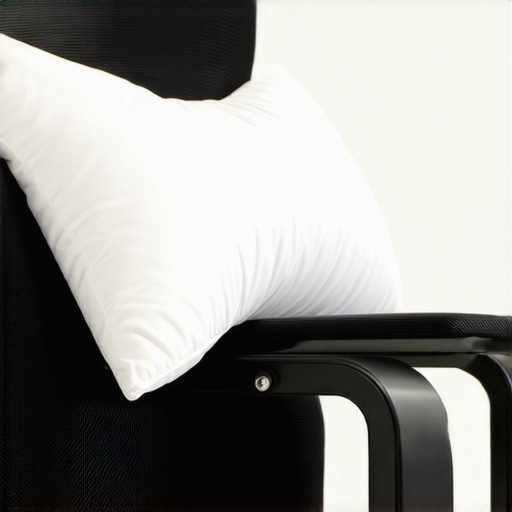
Maintaining back health isn’t a one-and-done task—it’s an ongoing process that requires the right tools and routine assessments. I personally rely on a combination of ergonomic accessories and digital tracking to ensure sustained benefits. For example, I use a lumbar support pillow that’s adjustable and custom-fit, which I often recommend based on this detailed guide. It’s helped me maintain proper spinal curvature during long work hours and prevents subtle postural shifts that can lead to pain over time.
Another essential tool is a high-quality foam roller that I use daily for my myofascial release routine. However, I advise against aggressive rolling—overdoing it can exacerbate issues, especially if your muscles are inflamed or overly tense, as discussed in this article. Instead, I focus on gentle, controlled movements that enhance circulation and mobilize my spine safely.
Digitally, I track my mobility and posture using apps like ‘Upright GO’ or similar, which alert me when my posture deviates beyond healthy thresholds. These insights allow me to make quick adjustments, much like a ‘dashboard’ for my spine health. As technology advances, I predict we’ll see more intelligent devices capable of providing real-time biomechanical feedback, making maintenance even more intuitive in the future.
How do I maintain my back health over time? Consistency is key—combining proper tools with a routine of regular assessments and adjustments helps me prevent setbacks. For a comprehensive approach, I integrate mobility exercises from this mobility guide and revisit ergonomic setups periodically to adapt to any physical changes.
Remember, the investment in good tools really pays off. I encourage you to try incorporating a lumbar support pillow into your daily routine, adjusting it as your posture needs evolve. Small, consistent steps with the right equipment can turn short-term relief into lasting back health.
Throughout my journey with posture correction and mobility, I uncovered some surprising truths that often go beyond common advice. These insights have transformed my approach from quick fixes to sustainable habits. Let me share some of the hardest lessons I learned about adjustments, posture, back pain, and mobility that might resonate with you too.
The Most Unexpected Lesson: Small Changes Make the Biggest Difference
I used to believe drastic overhauls were necessary to see progress. Yet, I discovered that tiny, consistent tweaks—like adjusting how I sit or engaging my core during routine activities—compound over time into significant relief. It’s a reminder that patience and persistence outperform quick fixes.
Why Ignoring Muscle Balance Can Keep You Stuck
Initially, I focused solely on spinal alignment, neglecting muscle imbalances. Over time, I realized that tight or weak muscles—like my hip flexors or glutes—were pulling my spine out of position, undermining my efforts. Addressing these imbalances with targeted strengthening and stretching proved vital for lasting relief.
Posture Correction Is Not a One-Time Fix
I used to think that once I corrected my posture, I was done. But bodies are dynamic, and daily habits influence ongoing alignment. Regularly revisiting ergonomic setups and mobility routines maintains progress and prevents setbacks. It’s an ongoing commitment, not a distant goal.
Overlooking the Power of Mindful Movements
Shifting from reactive to proactive movement awareness changed everything. Simple actions like lifting correctly and taking micro-breaks during work sessions helped me avoid strain. Incorporating mindfulness into mobility routines, as discussed in this mobility guide, reinforces healthy habits in real life.
Where My Support System Fits Into Long-Term Success
Investing in supportive tools—like lumbar cushions and foam rollers—made consistent support achievable. Yet, I learned that effective use depends on understanding your body’s signals. Trusting professional guidance and using reliable resources ensures that tools complement your unique needs rather than hinder progress.
Revamp Your Back Outlook with Proven Strategies
If you’re serious about lasting improvements, embrace a holistic approach that combines proper orthotics, muscle balance, mindful movement, and consistent assessment. Remember, the journey to pain-free mobility isn’t linear, but with patience and the right knowledge, the path becomes clearer. I encourage you to implement these lessons today—your back will thank you.