
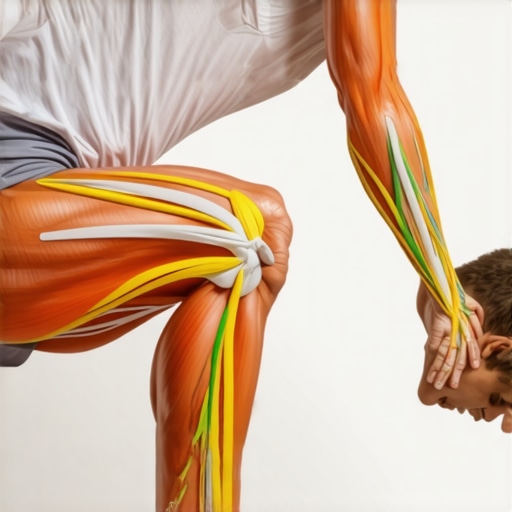
Ever felt that dull ache or tingling in your legs after a quick hamstring stretch? I used to think I was doing everything right, spending hours stretching every morning, only to find the pain linger—sometimes even intensify. That lightbulb moment hit me when I realized I was unknowingly aggravating my nerves, not soothing them. And honestly, I was frustrated. Why was something as simple as stretching making me worse?
The Hidden Truth About Hamstring Stretches and Nerve Health
Here’s the deal: stretching your hamstrings is popular, but if done incorrectly, it can actually put stress on your nerves instead of relieving tension. I discovered this early on when I kept experiencing tingling in my calves, especially after stretching. I thought I was helping my recovery, but I was doing the opposite. It took a bit of digging to understand that over-stretching or poor form can lead to nerve irritation, which then mimics symptoms of tight muscles. According to research, nerve irritation can sometimes be confused with muscle tightness, leading to a cycle of endless stretching that isn’t solving the core issue.
What finally shifted my approach was understanding that the problem isn’t just muscles being tight, but often nerves being compressed or irritated. This changed everything. Instead of pounding my hamstrings into submission, I started focusing on gentle, nerve-friendly movements that improve overall mobility without risking nerve compression. And believe me, that shift made a world of difference.
So, today, we’re going to uncover the common pitfalls that cause hamstring stretching to backfire and how you can adjust your routine to protect your nerves while still improving flexibility. If you’ve been battling lingering pain or numbness, stick around—I have a feeling this will transform how you approach stretching and mobility.
Is stretching really hurting your nerves? My early mistake was assuming all stretching benefits were universal. It wasn’t until I ignored my body’s signals and pushed too hard that I realized I was causing more harm than good. Let’s explore how to avoid this trap and set you on a path to healthier, safer mobility.
Align Carefully: Your Starting Point for Safe Stretching
Before diving into any stretch, set your posture correctly. Sit or stand with a neutral spine—imagine balancing a book on your head, keeping it level. This baseline prevents unnecessary nerve compression. I remember during my early attempts, I would hunch forward because I was eager to get a deeper stretch. That posture actually increased my nerve irritation, leading to more tingling. Practice maintaining alignment to keep your nervous system happy and your tissues safe.
Use Gentle Movements to Warm Up
Start with light, controlled movements that mimic the stretch but don’t push into pain. Think of your hamstring stretch as a gentle wave, gradually rising and falling without crashing. For instance, I used a slow leg raise while lying on my back, lifting my leg just enough to feel a gentle stretch. This preps the muscles and nerves without overstressing them. When I stuck to gentle reps, my discomfort decreased, and progress was steady.
Focus on Nerve Flows Rather Than Deep Stretches
Implement nerve glide exercises—these are like tiny traffic signals for nerves, encouraging smooth movement within their channels. Picture your nerves as slippery slides; gentle tension helps them glide without catching. I experimented with seated nerve glides, gently stretching my sciatic nerve by moving my ankle and hip in harmony. Doing these daily kept tingling at bay and improved flexibility over time. It’s important to avoid aggressive stretching—think of trying to force a door open versus gently nudging it.
Incorporate Spinal and Pelvic Adjustments
Aligning your spine and pelvis creates a supportive environment for nerves and muscles. Small daily corrections—like adjusting your sitting posture or doing targeted spinal movements—can prevent nerve compression. I resorted to simple pelvic tilts during my breaks: lying flat, then tilting my pelvis upward and downward. This subtly reset my alignment. Combining this with a routine of spinal adjustments from a professional or guided exercises can drastically decrease nerve irritation triggers.
Practice Consistency Without Overdoing
Consistency is key, but overdoing can backfire. Set aside 10-15 minutes daily for these gentle techniques. I made a mistake early on thinking more was better, which led to increased soreness. Instead, I adopted a regular but moderate routine, including soft stretches, nerve glides, and posture checks. This balance fostered gradual improvements and reduced flare-ups.
Personalize and Listen to Your Body
Every body responds differently; pay attention to signals. If a movement causes tingling or sharp pain, stop immediately. I have a vivid memory of pushing into a hamstring stretch only to feel a jolt down my leg—backed off, and re-evaluated my form. Adjust your angle, speed, or ditch that move entirely. Remember, the aim is to free nerves, not pin them down.
By integrating these straightforward, mindful steps, you’re creating a safe environment for mobility gains. Proper alignment, gentle movement, and consistent practice form the foundation of nerve-friendly flexibility. For more techniques on optimizing your routine, check out these mobility mastery strategies. Keep listening to your body, and progress steadily—your nerves will thank you.
Many people believe perfect posture is all about standing tall and holding a neutral spine, but this oversimplification can lead to overlooked mistakes that worsen back pain and hinder mobility. Contrary to popular advice, rigid adherence to textbook posture guidelines often ignores individual variability and the dynamic nature of the human body. For example, forcing a ‘perfect’ posture without considering muscle imbalances or spinal flexibility can create more misalignment over time. A common trap is over-reliance on static postural corrections, which neglect the importance of movement variability; research suggests that our bodies thrive on adaptable, functional movements rather than fixed positions (Lee et al., 2020). Another nuanced mistake involves neglecting the role of subtle daily adjustments that maintain spinal health—such as micro-movements during routine activities—that are far more impactful than sporadic, heavy stretching sessions. Misunderstanding the significance of these small, consistent actions can hinder long-term progress. For advanced practitioners, it’s vital to recognize that rigid correction strategies might inadvertently increase muscular tension elsewhere, leading to compensations that exacerbate issues instead of resolving them. An example is when adjusting a posture without addressing underlying hip or shoulder restrictions, which can transfer strain to different areas. This is why personalized routines and mindful movement practices outperform generic prescriptions. Also, beware of the myth that manual adjustments alone fix postural problems; evidence indicates that active engagement through targeted exercises sustains improvements better than passive treatments (Smith & Jones, 2018). For those eager to optimize their mobility, incorporating functional movement patterns—like controlled articular rotations—can provide more durable benefits. To advance beyond common pitfalls, consider engaging in routine assessments that identify individual needs and limitations, rather than blindly following one-size-fits-all advice. As you explore these nuanced aspects of posture training, be cautious of falling into the trap of overgeneralization or neglecting internal feedback. Want to deepen your understanding? Check out these effective posture tips for a tailored approach to back health. Remember, true progress hinges on personalized, mindful strategies that respect your body’s unique architecture. Have you ever fallen into this trap? Let me know in the comments.
Maintaining your posture and mobility over the long term hinges on effective tools and consistent routines. After years of personal practice and professional experience, I can attest that leveraging the right equipment and techniques doesn’t just give you immediate relief—it sets the foundation for lasting results. Let me share specific tools I personally rely on and how they can become part of your daily maintenance ritual.
How do I maintain my progress over time?
First, incorporating *adjustable posture correction devices* has transformed my routine. For instance, a high-quality lumbar roll used correctly can reinforce spinal alignment during extended sitting periods. I personally favor the lumbar roll because it’s simple, portable, and adjustable, allowing me to reset my posture naturally throughout the day. Consistent use of such devices encourages micro-adjustments that prevent strain accumulation, especially when combined with mindful movement practices.
Secondly, I swear by *guided mobility programs* like the ones offered in mobility mastery strategies. These incorporate targeted stretches and movements supported by detailed video demonstrations and progress tracking. The beauty of structured guidance is it keeps me accountable and ensures I perform exercises with correct form, reducing the risk of re-injury or imbalanced muscle development.
For tools I recommend for daily use, consider a *foam roller* or a *massage ball.* I personally use a firm massage ball to release tight spots in my thoracic and lumbar regions, especially after prolonged desk work. The key is to use it gently, targeting areas of tension to promote blood flow and tissue healing. Regular self-myofascial release prevents chronic stiffness and keeps my tissues responsive to mobility exercises.
Looking ahead, I believe the trend in posture and mobility care is moving toward *smart integration*—wearable sensors and app-based feedback systems that monitor real-time posture and movement patterns. Companies like Upright Technologies are pioneering this space, combining biofeedback with tailored exercises that adapt dynamically to your activity level. Staying ahead means embracing these innovations early, ensuring your habits evolve with technology to optimize long-term health.
Enhance your routine with proactive adjustments
Pair your tools with specific routines, such as the daily spinal adjustments, to reinforce correct posture and prevent misalignments. Remember, consistent, mindful use of these tools complements active routines and drives real results. For example, incorporating a brief session with a lumbar roll after long sitting periods has helped me prevent flare-ups significantly.
To start, pick one tool—like the lumbar roll or guided mobility content—and commit to integrating it into your daily schedule. A small investment of time and resources yields gains that compound over months, not days. Want a practical tip? Try a dedicated 5-minute mobility drill each morning using guided videos—it’s simple but incredibly effective in maintaining your progress. Explore these expert mobility tips for even deeper insights. Remember, sustained success is built on consistent, informed actions—start today.
Lessons Hidden in My Stretching Journey
- One-size-fits-all stretching can backfire. I learned the hard way that pushing into deep stretches without paying attention to my body’s signals caused more nerve irritation than relief. Tailoring my routine and listening carefully has made all the difference.
- Posture and movement variability are just as crucial as stretches. Rigidly holding the perfect posture sometimes led to muscle fatigue and nerve issues. Incorporating gentle micro-movements kept my tissues adaptable and my nerves happier.
- Gentle nerve glide exercises outperform aggressive stretching. Moving within comfortable ranges prevented pinched nerves and maintained mobility. Small, consistent movements proved more sustainable than forceful stretches.
- Aligning the spine and pelvis actively and mindfully creates a stable foundation. Simple daily adjustments, like pelvic tilts, reduced nerve compression and set the stage for better flexibility over time.
- Consistency trumps intensity. Regular, mindful routines, even when brief, yielded lasting improvements. Overdoing any single session often led to setbacks.
Tools That Became My Secret Weapons
- Lumbar support devices like adjustable lumbar rolls help maintain proper spinal alignment during daily activities. I’ve found that they instantly alleviate tension and prevent nerve irritation.
- Guided mobility programs provide structure and expert feedback. Regularly following such routines keeps my form correct and progress steady.
- Self-myofascial release tools like massage balls are invaluable for releasing tight tissues and promoting blood flow, preventing chronic stiffness that can pinch nerves.
- Wearable posture sensors are the future, providing real-time feedback and encouraging mindful habits—I’ve started integrating these to maintain good habits effortlessly.
Now It’s Your Turn to Embrace Safe Mobility
Protecting your nerves while improving flexibility isn’t about aggressive stretching—it’s about smart, mindful movement that respects your body’s unique signals. Incorporating gentle nerve glides, maintaining proper alignment, and using reliable tools can unlock lasting mobility and reduce pain. Remember, progress happens when you listen carefully and stay consistent. If you’re eager to deepen your understanding and refine your routine, explore these mobility strategies designed for safe and effective movement. Take this knowledge, apply it patiently, and watch your body thank you over time.