
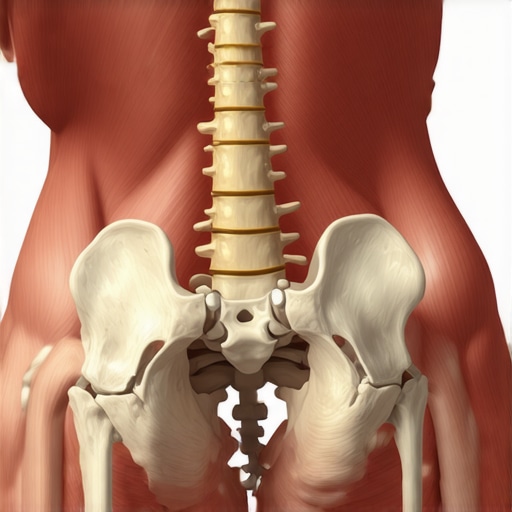
It was just another Monday morning when I noticed that familiar, almost embarrassing crack echoing through my spine as I stretched my legs after sitting for hours. You know that instant sensation—you straighten up, and suddenly your lower back makes a loud pop, as if it’s celebrating an old joke only it understands. At first, I thought it was harmless, maybe just a bit of tension releasing. But over time, that popping became more frequent and noticeable, prompting me to dig deeper into what’s really going on behind those sounds.
Getting to the Heart of the Back Pop
The truth is, many of us experience this phenomenon without fully understanding why it happens or whether it’s something to worry about. For years, I brushed it off as a normal part of aging or a quirk of my body. But I learned that those sounds could be signaling something more, like joint cavitation or changes in pressure within your spinal joints. According to a study published in the Journal of Manipulative Physiological Therapeutics, joint noises like popping are often linked to the release of gas bubbles in the synovial fluid of joints. While generally harmless, persistent or painful pops might indicate underlying issues such as ligament tightness or cartilage wear.
One personal mistake I made early on was ignoring the warning signs, assuming that my back was just cracking for no reason. That led to a cycle of stiffness and discomfort. It wasn’t until I consulted with a professional and paid closer attention to my daily movements that I started to notice patterns—certain positions, like crossing my legs or slouching at my desk, exacerbated the problem. That’s when I realized that small adjustments could make a big difference, both preventing discomfort and easing those loud pops.
If you’re tired of that cracking feeling turning into a more persistent pain, you’re in the right place. Today, I want to share practical insights and strategies that helped me regain control over my back health. Whether you’ve always wondered why your lower back pops or just want to reduce the noise and discomfort, understanding the root cause is the first step toward relief. Ready to explore what’s really behind those pops and how you can take charge of your back? Let’s dive into the specific movements and habits that can transform your mobility.
Is Your Back Pop Just Normal, or Is Something More?
A common fear I hear from many people is whether those pops indicate a serious issue. I’ve been there myself, worried that every crack might mean an impending injury. My early mistake was avoiding professional advice, thinking I could fix it on my own. But when the popping became painful or was accompanied by numbness, I realized I needed expert guidance. Remember, understanding the difference between normal joint noises and signs of trouble is crucial—if in doubt, consult a healthcare professional who can provide tailored advice and ensure you’re on the right track. For more on proper postural habits and effective adjustments, check out this resource: Unlock Better Back Health: Effective Posture Tips for 2025.
Practice Daily Posture Checks
Start your day with a quick posture assessment. Stand against a wall with your heels, buttocks, shoulders, and head touching the surface. Adjust your position until all parts align naturally. This helps reset your spinal posture and reduces unnecessary strain, much like tuning a guitar string before playing. I remember mornings when I caught myself slouching at my desk—simply reconfirming my alignment helped prevent my back from cracking loudly later. Incorporate this habit daily to maintain awareness and prevent misalignments.
Implement Micro-Adjustments During Routine Activities
Identify repetitive movements that can cause back tension. For example, when reaching for your coffee or typing, focus on micro-adjustments—like tucking your chin slightly or engaging your core—to keep your spine aligned. I once noticed that leaning forward to grab my phone every few minutes was adding up, so I trained myself to tilt my hips back and sit upright instead. To reinforce this, consult resources like unlock better posture for simple yet effective adjustments fitting into your routine.
Stretch and Strengthen Key Muscle Groups
Target tight muscles such as the hip flexors, hamstrings, and lower back with targeted stretches. Simultaneously strengthen muscles supporting your spine, like the glutes and core. For example, practicing bridges or bird-dogs has profound effects. I dedicated 10 minutes daily to these exercises and noticed a significant decrease in popping sounds and discomfort. Remember, flexibility and strength are two sides of the same coin; neglecting one can lead to further misalignments. Explore effective mobility strategies at enhance flexibility and mobility for tailored routines.
Adjust Your Work Environment
Your workspace should promote a neutral spine. Elevate monitors to eye level, place chairs with proper lumbar support, and keep your feet flat on the ground. I once experimented with an adjustable chair and monitor riser, which drastically improved my posture and eliminated the persistent crack. Think of this like setting up a racing car for optimal performance—small tweaks make a huge difference. For step-by-step guidance, check out effective posture tips for 2025.
Incorporate Movement Breaks Explicitly
Every 30 minutes, take a 2-minute break to walk or perform light stretches. This interrupts prolonged static positions that contribute to joint stiffness and gas bubble accumulation, leading to pops. I set reminders, and after each break, my back felt more relaxed, with fewer loud pops throughout the day. Think of it as oiling a noisy machine—regular movement keeps everything running smoothly. For practical break routines, see daily adjustments for back pain relief.
Many people assume that stretching endlessly or doing aggressive adjustments alone will solve persistent back issues, but the reality is far more nuanced. A prevalent myth is that flexibility constantly correlates with pain relief; in fact, stretching tight muscles in isolation might worsen certain conditions if not combined with targeted strengthening. Additionally, some believe that cracking joints is always harmful, yet under proper technique, occasional joint cavitation can be harmless—what matters is understanding when it signals an underlying issue instead of routine gas release.
One trap many fall into is relying solely on passive treatments like ice, heat, or foam rollers without addressing the foundational postural and movement patterns. Regularly, I see clients who focus on temporary relief instead of fixing the root causes—such as misaligned daily habits or neglected core stability. This oversight often leads to frustration and recurrent discomfort.
->
A crucial aspect often misunderstood is the role of optimal spinal positioning. Many think that maintaining a ‘perfect’ posture constantly is achievable or even necessary; however, research shows that dynamic movement and variability are more beneficial. Static postures, if prolonged, can increase joint pressure and gas bubble formation, leading to those infamous pops—not always signs of trouble. In fact, maintaining a neutral but adaptable spine allows for better load distribution, reducing wear and tear over time. For advanced readers, studies like the one published in the Journal of Manipulative Physiological Therapeutics emphasize that habitual misalignments become ingrained, making daily habits essential in prevention.
A common mistake is neglecting the subtle but persistent influences of everyday habits—like how your work setup, shoe choice, or even sleep position impacts your back health over years. Small, consistent micro-adjustments, such as aligning your monitor height or strengthening key muscles, can prevent minor issues from snowballing into chronic pain. Check out effective posture tips for 2025 to learn how minor tweaks can have significant impacts.
Remember, true mobility mastery comes from understanding these nuances and applying a holistic approach. If you’ve been relying solely on quick fixes or ignoring underlying patterns, it’s time to shift strategies. Have you ever fallen into this trap? Let me know in the comments.Maintaining a healthy, mobile back over the long term requires intentional effort and the right tools. One of my personal favorites is the **adjustable lumbar roll**—a simple yet effective device that supports the natural curve of your lower spine during prolonged sitting. I personally use one at my workstation, and it has significantly reduced my tendency to slouch and experience those notorious back pops. Unlike generic cushions, this lumbar support is customizable, allowing for precise positioning that aligns with your unique spinal curvature, which you can learn more about in expert guides like effective posture tips for 2025.
Complementing this, I rely heavily on **mobility foam rollers** for my daily warm-ups. Rather than the one-size-fits-all foam rollers, I prefer a **differentiated-density roller**—firmer in the core regions to release deep muscles and softer edges for gentler postural corrections. This approach allows me to target tight hip flexors and lumbar muscles more precisely, preventing the gas bubble buildup that causes popping and discomfort. According to recent literature, including insights from top mobility experts like mobility mastery, integrating foam rolling into your routine bridges flexibility and strength and is instrumental for lasting results.
For my daily routine, I also incorporate **spinal alignment apps** that provide real-time feedback on posture. Specifically, I use a smartphone app that tracks my head and shoulder position throughout the day, alerting me when I start to slouch. These technological tools are game-changers, especially as they leverage AI and machine learning to adapt to your movement patterns over time. Prediction-wise, I believe these apps will become even more sophisticated, integrating biometric data to recommend micro-adjustments tailored directly to your anatomy—think of them as personal trainers in your pocket.
How do I maintain long-term spinal health? Consistent micro-adjustments, combined with specialized tools, make a noticeable difference. For instance, I dedicate 5 minutes daily to perform specific **core activation exercises** like the pelvic floor engagement or the deep abdominals, which can be easily integrated using apps like daily spinal alignments routines. These small, consistent practices prevent misalignments that could lead to chronic issues, acting as preventive measures rather than reactive fixes.
Making these tools part of your daily routine might seem minor at first, but over weeks and months, they cultivate a resilient and mobile spine that can adapt to life’s challenges. I recommend choosing one or two tools to start with—perhaps the lumbar support and foam roller—and gradually build your repertoire. Remember, the goal is not just to fix pain when it arises but to create habits that preserve your back’s health long-term.
Ready to take your back health to the next level? Try incorporating a targeted foam rolling session into your morning routine this week. Focus on hips and lumbar muscles, and notice how your back reacts over the next few days. For comprehensive strategies to fine-tune your mobility and posture, explore these expert tips and see what makes the biggest difference for you.Throughout my journey with back health, I’ve discovered that the most profound lessons often come from missteps and unexpected realizations. One of the hardest lessons I learned was that not every crack or pop is harmless; sometimes, persistent sounds indicate underlying issues that need attention. This realization pushed me to prioritize consistency in my daily habits over temporary relief tactics. I also found that technology, like posture-tracking apps, can be powerful allies when used mindfully, guiding me to make minute adjustments that compound into significant improvements. Lastly, understanding that mobility isn’t just about stretching but integrating strength, flexibility, and alignment reshaped my entire approach, helping me avoid future setbacks and enjoy a pain-free life.