
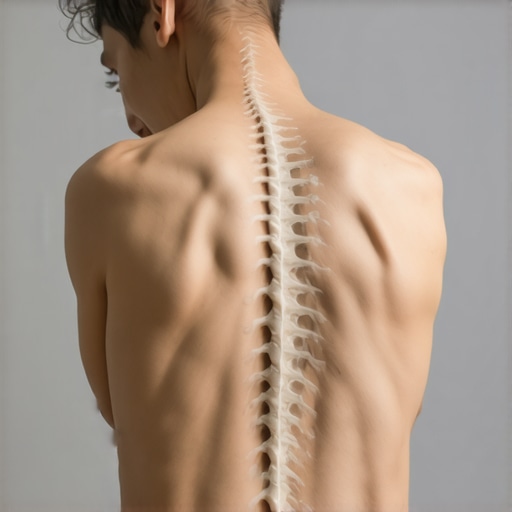
Ever been in a moment where you’re trying to casually stretch, maybe reaching for something on a high shelf, only to feel your mid-back refuse to cooperate? That sharp, frustrating sensation of being stuck—like your spine just won’t bend—can be infuriating. I remember the first time I experienced it; I was trying to turn my torso during a yoga class, and suddenly, I felt a pinpoint of tension that froze my movement. It was eye-opening and prompted me to ask, “Why is my mid-back locking up like this?” That question has led me down a journey of understanding posture, mobility, and the common mistakes that keep us trapped in discomfort.
Breaking Free from the Mid-Back Stuckness
So, what’s really going on when your mid-back won’t twist? The truth is, our thoracic spine—the section of your back between your neck and lower back—is designed for mobility. However, poor posture habits, repetitive movements, or even certain sleeping positions can cause this area to become stiff, or worse, glued in a protective freeze mode. When I first learned about this, I made a classic mistake: I assumed the problem was just muscle tightness that would loosen with a simple stretch. Turns out, the cause was deeper—related to spinal alignment and the health of the surrounding tissues.
One key to fixing this is understanding that mobility issues often stem from a combination of muscular tension and structural misalignment. That’s why I recommend a comprehensive approach, incorporating gentle spinal adjustments and targeted mobility exercises. For example, practicing specific movements like thoracic rotations can unlock those stubborn muscles, but only if your spine is properly aligned first. For practical tips on maintaining flexibility and preventing that frustrating stuck feeling, check out our detailed guide on [simple adjustments to relieve back pain](https://chiromasteryz.com/unlocking-better-posture-simple-adjustments-to-relieve-back-pain). Remember, small, consistent changes can significantly improve your ability to twist freely.
Are you tired of that frozen mid-back every time you try to turn? Maybe you’ve already tried stretching, only to find it doesn’t quite do the trick. You’re not alone. Many people fall into the trap of thinking that stiffness is just about stretching muscles, but often, the real issue is spinal imbalances or joint restrictions. An early mistake I made was neglecting the importance of proper posture throughout the day, which only exacerbated the stiffness. Once I corrected my posture, unlocking my mid-back became much easier.
In the next sections, we’ll explore specific strategies that address the root causes of back stiffness, and I’ll share simple, effective techniques that can help you regain your mobility and say goodbye to that stuck feeling for good.
Start with Proper Alignment
Imagine your spine like a backbone of stacked blocks—when they’re misaligned, the whole structure wobbles. During my first attempt to improve my thoracic mobility, I realized that aligning my shoulders over my hips was crucial. Before diving into stretches, stand against a wall, gently tuck your chin, engage your core, and press your lower back into the wall. This simple check ensures your spine is in the correct position, preventing compensations during exercises.
Implement Targeted Mobility Movements
One of the most effective moves I incorporated was the thoracic rotation. Lie on your side with knees bent at 90 degrees, arms extended in front, and slowly twist your upper body to the opposite side. As I practiced this daily, I noticed my twist became smoother, and the painful frozen feeling less frequent. Remember, move slowly, breathe deeply, and avoid forcing the motion—quality over quantity.
How to Enhance Effectiveness
To deepen the stretch safely, place a pillow under your knees to support your lower back and ensure your shoulders stay grounded. Focus on turning your chin in the direction of the twist to avoid neck strain. It’s like turning a steering wheel—move smoothly and deliberately, not jerking.
Use Resistance for Strength and Stability
Building strength around the thoracic spine helps maintain mobility. I added wall presses with light resistance bands, mimicking opening and closing your arms like a giant butterfly. This reinforcement, combined with mobility work, prevented stiffness from creeping back. Start with gentle resistance, aiming for controlled, deliberate movements. Over time, your mid-back will gain resilience, making it less prone to locking up.
Incorporate Daily Postural Habits
Posture is the foundation of long-term mobility. A small tweak I made was adjusting my workspace setup—raising my monitor to eye level and using an ergonomic chair. This prevented me from hunching forward, which was a common cause of thoracic stiffness. Regularly check your sitting and standing positions; it’s like tuning your car’s alignment—small adjustments keep your system running smoothly.
Integrate Breathing and Relaxation Techniques
Deep diaphragmatic breathing helps relax tense muscles and improves tissue flexibility. During my practice, I focused on slow inhales and exhales, consciously releasing tension from my shoulders and back. Combining breathwork with gentle movement creates a soothing rhythm, making each session more effective and less stressful for your tissues.
Be Consistent and Patient
Recovery doesn’t happen overnight. I committed to these steps daily, and even when I felt progress was slow, I persisted. Over weeks, the stiffness diminished significantly, and twisting motions became fluid again. Think of your spine like a rusty hinge—regular lubrication keeps it moving freely. Consistency ensures that these improvements become permanent parts of your routine.
Many assume that simply standing upright or doing quick stretches fixes their back issues, but the reality is far more nuanced. A common misconception is that posture correction is solely about aligning bones; however, this oversimplification ignores the complex interplay of muscular, neurological, and structural factors. For example, prevailing advice often suggests that slouching is always bad and that a ‘perfect’ posture exists, but recent research indicates that variability and adaptability are crucial for spinal health. In fact, rigidly forcing yourself into an ideal posture without addressing underlying tissue tension and joint restrictions can lead to muscle imbalances and even exacerbate pain. An important nuance is recognizing that static posture is less important than dynamic movement quality and tissue resilience. Many patients I’ve worked with believed they simply needed to hold a certain position, but real progress involves understanding how micro-movements, breath work, and tissue flexibility contribute to sustained alignment. Be cautious of traps like over-relying on external supports or braces, which can weaken intrinsic muscular control over time, leading to dependency and further dysfunction. Instead, focus on integrated approaches: targeted mobility drills, neuromuscular re-education, and daily spinal adjustments, as outlined in our post on [daily adjustments to alleviate back pain and improve posture](https://chiromasteryz.com/daily-adjustments-to-alleviate-back-pain-and-improve-posture). Additionally, avoid the myth that pain is always a sign of injury; often, it reflects the nervous system’s protective response to tissue stress or imbalance, not necessarily tissue damage. Advanced practitioners understand that effective intervention hinges on a personalized assessment — identifying which tissues are stiff, weak, or overly tense — and addressing those specific issues rather than relying on generic ‘posture correction’ tips. For instance, a stiff thoracic spine might require mobilization techniques that go beyond static correction, such as soft tissue work combined with controlled movement patterns. Recognizing these nuances helps prevent ongoing frustration and setbacks. One advanced question I encounter frequently is: How do I differentiate between structural restrictions and habitual posture patterns? A good starting point is consulting an experienced specialist who can perform detailed assessments, including joint mobility tests and tissue quality evaluations. Remember, the goal is to restore functional movement and tissue health—not just to achieve a textbook posture. If you’d like to explore comprehensive methods for improving back health, check out our resource on [effective posture tips for 2025](https://chiromasteryz.com/unlock-better-back-health-effective-posture-tips-for-2025). Have you ever fallen into this trap? Let me know in the comments.Maintaining optimal back health over the long haul requires more than an occasional stretch—it involves investing in precise tools and consistent routines that promote spinal integrity and mobility. One of my go-to tools is the foam roller, but not just any. I prefer a medium-density foam roller, which allows me to target my thoracic and lumbar areas effectively without risking unnecessary pressure. I personally use the Rumble Roller because its textured surface provides a deeper massage that helps release muscle knots and adhesions, especially after long periods of sitting or lifting. Regular soft tissue work with the right foam roller keeps my tissues pliable and prevents stiffness that leads to pain.
Another essential aspect is Pilates rings or resistance bands. I integrate lightweight resistance bands into my daily mobility routines—not just for strength, but for controlled elongation and joint stabilization. For example, using a resistance band during thoracic opening exercises helps reinforce correct movement patterns and prevents compensation that could lead to injuries. I’ve found that these bands are particularly effective for promoting proper scapular movement, essential for upper back health.
Technology has also become a vital part of my routine. Apps like the Chiromasteryz Mobility Coach help me track my daily progress and ensure I’m balancing mobility with stability. These apps incorporate guided routines that adapt over time, aligning with my evolving needs while keeping me accountable. Additionally, wearable posture monitors provide real-time feedback, alerting me when I slack in maintaining optimal alignment during work or daily activities. This immediate correction reinforces muscle memory and reduces the habit of poor postural habits that contribute to back pain.
Looking ahead, I believe the integration of biofeedback devices will become even more sophisticated. These devices will not only alert you in real-time but could also suggest specific movements or stretches based on your posture, akin to having a personal trainer in your pocket. As technology advances, customizing long-term back maintenance will become easier and more precise.
### How do I maintain my back health over time?
The secret lies in consistent, targeted routines combined with the right tools. My advice is to commit to a daily 5-minute session with your foam roller and resistance bands, ensuring you’re addressing tissue restrictions and joint mobility early before discomfort develops. Incorporate app-guided routines that push your flexibility gradually and use posture monitors throughout your workday to reinforce good habits. This multi-pronged approach creates a resilient back capable of enduring daily demands without pain or restriction.
A specific technique I highly recommend trying is the deep thoracic release with a textured foam roller. Studies, such as those summarized in the technical guidelines by the International Journal of Therapy and Rehabilitation, show that targeted soft tissue work can significantly improve spinal movement and reduce pain. Incorporate this into your routine at least three times a week, and you’ll notice increased ease in twisting and bending.
By continually employing these tools and habits, you set the stage for lasting mobility and comfort. Remember, your back’s health is an ongoing investment, not a one-time fix. For a comprehensive understanding of integrating tools into your routine, consider exploring our resource on [daily adjustments to alleviate back pain](https://chiromasteryz.com/daily-adjustments-to-alleviate-back-pain-and-improve-posture). Don’t wait for pain to remind you—start today with one tool or move that resonates with your lifestyle.
Lessons That Changed My Approach to Spinal Freedom
One of the most profound realizations I had was that true mobility isn’t just about stretching muscles—it’s about restoring harmony between joints, tissues, and neurological pathways. I once believed that daily stretches alone would free my mid-back, but I overlooked the importance of addressing structural misalignments first. Now, I see that patience and precision in adjustments are crucial for lasting change.
I also learned that knowing when to push and when to pause can make a difference. Rushing into deep rotations without proper alignment can backfire, leading to increased stiffness or even pain. Tuning into my body’s signals taught me that slow, mindful movements coupled with proper posture habits produce better results than aggressive stretching.
Finally, integrating breathwork during mobility exercises unlocked even greater progress. Deep, diaphragmatic breathing relaxed tight tissues and enabled smoother movement, which I hadn’t appreciated before. This holistic approach, blending alignment, patience, and breath, transformed my understanding of back mobility.
My Top Tools for Back Balance and Ease
The foam roller, especially textured ones like the Rumble Roller, became a game-changer in releasing muscle adhesions safely. It’s my go-to for soft tissue prep before mobility drills. I also swear by resistance bands, such as the Gentle Tension Bands, which strengthen stabilizers while improving tissue elasticity—important for maintaining mobility over time.
Guided routines from the Chiromasteryz Mobility Coach app have kept me consistent and focused. They adapt to my progress, preventing plateaus. Additionally, wearable posture monitors have provided real-time feedback, helping me develop better habits during work and daily activities. These tools, combined with reliable resources like our post on [simple adjustments to relieve back pain](https://chiromasteryz.com/unlocking-better-posture-simple-adjustments-to-relieve-back-pain), form my arsenal for lifelong back health.
Your Next Step: Embrace Change Today
Remember, achieving sustainable mid-back mobility isn’t a quick fix; it’s a commitment to daily awareness and gentle, consistent work. Every small step adds up—your future self will thank you for investing in your spinal resilience now. Whether it’s grabbing that foam roller or implementing mindful posture checks, start where you are and keep moving forward.
What’s one habit you can tweak today to improve your back mobility? Share your goals below—I’d love to hear how you’re taking action towards a healthier spine!