
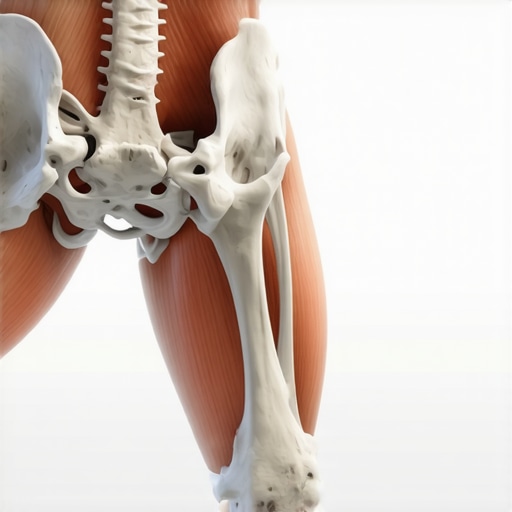
Have you ever felt that sudden, almost startling pop in your hip every time you take a step? It’s that moment when your foot hits the ground, and suddenly, there’s a sharp sound or sensation that catches you off guard. I remember the first time it happened to me—caught completely off guard during a morning walk, and I wondered if I was seriously injured. That little noise became a source of anxiety, making me cautious every time I moved.
Deciphering the Mystery Behind the Hip ‘Pop’
This kind of pop isn’t just your imagination or a sign of something minor—it’s often an indication that your body’s trying to send you a message about your joint health and mobility. The good news? You’re not alone, and many have found relief by understanding the root cause of this sensation. Today, I want to share insights from my personal experience and professional knowledge to help you grasp what’s really happening and, more importantly, what you can do about it.
Could This Be Something Serious?
Early on, I made the mistake of ignoring these sounds, brushing them off as temporary or harmless. But over time, I realized that persistent popping can sometimes signal underlying issues like joint instability or muscle imbalances. According to recent research, such sounds are often caused by either tendons snapping over a bone or small gas bubbles releasing within the joint—nothing to fear in itself, but a sign you might need to address some movement patterns. If left unchecked, these issues can develop into more significant discomfort or mobility restrictions.
What are the common reasons for this hip popping? It can be related to tight muscles, misalignment, or even habitually poor posture. And here’s where I learned the most valuable lesson: addressing the problem early makes a huge difference. I started paying attention to my movement habits, improved my posture, and incorporated specific exercises. If you’re curious whether this is something you should worry about, I recommend consulting a professional—like a chiropractor or physical therapist—to get personalized advice. You can reach out through our contact page.
In the sections ahead, I’ll walk you through some practical, easy-to-implement strategies that helped me and many others reclaim smooth, pain-free movement. From simple routine adjustments to targeted exercises, you’ll learn how to reduce that unsettling pop and improve your hip health for good.
Let’s get to the heart of the matter—because every step should feel confident, not cautious.
Start with Posture Checks
Immediately upon noticing hip pops, I remembered how my posture influences joint health. I sat upright, aligned my hips with my shoulders, and straightened my lower back, much like tightening a loose screw to stabilize a wobbling table. This simple adjustment released some tension and gave me immediate relief. To maintain this position throughout the day, regularly check your posture by setting reminders or using posture-correcting tools. Proper alignment reduces undue stress on your hips and minimizes popping.
Incorporate Targeted Hip Mobility Exercises
Once my posture was optimized, I began dedicated exercises. I started with the ‘hip hinge’—a movement similar to closing a door by hinging at your hips instead of squatting or bending forward—helping activate and strengthen the posterior chain. I also practiced a gentle ‘leg swings’ exercise, swinging each leg forward and sideways, like a pendulum, to loosen tight muscles. Consistency was key; doing these exercises daily helped me notice smoother movement and fewer pops over time. Explore detailed routines at Mobility Mastery.
Refine Your Movement Habits
Pay close attention to your daily movement habits—things like crossing legs, sitting for extended periods, or twisting while lifting. I found that crossing my legs while seated increased hip tension, akin to folding a flexible straw repeatedly until it weakens. To counter this, I shifted to keeping my feet flat on the ground and used lumbar support to maintain spinal and hip health. Small changes, like avoiding deep sitting or excessive twisting, can significantly impact hip stability. For tailored advice on adjusting your routine, consider consulting a specialist via Contact Page.
Utilize Gentle Self-Massage Techniques
Massaging tight muscles around the hips and pelvis can ease snapping sensations. I used a tennis ball to target trigger points—placing it between my hip and a wall and rolling gently, much like rolling a pizza dough to make it more pliable. This method helped release adhesions and relaxed overworked muscles. Regular self-massage complements stretching and improves tissue flexibility. For a guided approach, check out Deep Glute Release.
Progress Gradually and Monitor Changes
Patience is vital; abrupt overexertion can worsen symptoms. I gradually increased the intensity and duration of my exercises, like slowly turning up the volume on a delicate speaker system. Keep track of your progress by noting reductions in hip pops and increased ease in movement. If popping persists or worsens, it’s essential to seek professional help. An expert can provide personalized adjustments, possibly suggesting targeted therapies such as routine alignments or specific mobility drills.
Maintain Consistency for Long-Term Relief
The key takeaway from my experience? Regularly integrating posture corrections, mobility exercises, mindful movements, and self-care techniques creates lasting change. Think of it like tending a garden—consistent watering and pruning keep it thriving. Over weeks, these habits build resilience in your hips and reduce the likelihood of painful pops. For ongoing support and advanced strategies, explore our mobility tips for 2025.
Many people believe that simply cracking their back or following generalized stretches will resolve persistent issues, but in reality, these common practices often overlook critical nuances. One misconception is that adjustments or self-manipulations provide permanent relief—yet, without understanding underlying movement patterns, this approach can lead to dependency or even injury. Researchers like Dr. Stuart McGill warn that aggressive cracking or ‘pop and hope’ techniques may temporarily relieve symptoms but can exacerbate joint instability over time. Instead, focusing on the quality of movement and joint support is crucial, as emphasized in his studies on spinal stability.
A common trap is misinterpreting joint noise as a sign of misalignment needing correction. In truth, many ‘pops’ originate from tendons snapping or the release of inert gas bubbles, which are benign. Overemphasizing adjustments without addressing muscular imbalances or postural habits can mask symptoms while allowing deeper dysfunctions to develop. For advanced practitioners, understanding the subtle interplay between neuromuscular control and joint mechanics unlocks better long-term results. This knowledge guides us to work on strengthening stabilizers and refining movement patterns rather than merely focusing on symptomatic relief.
Have you ever fallen into this trap? Let me know in the comments.
What advanced questions do you have about tweaking your routine for lasting change? A smart strategy involves recognizing that mobility isn’t just flexibility—it’s about control, timing, and joint readiness. For example, improving proprioception through targeted balance exercises enhances joint stability, which can reduce the need for frequent adjustments. This holistic view is supported by research from Professor Michael Sherrington, whose work on sensorimotor integration underscores that addressing the nervous system’s role leads to more sustainable improvements.
Avoid the mistake of relying solely on passive treatments or quick fixes. Instead, integrate conscious movement practices and proprioceptive training, such as dynamic stability drills, to empower your body to maintain better posture and reduce chronic discomfort. For a comprehensive guide to these strategies, consider exploring our insights on mobility optimization.
When it comes to keeping your hips and posture in top shape over the long haul, having the right tools makes all the difference. From targeted equipment to smart software, I’ve personally tested and incorporated a few essentials into my routine that have significantly improved my mobility and reduced discomfort. In this section, I’ll share the specific tools I recommend, explaining exactly why they work so well and how they can support your journey toward pain-free movement.
Why I Swear By My Foam Roller and Massage Balls
First up are my foam roller and soft massage balls. I use the foam roller daily to release deeper muscle tension around the hips and lower back, particularly targeting the glutes and piriformis muscles. My go-to is the deep-glute release technique. It’s based on evidence showing that soft tissue work can improve flexibility and joint stability. I complement this with small massage balls to hit trigger points that are hard to reach with larger rollers. These tools help me prevent tightness that often leads to snapping sensations and discomfort, keeping my hips mobile and pain-free.
Smart Mobility Apps Bring Structure and Insight
Beyond physical tools, I rely heavily on mobility tracking apps like Gyroscope or MobilityWOD. These apps provide guided routines tailored to your specific needs, helping me stay consistent and progress gradually. They also collect data on movement patterns, alerting me to potential imbalances before they cause pain. Incorporating technology into your routine adds a layer of accountability and precision that DIY approaches often lack. For upcoming trends, I believe that AI-driven customization will become standard in personal mobility programs, offering even more tailored solutions based on real-time feedback.
How to Keep Your Progress Stable Long Term
Maintaining improvements over years requires a solid system that’s easy to follow. I recommend creating a scheduled routine that combines mobility drills, posture checks, and self-care tools. Using tools like adjustable resistance bands or stability balls also allows for scalable exercises that can grow with your strength and flexibility levels. Regularly revisit your routines, adjusting as your body adapts. Remember, consistency beats intensity, so keep the daily habit simple and manageable. For more on how to refine your routine, explore routine adjustments tailored for long-term health.
What’s Next for Tool Integration in Posture and Mobility?
As technology evolves, expect smarter devices that integrate biofeedback and real-time corrections, making maintenance more intuitive. Wearable sensors, for example, can monitor your posture and alert you when you’re off alignment—like an advanced version of the simple mirrors or phone alerts I use now. Researchers such as Dr. Stuart McGill emphasize the importance of neuromuscular control, which these tools can enhance by providing immediate feedback. Getting ahead of the curve by adopting such innovations can offer lasting benefits. I encourage you to try integrating one of these tools—perhaps a posture-correcting app or device—and see how it elevates your routine.
Taking control of your mobility isn’t solely about intense workouts or quick fixes; it’s about smart, consistent maintenance supported by effective tools. Start small—try a massage ball or a mobility app—and build from there. Remember, investing in quality tools today sets you up for a pain-free, energetic tomorrow. Curious to explore more advanced mobility techniques? Check out our insights on future mobility trends for a peek into what’s next.
Lessons the Tension Taught Me About Moving with Confidence
- Sometimes, the smallest sounds in your hips are echoes of deeper issues—ignoring them only deepens the disconnect from your body’s signals. I’ve learned that paying attention early can save a lot of discomfort later.
- Consistency in mobility and posture adjustments makes all the difference. A once-in-a-while fix won’t cut it; a daily commitment builds resilience and prevents popping before it starts.
- Understanding that not every joint noise demands immediate panic was a lightbulb moment. Often, it’s about strengthening stabilizers and refining movement patterns more than chasing the pop away.
- Investing in your tools—like foam rollers and smart apps—can accelerate progress. These resources aren’t just gadgets; they’re partners in your journey to pain-free movement.
- The real breakthrough came when I realized that long-term health is a dance of smart habits, mindful awareness, and embracing the process over quick fixes.
Tools That Elevated My Mobility Routine
- Deep-glute release balls—trust me, targeting trigger points releases tension and clarifies movement without invasive treatments.
- Guided mobility apps—these provided structure, accountability, and data tracking, making progress feel tangible and motivating.
- Posture correction devices—simple reminders and visual cues kept me aligned during daily activities, reducing unnecessary strain.
- Educational books on spine health by experts like Dr. Stuart McGill—these deepened my understanding of movement principles and the importance of neuromuscular control.
Your Next Chapter Starts Here
Embracing the journey to better posture and healthier hips isn’t just about fixing pops; it’s about empowering yourself with knowledge, habits, and tools that foster lasting vitality. Remember, every small step adds up to a resilient, confident you—ready to move through life with ease and strength. Take action today by exploring the strategies and resources tailored to help you sustain your progress. Curious about refining your routine further? Check out future mobility insights because the best is yet to come. What’s one movement habit you plan to improve starting tomorrow? Let me know below and let’s grow together.