

Ever caught yourself in the mirror, noticing your head jutting forward like a ghost from the past? I remember the moment vividly. After sitting at my desk for hours, I looked up, only to be greeted by a neck that felt stiff and a posture that screamed ‘I’ve been slumping all day.’ It was a lightbulb moment—realizing my daily habits had subtly but surely been pulling my neck into a terrible position. Maybe you’ve experienced the same frustration, feeling that persistent ache or that tired, heavy feeling at the end of the day.
The Struggle We All Know Too Well
For years, I brushed off the discomfort, attributing it to simple fatigue. But slowly, I started noticing more than just discomfort. My posture was worsening, and I even caught myself leaning forward more than I’d like, especially during long work sessions. It’s a common story—our modern routines, from endless screen time to poor ergonomics, are turning us into slumpers. And the worst part? We often don’t realize how much our habits are turning our bodies against us until that nagging pain becomes a constant companion.
Fortunately, I stumbled upon a simple yet powerful exercise targeting the deep neck flexors. The moment I started regularly practicing this drill, I noticed a change—less tension, better posture, and a surprising boost in my overall well-being. This isn’t some miracle cure. It’s a targeted routine backed by research—did you know that weak deep neck flexors are often the root cause of forward head posture? A study published in Clinical Biomechanics confirms that strengthening these muscles can drastically improve head alignment.
Promise: We’ll Fix Forward Head Posture Together
Today, I want to share exactly how this drill, combined with mindful adjustments, can help undo years of poor posture. Whether you’re battling neck pain, headaches, or just that nagging feeling of misalignment, this approach is about giving your body a reset—no fancy equipment needed, just a bit of dedication and consistency.
Will This Really Make a Difference or Just Be Another Fad?
Trust me, I’ve been there. Early on, I made the mistake of believing quick fixes were enough—that stretching alone could solve my issues. But without targeting the deep muscles responsible for proper support, I was just poking around the surface. That mistake cost me pain and wasted time. Now, I swear by exercises like this drill, which hit the core of the problem—literally—helping me stand taller and move more comfortably. Want to learn how to do it properly? Keep reading, because the solution might be easier than you think.
Start with Awareness and Setup
Before diving into exercises, assess your current posture. Sit in front of your computer and observe if your head juts forward or your shoulders hunch. Use a mirror or record yourself to identify patterns. Think of your body as a building: if the foundation tilts, everything on top becomes misaligned. Adjust your workspace ergonomically—raise your monitor to eye level, ensure your chair supports your lower back, and keep your feet flat on the ground. Small tweaks here can prevent habitual slouching and prepare you for targeted exercises.
Implement Deep Neck Flexor Training
Perform the Chin Tuck Properly
Lie on your back or sit upright. Gently tuck your chin in as if trying to make a double chin, without tilting your head down or up. Hold for 5 seconds, then relax. Repeat for 10 reps daily. When I first tried this, my neck felt tense at first, like pulling a stubborn knot. Persistence gradually loosened that tension, and I noticed my posture improved within a week. This move trains the deep muscles that pull your head back into alignment, counteracting the forward pull
Use Real-Time Feedback
Place a small mirror or use your camera to monitor your chin tuck. Focus on keeping your neck long and shoulders relaxed. Consider recording your reps to track progress. Over time, your brain will create muscle memory, making correct posture automatic. Remember, it’s a slow process—like steering a large ship, small adjustments lead to a significant change in direction. For comprehensive strategies, check out posture correction tips.
Supplement with Mobility Moves
Enhance your progress by incorporating mobility exercises that loosen tight muscles contributing to poor posture. The thoracic spine, or mid-back, often becomes stiff from prolonged sitting, pulling the head forward. To combat this, try the wall thoracic extension: stand facing a wall, place your forearms on it, and gently extend your upper back. Think of it as opening a window to let fresh air flow through a clogged vent—restoring natural movement. Regularly practicing this move can significantly improve your upper chain’s flexibility and support proper head positioning. For detailed routines, explore mobility strategies.
Adopt Daily Habits for Long-Term Alignment
Beyond exercises, habitual changes reinforce your progress. Set reminders to check your posture every 30 minutes. During phone calls, use a headset instead of cradling it between your shoulder and ear. When walking or standing, imagine a string lifting the crown of your head. This mental cue helps maintain alignment and prevents slouching. Think of it like tuning a guitar: regular tweaks keep the string in perfect pitch. Small, consistent habits over weeks create lasting change.
Track Your Progress and Adjust Accordingly
Monitor your improvements by periodic self-assessments. Take photos or record videos from different angles to compare posture over time. If you notice persistent issues, revisit your setup and refine your exercises. Sometimes, what worked in the beginning needs a tweak—such as increasing hold times or adding resistance with minimal weights. The key is patience and persistence—much like building a muscle, posture correction demands consistent effort over time. For advanced tips, visit posture adjustment techniques.

Most people believe that correcting posture is primarily about stretching and simple adjustments, but this oversimplification masks a complex reality. A common myth is that holding a perfect posture at all times is the goal, yet this can lead to rigidity and even strain. In reality, our bodies thrive on dynamic movement and nuanced control. For example, emphasizing static alignment can cause us to tighten muscles unnecessarily, creating new pain points instead of relieving existing ones. This paradox highlights that posture isn’t just a set position but a fluid state enabled by proper mobility and muscular coordination.
Another often-missed nuance is the tendency to focus solely on the neck and shoulders without considering the pelvis and lower back. Many believe that addressing upper body alignment alone suffices, but research indicates that pelvic positioning directly influences spinal load and neck posture. Ignoring the pelvis creates a disconnect; you may fix your head position temporarily, yet underlying misalignments persist, eventually manifesting as persistent back or hip pain. Strengthening core muscles and integrating mobility work for the hips and pelvis—such as through mobility exercises—are crucial steps often overlooked in typical routines.
What do many get wrong about mobility training?
One critical mistake is assuming that static stretching alone improves mobility and reduces pain. While stretching can increase flexibility temporarily, real progress involves dynamic and controlled movements that retrain the nervous system. Overemphasizing passive stretches may lead to hypermobility in certain joints and instability elsewhere. Advanced mobility programs, which incorporate proprioception and joint control, are proven more effective. For instance, applying concepts from mobility mastery methods can help develop stability alongside flexibility, preventing injury and chronic pain.
Additionally, many are unaware of the impact of habitual habits—like how prolonged sitting subtly alters tissue tension, leading to compensations and pain. Small, repetitive habits not only prevent proper movement but also embed poor patterns into the nervous system. Recognizing and modifying these habits, such as through daily adjustments detailed in routine realignments, are often overlooked steps that yield long-term benefits.
Despite these insights, people often fall into the trap of chasing quick fixes or focusing on isolated exercises. Remember, comprehensive improvement requires a nuanced understanding of how muscles, joints, and nervous system interplay. For a deeper dive into correcting these hidden pitfalls, explore cornerstone content like posture correction strategies or effective back health tips for 2025. These resources can help you decode the subtle missteps that keep you from achieving lasting relief.
Are you still making these common mistakes? Let me know in the comments, and remember that understanding these nuances is half the battle won in reclaiming healthy posture and pain-free movement!
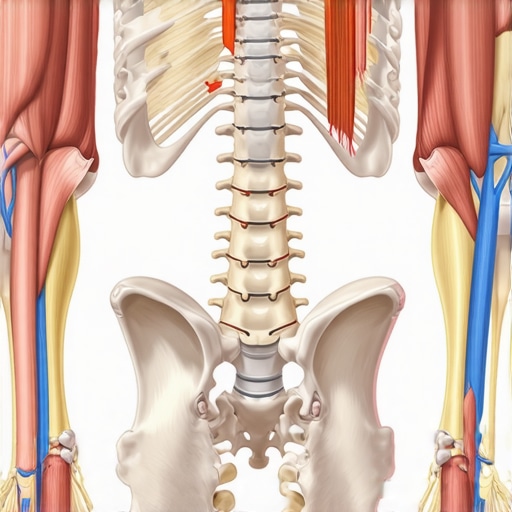
Keeping It Working: Tools and Techniques for Long-Term Posture Success
Once you’ve made initial strides in correcting your posture and alleviating back pain, the challenge shifts toward maintaining those improvements over time. This is where the right tools and consistent maintenance routines become essential. Personally, I rely on a combination of ergonomic accessories, mobility aids, and specialized software to keep my progress sustainable. These tools serve as both reminders and support systems, ensuring that good habits become second nature.
For example, I highly recommend incorporating a quality posture reminder app that prompts you to check your alignment throughout the day. Apps like PostureZone or Upright Go use sensors or visual cues to alert you whenever you’re slipping back into slouching. I’ve found these subtle nudges invaluable—they cultivate mindfulness without being intrusive. Over time, they help retrain your nervous system to maintain proper alignment subconsciously.
Ergonomic equipment is equally vital. An adjustable standing desk allows me to alternate between sitting and standing, reducing the strain on my lower back and neck. Investing in an ergonomic chair with lumbar support ensures that even when seated for extended periods, my spine stays aligned. Remember, minor adjustments to your workspace can prevent poor habits from creeping back in. For more detail on optimizing your environment, explore effective back health tips for 2025.
Maintaining mobility is another cornerstone. Regularly practicing mobility exercises, like thoracic stretches or hip activations, keeps your tissues supple and your muscles responsive. Using tools like foam rollers or massage balls can help release tension in tight areas before it becomes problematic. I personally incorporate a soft massage ball into my daily routine to target persistent knots, especially around the hips and lower back. These small, proactive steps prevent regressions and support long-term health.
Predicting future trends, technology in biofeedback and wearable sensors will likely become more integrated and sophisticated, providing real-time data to fine-tune postural habits effortlessly. Expect to see more seamless devices that not only alert you but also guide corrective movements, making maintenance even more effortless.
How do I maintain posture improvements over time?
Consistency is key. Establish daily habits that reinforce good posture, such as 5-minute mobility routines, ergonomic workspace setups, and periodic self-assessments. Incorporating mindfulness practices like body scanning and breathing exercises can also deepen awareness. Remember, progress isn’t a one-time achievement but a continuous journey, supported by smart tools and disciplined routines. To reinforce your efforts, consistent use of mobility strategies, as outlined in mobility exercises, can be transformative.
In fact, one advanced tip I recommend trying is integrating a brief daily spinal rotation drill. Just 30 seconds in your day can enhance flexibility and realign your vertebrae, preventing stiffness and slump resurgence. Make this part of your morning routine, and you’ll lay a strong foundation for ongoing health.

Remember, investing in your setup and staying proactive with mobility and mindfulness will keep your progress enduring. Keep your tools close and your habits disciplined—your back will thank you for it.
The Hardest Lesson I Learned About Posture and Mobility
One of the most eye-opening realizations was understanding that fixating on static alignment can sometimes do more harm than good. I used to aim for perfect posture at all times, but I found this approach led to unnecessary muscle tension and fatigue. Instead, embracing dynamic movement and muscle activation proved far more effective in maintaining long-term health.
Why My Focus on Core Muscles Made All the Difference
Initially, I thought relieving back pain was about stretching and relaxing, but I discovered that strengthening the deep stabilizers, especially around the pelvis and lower back, was crucial. Incorporating targeted drills like the ones I recommend in posture correction tips eventually transformed my posture from fragile to resilient, and my pain diminished significantly.
Little Habits That Keep You from Moving Forward
I realized that small daily habits, such as slouching during phone use or neglecting ergonomic setup, can undo months of progress. Developing mindful routines—like periodic posture checks and simple mobility breaks—became essential in my journey. These habits serve as mental cues that reinforce the importance of consistent care, reminding me that recovery is an ongoing process rather than a one-time fix.
Why Patience Outweighs Quick Fixes in Posture Correction
Reclaiming correct posture took time, and understanding this slowed me down. Embracing patience and trusting the process helped me stay consistent with exercises like deep neck flexor drills. Real improvements didn’t happen overnight, but with time, I experienced a sense of liberation—standing taller, moving freely, and feeling more confident in my body’s capabilities.
My Customized Toolbox for Lasting Posture Wellness
Over years of trial and error, I assembled a set of tools that keep my posture in check. From ergonomic accessories like adjustable desks to mobility aids such as foam rollers and massage balls (like the soft massage ball), each piece plays a role in my daily routine. Integrating these ensures that good habits become second nature, and setbacks are minimized. More comprehensive resources like effective back health tips for 2025 help me stay ahead of potential issues.
Believe in Your Capacity to Transform Your Posture
The journey toward better posture and relief from back pain is personal and ongoing. My advice is to start with small, manageable steps—consistent exercises, mindful habits, and the right tools. Each effort compounds over time, creating a transformation that empowers you to stand tall and move freely. Remember, your body is resilient, and with patience and commitment, you can redefine what’s possible.
What small habit will you change today to support your posture journey? Share your plans below—I’d love to hear your story!