
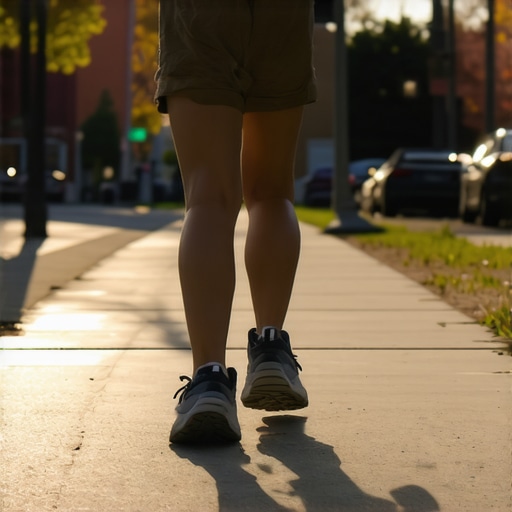
It happened again today. I was strolling through the park, feeling pretty good, when suddenly I caught myself walking awkwardly, my feet veering inward more than they should. That uncomfortable, almost embarrassing sensation of your feet turning inwards — it’s something I’ve wrestled with for years. And honestly? For a long time, I just accepted it as part of the package, thinking it was normal. But I’ve learned something valuable that I wish I knew sooner: you don’t have to suffer through this alone, and more importantly, there are simple fixes that can make a real difference.
Why Your Feet Roll In and Why It’s a Big Deal
The tendency for your feet to turn inward when you walk isn’t just about aesthetics. It can lead to a range of problems, from plantar fasciitis to hip pain, and even back discomfort. Over time, this abnormal gait can alter your biomechanics, putting extra pressure on joints and muscles that weren’t designed to handle such mishaps. Initially, I dismissed it as a minor quirk, but I noticed how it progressively affected my posture and stamina.
What causes your feet to roll in? Often, it’s a combo of muscle weakness — especially in the glutes and hips — and tightness in the calves and inner thighs. Also, a lack of awareness about proper walking technique can exacerbate the problem. I remember early on, I made the mistake of ignoring my sluggish glutes and focusing only on my calves, which only worsened my foot positioning. A quick look into expert advice pointed me toward targeted exercises and adjustments, like the ones found [here](https://chiromasteryz.com/posture-correction-secrets-that-transform-back-pain-outcomes), which have been game-changers.
Are you tired of feeling self-conscious or experiencing discomfort every time you take a step? If so, you’re not alone. Many people face this issue daily and aren’t sure where to start. The good news is, fixing inward rolling feet is often about retraining your muscles and mind, which I’ll guide you through step-by-step.
But before we get into the practical bits, I want to address a common concern. Many of us wonder, “Is this really worth my time?” or dread the idea of complicated exercises that won’t fit into a busy schedule. Trust me, I felt the same way initially, but small, consistent changes are what lead to lasting improvement. The key is understanding that your body is a system, and addressing even tiny weaknesses can have a ripple effect that improves your walking, posture, and even alleviates back pain. For more insights on how daily adjustments can make a long-term difference, check out [this article](https://chiromasteryz.com/adjust-your-routine-daily-spinal-alignments-for-lasting-relief).
Targeted Exercises to Strengthen Your Glutes and Hips
One of the most effective ways to stop your feet from rolling inward is to activate and strengthen your glutes and hip muscles. I vividly recall a morning I dedicated just five minutes to a simple glute bridge—lying on my back, knees bent, feet flat on the floor—and squeezing my glutes as I lifted my hips. The first few reps felt awkward, but consistency quickly paid off. Aim for three sets of 15 repetitions daily, focusing on proper form. This exercise helps rebalance your pelvis, reducing inward foot roll and supporting better overall posture. Incorporate this routine and observe how your walk begins to feel more natural over a week.
Stretching Tight Calves and Inner Thighs
Muscle tightness often drags your feet inward. I recommend starting with a standing calf stretch: place your hands against a wall, keep one leg straight behind you, press the heel into the ground, and gently lean forward. Hold for 30 seconds on each side, repeating twice. Additionally, a butterfly stretch targets the inner thighs: sit with feet together, knees outward, and gently press the knees toward the floor. Regularly stretching these areas increases flexibility, easing the inward pull. I noticed that after just three days of consistent stretching, my ankles felt looser, and my feet stopped turning in as much during walks.
Adjusting Your Walking Technique
Often, subconscious habits cause inward rolling. One effective strategy is to consciously focus on heel-to-toe walking. When I caught myself rolling inward, I paused, visualized placing my heel directly under my hip, and rolled onto the ball of my foot with each step. Doing this for several minutes daily retrains your neural pathways. Over time, this conscious correction helps your muscles adapt, promoting a more neutral gait. Remember, small consistent efforts to modify your walk can profoundly impact your posture and reduce foot roll.
Use of Supportive Footwear and Orthotics
Choosing the right shoes makes a significant difference. I transitioned from worn-out sneakers to supportive shoes with firm arch support and a slightly wider toe box. If foot rolling persists, consider custom orthotics, which can correct biomechanical issues by providing tailored support. I also found that insoles with medial arch support helped realign my foot during daily activities, decreasing inward movement. Routine checks on footwear condition and replacing worn shoes prevent the reintroduction of faulty mechanics.
Incorporating Daily Micro-Adjustments and Habits
Small daily habits add up. I started paying attention to my sitting posture—avoiding crossing my legs or tucking my feet underneath—since these positions encourage inward rotation. Additionally, I set reminders to stand, stretch, and reset my gait throughout the day, harnessing quickmobility routines. For a quick fix, the mobility exercises can be a game-changer. Consistency in these minor adjustments over time strengthens the muscles responsible for proper foot positioning, ultimately guiding you toward a healthier gait.Many believe that correcting posture is simply about standing tall and aligning joints perfectly, but in my experience, this oversimplification can lead to more frustration. A common myth is that all postural issues are purely mechanical, when in fact, neural and subconscious habits play a significant role. For instance, people often focus solely on ‘fixing’ their shoulders or hips without considering how ingrained movement patterns and reflexes influence their posture over time. This oversight can result in temporary fixes that quickly revert, or worse, cause discomfort from overcorrecting improperly.
One frequent trap is the misconception that static posture holds the key to back health. The truth is, our bodies are dynamic, and maintaining perfect alignment at rest doesn’t guarantee functional movement. In fact, rigid postural corrections can stiffen muscles, reducing mobility—a mistake I made early on, inadvertently causing more pain. Studies, such as those highlighted in the literature on motor control, demonstrate that flexibility and dynamic control are essential for sustainable posture improvements (source: [Master Your Mobility](https://chiromasteryz.com/master-your-mobility-top-strategies-for-moving-without-pain)).
How can advanced practitioners differentiate between superficial fixes and genuine, lasting change? The crucial step involves examining the body’s ause-and-effect hain. Are your muscles simply tight because of disuse or compensation? Or are your nervous system’s reflexes habituated to a maladaptive pattern? Sometimes, the real issue isn’t the visibly misaligned joint but the neurological habit that perpetuates poor alignment.
For example, a common mistake is to perform vigorous stretching of tight muscles without addressing the underlying neural inhibition. This can lead to overstretching tissues that are actively protecting the joint due to instability elsewhere. Instead, integrating neuromuscular re-education—through gentle activation and controlled movement—can retrain your body’s reflexive responses, leading to more natural and enduring postural corrections.
This concept emphasizes that posture is less about static positions and more about functional, adaptable movement patterns. A comprehensive approach combines strengthening, stretching, and, critically, neural recalibration. The risk in neglecting this nuance is that without addressing the nervous system’s role, any improvements are likely to be short-lived.
In essence, cultivating awareness of your body’s adaptive responses and neural habits, as discussed in [posture correction secrets](https://chiromasteryz.com/posture-correction-secrets-that-transform-back-pain-outcomes), is vital. It shifts the focus from superficial alignments to foundational movement quality. So next time you work on your posture, ask yourself: am I just fixing my appearance, or am I retraining the system for real? Keep this in mind to avoid the common pitfalls.
Have you ever fallen into this trap? Let me know in the comments.Maintaining good posture and mobility isn’t a one-time fix; it requires dedicated tools and consistent routines. I personally rely on a combination of targeted exercise equipment, digital resources, and mindful habits. One of my go-to tools is a soft massage ball, which I use regularly for deep glute releases—it’s incredible for breaking up tightness after long days, and I’ve found it to be an affordable, effective way to maintain pelvic stability. You can learn more about how to implement this technique in [this guide](https://chiromasteryz.com/the-deep-glute-release-using-a-soft-massage-ball). Additionally, incorporating apps like [Mobility Mastery](https://chiromasteryz.com/mobility-mastery-simple-exercises-to-relieve-chronic-back-pain) each morning helps me stay consistent with mobility routines tailored to my needs.
Hardware-wise, I recommend investing in supportive footwear with proper arch support. I personally transitioned to shoes with a slightly wider toe box, which aids in aligning my feet during active movement, minimizing inward roll. For persistent issues, custom orthotics can be a game-changer—I’ve worked with my chiropractor to develop inserts that fit my foot precisely, profoundly improving my gait over time. Routine footwear checks ensure that support isn’t compromised as shoes wear out.
On the software side, I utilize a simple reminder system—setting alarms to prompt micro-adjustments or stretches throughout the day. These little pauses help prevent muscle tightening from prolonged static positions. Personally, I assign specific routines, like the quick 2-minute spinal alignment exercises found [here](https://chiromasteryz.com/adjust-your-routine-daily-spinal-alignments-for-lasting-relief), to these prompts, making it easy to stay on track.
Looking ahead, I believe this trend emphasizes personalized, tech-assisted self-care. Wearable devices that track posture and movement patterns may become more sophisticated, offering real-time feedback and tailored recommendations.
**How do I maintain postural health over time?** Incorporating daily micro-movements, using supportive footwear, and leveraging digital tools create a sustainable approach. I urge you to try the deep glute release with a massage ball—it’s a simple change that can significantly impact your overall mobility and reduce back pain.
Remember, consistency is key. Small, intentional adjustments—like the ones discussed in [this comprehensive article](https://chiromasteryz.com/unlocking-better-posture-simple-adjustments-to-relieve-back-pain)—build up over weeks to long-lasting improvements. Want to take your routine further? Schedule a consultation to explore personalized strategies tailored to your needs [here](https://chiromasteryz.com/contact-us).
What Surprised Me Most About My Foot Roll Journey
One major realization was that simple exercises and mindful habits can dramatically change how your body moves—no fancy equipment required. I used to think correcting gait was complicated and needed intense therapy, but I discovered that consistent small adjustments matter more than I expected.
Another insight was understanding that neural habits, not just muscular tightness, keep feet turning inward. Addressing both through neuromuscular re-education transformed my walking pattern more effectively than stretching alone.
Lastly, I learned that personal awareness is the key—being mindful of your movements daily helps reinforce proper gait patterns. This mental component is often overlooked but essential for lasting change.
Tools and Tips That Changed My Approach to Better Mobility
My essential toolkit includes a soft massage ball, which I use regularly for deep glute and hip releases—it’s affordable and effective. For supporting my feet, supportive footwear with proper arch support made a big difference, and I also personalized orthotics to cater to my specific needs. Digital reminders and mobility apps have helped me integrate micro-adjustments into my routine seamlessly, ensuring consistency. These tools collectively made me realize that sustained progress relies on combining physical aids with habitual mindfulness.
Take Action Now and Reclaim Your Stride
Improving your gait and posture is within reach, and starting today can set a foundation for healthier movement. Small, deliberate efforts—like mindful walking and targeted stretches—can lead to significant long-term benefits. Remember, your body responds best to consistent, gentle cues rather than drastic overhauls. So, why not begin with just a few minutes of glute activation or calf stretching today? Your future self will thank you for the commitment. If you’re ready to dive deeper into mastery over your mobility, explore these expert strategies and make your move towards lasting relief.