
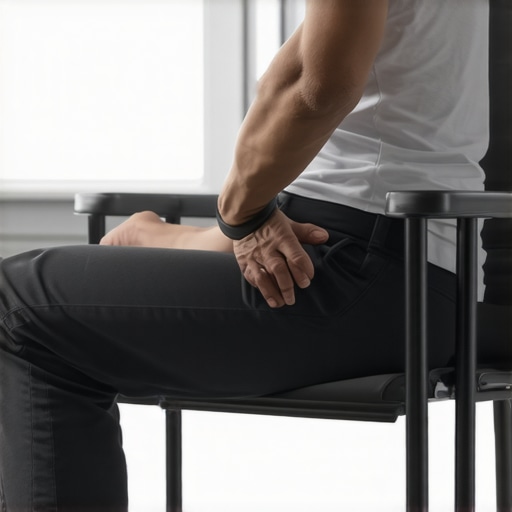
Have you ever settled into your favorite chair, crossed your legs, and felt that familiar twinge in your lower back? Maybe you shrugged it off as just a neck or back ache that comes and goes. But what if I told you that this seemingly harmless habit might be subtly shaping your spine in ways you never realized? I had a lightbulb moment when I noticed my posture getting worse despite multiple attempts at ‘sitting straight.’ The discomfort became persistent, and I started questioning if my habit of crossing legs during work or relaxation sessions was part of the problem. That’s when I began to explore how recurring postures, like cross-legged sitting, can influence our spinal health over time, possibly fostering a functional scoliosis—a condition that tilts and curves the spine without structural abnormalities. Today, I’ll walk you through how this common habit could be impacting your spinal alignment and what you can do about it.
Why Your Sitting Style Matters More Than You Think
Our daily habits shape our bodies in profound ways. It might seem trivial, but how you sit could be subtly altering the alignment of your spine. When you cross your legs frequently, you’re favoring one side of your pelvis over the other, which can lead to asymmetric muscle tension. Over months or years, this imbalance might contribute to a form of functional scoliosis—meaning the curvature isn’t due to a bone deformity but is a result of muscular and postural habits. I learned this the hard way early on when my own back pain persisted despite countless stretches and exercises. An early mistake I made was ignoring the importance of balanced sitting habits, assuming that as long as I was active, my posture would naturally correct itself. Instead, I found that small, consistent habits, like how I crossed my legs or slouched at my desk, accumulated into noticeable discomfort. Recognizing and correcting these habits can be transformative, and that’s where mindful adjustments come into play. For more practical tips, you might discover some effective strategies at this resource.
Is Cross-Legged Sitting Actually Dangerous?
Many skeptics wonder if these habits really have a lasting impact. After all, crossing your legs is so common and seemingly harmless. However, research indicates that habitual asymmetrical postures, like favoring one side while sitting, can lead to imbalanced muscle development and spinal misalignments over time. An article published in the Journal of Bodywork and Movement Therapies states that repetitive asymmetrical postures can contribute to functional deformities of the spine, which may resemble or aggravate existing conditions like scoliosis. I remember initially dismissing my own habits as trivial. But after pinpointing the connection between my posture and discomfort, I realized that small changes could make a huge difference in preventing long-term issues. Recognizing this early can save you from more complicated and costly interventions down the road.
If this resonates with your experience—feeling persistent discomfort or noticing asymmetrical muscle tension—it might be time to re-evaluate your sitting habits. Small adjustments, along with targeted mobility routines, can help realign your spine and reduce the risk of developing a functional scoliosis. Want to learn more about practical steps to improve your posture? Stay tuned, because next, we’ll dive into simple, effective strategies to reshape your sitting routine and promote spinal health.
Start with Awareness: Identify Your Posture Habits
First, observe how you sit during daily activities. Use a mirror or record yourself to note if you’re crossing legs, slouching, or leaning predominantly on one side. Personal experience showed me how unconscious habits can undermine spinal health; seeing my own reflection revealed a tendency to tilt to the right when seated. Recognizing these patterns is crucial before making changes.
Adjust Your Seating Arrangement for Better Alignment
Choose chairs that support your lower back and keep both feet flat on the ground. When sitting at a desk, use a footrest if needed. Think of your pelvis as a base of a building—if it tilts, everything above follows. During my work, I added a small cushion behind my lumbar region, which helped maintain a neutral spine, reducing pressure and muscle imbalance.
Implement Micro-Movements to Break Static Postures
Set reminders to shift positions every 15-20 minutes. Simple actions like pelvic tilts or rolling your shoulders can counteract stiffness. I started with a 30-second movement routine each hour, such as gentle spinal twists or hip circles, inspired by techniques from mobility enhancement guides. This made a noticeable difference in reducing tension.
Use Specific Mobility Drills to Reinforce Good Posture
Practice targeted stretches like the doorway chest stretch and deep neck flexor exercises regularly. These counteract tight muscles that pull your spine out of alignment. My experience with the deep glute stretches and thoracic rotations from mobility strategies helped improve my posture over a few weeks.
Premium Technique: The Pelvic Reset
This involves gently tilting your pelvis forward and backward to find a neutral position. Lie on your back, knees bent, and perform controlled pelvic tilts—imagine drawing your belly button towards your spine and then arching it away. I did this daily after noticing my pelvis had slid forward, causing lower back tightness. Regular practice restored better pelvic positioning and balanced muscular tension.
Develop a Strengthening Routine for Core and Back
Focus on exercises like planks, bird-dogs, and deadbugs that activate core stabilizers. Think of your core as the foundation of a house—if it’s weak, the structure (your spine) is vulnerable. Incorporating these movements, inspired by core-strengthening tips, over several weeks led to improved spinal stability and less discomfort during prolonged sitting.
Incorporate Restorative Breathing to Reduce Muscle Tension
Deep diaphragmatic breathing relaxes tense muscles and alleviates postural stress. As I focused on slow, full breaths, I noticed decreased shoulder and neck tightness. Techniques from deep breathing hacks have been a game changer in calming my nervous system and supporting postural health.
Monitor Progress and Adjust Accordingly
Keep a journal of your habits and physical sensations. If a particular adjustment alleviates pain or stiffness, reinforce it. Conversely, if issues persist, revisit your posture, seeking professional advice from experts. Consistency in these practices can gradually rewire your habits and build resilient spinal health.
By integrating these concrete steps—awareness, ergonomic adjustments, mobility routines, targeted exercises, and mindful breathing—you can reshape your sitting habits, correct muscular imbalances, and support your spine’s alignment over time. Remember, small, persistent efforts are often the most effective in creating lasting change.
Many believe that simply practicing good posture or occasionally stretching is enough to prevent back pain, but the reality is far more nuanced. A common misconception is that once you correct your immediate posture—like sitting upright or avoiding slouching—the problem is solved. However, experts warn that focusing solely on static alignment ignores the dynamic nature of our movement patterns and muscular habits. For example, some assume that frequent adjustments or ‘instant fixes’ such as cracking joints provide lasting relief, but these can sometimes mask underlying issues rather than resolve them. Over-reliance on quick fixes may lead to neglecting fundamental mobility and strengthening practices that address root causes.
Have you ever fallen into this trap? Let me know in the comments.
### Why Quick Fixes Might Be Deceiving You
Many people are tempted by immediate relief—think cracking your neck or popping the back—that offers a fleeting sense of freedom. Yet, studies from chiropractic authorities highlight that habitual joint popping can sometimes lead to increased joint instability or inflammation if overused. These quick relief methods often serve as band-aids, delaying attentive work on muscular imbalances. The true solution lies in comprehensive mobility routines and consistent adjustments that restore the spine’s natural function, as discussed in mobility improvement guides. Avoiding these common traps requires awareness and patience, emphasizing that sustainable change takes time.
### The Fallacy of ‘One-Size-Fits-All’ Posture Solutions
Another myth is that all postural corrections work uniformly for everyone. In reality, individual anatomy, lifestyle, and daily habits drastically influence what adjustments are effective. For example, a posture correction working wonders for one person might cause discomfort for another if not tailored to their unique muscular balance. This nuance underscores the importance of personalized assessment, preferably guided by a professional. Relying solely on generic advice, like rigidly tucking the pelvis or always sitting upright, can sometimes exacerbate issues—especially if it leads to excessive muscle tightening or overextension. For tailored guidance, consulting expert resources or professionals is key, as detailed in this contact page.
### How Advanced Movements Can Prevent Long-Term Damage
For those eager to move beyond basic routines, exploring advanced mobility techniques can be a game changer. Simple yet deliberate movements—like the pelvic reset or targeted thoracic rotations—alter muscular sequencing and joint health at a higher level. For example, engaging in mobility strategies can rewire your movement patterns, reducing compensations that lead to chronic pain. Incorporating these into your daily routine helps not just in symptom relief but also in addressing the hidden neuromuscular patterns that perpetuate poor posture and discomfort.Maintaining a healthy, pain-free back requires more than just awareness and exercises; it demands the right tools to support your progress over the long haul. Personally, I’ve found that investing in specific equipment and software tailored to monitor and reinforce good posture makes all the difference. One device I swear by is a **smart posture tracker** like the Upright Go 2, which discreetly attaches to your upper back and vibrates when you slouch. It provides real-time feedback, helping me develop conscious habits and correct my posture throughout the day without constant self-reminding. This is especially valuable during long work sessions, where mindfulness can lapse. The app associated with the tracker compiles data, showing trends and progress, helping me adjust routines proactively.
For mobility and strength maintenance, I incorporate **foam rollers** and **massage balls**. The TriggerPoint GRID Foam Roller, for example, allows me to gently release tight muscles that contribute to postural imbalances. Regular rolling improves my tissue flexibility and blood flow, making my mobility routines more effective. I also add **resistance bands** such as the Iron Gym, which serve dual purposes: strengthening core stabilizers and assisting with controlled stretches. I tend to use bands for shoulder girdle mobility, integrating movement patterns from mobility routines discussed in expert guides to reinforce healthy alignment.
When it comes to software, I rely on **video analysis apps** like Hudl Technique to record and scrutinize my postural corrections during exercises. Seeing myself in motion reveals subtle compensations that might escape the naked eye, enabling precise adjustments. Additionally, apps like Tempo can help me pace my mobility drills, ensuring I perform each movement with proper control and delay the onset of fatigue.
Looking into the future, I believe these tools will become even more integrated with AI-driven feedback systems that adapt in real-time, providing personalized cues based on your unique biomechanical fingerprint. Innovations like wearable sensors that interface directly with your smartphone will further refine our ability to maintain optimal spinal health.
**How do I sustain my postural improvements over time?** The key lies in consistency and integration. I set daily reminders to perform mobility routines and periodically recalibrate my device settings to account for changes in my condition. Incorporating simple checks, like the [Pelvic Reset](https://chiromasteryz.com/the-pelvic-reset-every-long-distance-driver-should-know), into my daily schedule keeps me aligned. Remember, the goal isn’t instant perfection but steady, incremental progress.
To seriously lock in your gains, try incorporating a **smart posture tracker** into your routine. It’s a small investment that offers big dividends for your back health. Keep experimenting with these tools, and you’ll find your spinal resilience grows, even amidst a busy lifestyle.
The Hardest Lesson I Learned About Posture, Adjustments, Mobility, and Back Pain
One of the most impactful realizations in my journey to better spinal health was understanding how deeply our daily habits shape our back condition. I used to believe that occasional stretching or quick fixes could solve persistent discomfort, but I discovered it’s the consistent, often unnoticed choices—like misaligned sitting or neglecting mobility—that silently build up and cause real issues. Embracing mindful movement and personalized adjustments became my turning point, teaching me that patience and awareness outweigh quick fixes.
My Essential Tools for Maintaining a Healthy Back
Over time, I’ve curated a set of resources that genuinely support spinal well-being. The mobility enhancement guides provided me with tailored routines that transformed my movement patterns. A smart posture tracker like the Upright Go 2 turned my awareness into action by giving real-time feedback on my habits. Foam rollers and resistance bands became my allies in releasing muscular tension and strengthening my core, respectively. These tools have helped me embed healthy practices into my routine, making consistency easier and more effective.
Believe in Your Power to Change Your Back Future
It’s easy to feel overwhelmed by the thought of correcting longstanding habits, but I want to remind you that small, deliberate steps are powerful. Every mindful posture adjustment, mobility drill, or breathwork session is a vote for a stronger, more resilient spine. You possess the capacity to transform your back health—for yourself and those around you. Trust the process, stay committed, and know that your future back pain-free and aligned is just a series of positive choices away. Start today, and take that first step toward lasting change.