
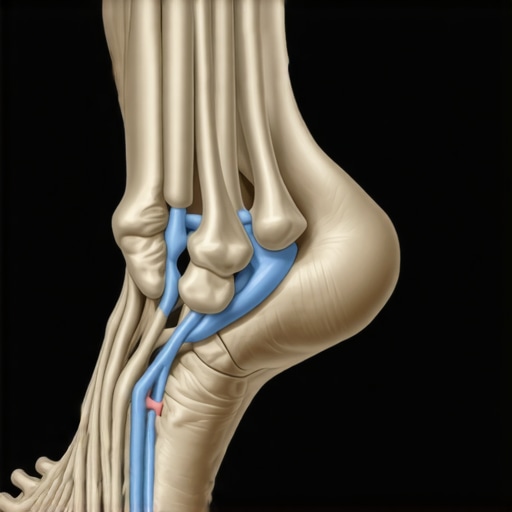
Have you ever experienced that sinking feeling of frustration after trying to stand tall, only to realize your knees or hips feel out of sync? I remember the moment I first felt it—stumbling through a morning stretch, my knee suddenly giving way, and my hip aching as if I’d aged overnight. It was a lightbulb moment for me—realizing that small misalignments in my foot arch could ripple all the way up my body, creating chaos in my knees and hips.
This realization opened my eyes to a simple yet powerful adjustment you can make—one that has the potential to fix lingering knee and hip discomfort without expensive treatments or messy routines. And no, it’s not about fancy orthotics or complex exercises; it’s about a straightforward tweak to your foot arch that can realign your entire lower body.
Why Your Foot Arch Holds the Key to Better Knee and Hip Function
Our feet are the foundation of our posture and movement. Think of them as the roots of a tree—if the roots aren’t healthy or properly aligned, the branches above suffer. Early on, I made a mistake—sometimes, I ignored my foot’s alignment, assuming that pain was just part of aging or a stubborn injury. Over time, I noticed that correcting my foot arch offered much more relief than endless stretches and painkillers.
Studies show that even subtle changes in foot positioning can affect the alignment of your knees and hips. The American College of Foot and Ankle Surgeons emphasizes that arch support and foot alignment are directly linked to joint health and overall mobility. When the arch collapses or misaligns, it can cause your entire lower limb to sag or twist, resulting in uneven wear, strain, and pain.
What I discovered — and what I want to share with you — is that a simple tweak, like activating the arch or using a specific foot adjustment, can set off a chain reaction: better posture, more balanced gait, and less pain in your knees and hips. The beauty of this approach is that it’s accessible, often reversible, and surprisingly effective.
If you’ve faced persistent knee or hip issues, chances are your foot position plays a bigger role than you realize. Ready to explore how this tiny change can make a big difference? Let’s dive into the step-by-step strategy that transformed my mobility—and could do the same for you.
Is a Foot Arch Tweak Actually Worth the Hype?
When I first heard about this concept, skepticism crept in—was it just another quick fix? I even wondered if I was falling prey to false hope. My early mistake was dismissing how much my foot alignment impacted my entire body. It took consistent experimentation and paying close attention to how my feet felt during everyday movements to see real results. Don’t let doubt hold you back—sometimes, the smallest adjustments have the biggest impacts.
If you’re curious whether this is a valid approach, know that integrating simple foot alignment tweaks has been supported by experts and is backed by anecdotal evidence from many who’ve found relief. For more practical insights, check out daily adjustments to alleviate back pain and improve posture.
How to Activate Your Foot Arch for Better Alignment
Start by standing barefoot on a flat surface. Shift your weight onto one foot and gently press your toes into the ground, as if you’re trying to grasp the floor with your toes. Simultaneously, lift the arch by contracting the muscles in the sole of your foot, as if you’re trying to create a small hollow under your foot. Think of it like tightening a mini trampoline underneath your foot. This activation is subtle but crucial — I recall the first time I focused on this and immediately felt a lightening in my knees. Repeat this on both feet for 10-15 seconds each to build muscle memory.
Adopt Correct Posture During Daily Movements
Step 1: Find Neutral Foot Position
Stand with your feet hip-width apart. Imagine your weight being evenly distributed across the balls of your feet, the heels, and the arches. To check if you’re doing it right, slightly shift your weight from side to side; you should feel balanced. For example, I used to slump and roll onto the outside of my foot, which threw everything off. Correcting my stance to a centered position immediately improved my alignment and reduced discomfort.
Step 2: Engage the Foot Muscles During Activity
Whenever you walk or stand for extended periods, consciously activate your foot arch slightly. Think of pulling the arch upward without scrunching your toes or tilting your pelvis. It’s like gently lifting a small weight in your foot, which helps keep your ankle and knee aligned. I caught myself slouching too often, but by reminding myself to stay engaged, I maintained better posture and avoided unnecessary strain.
Use Supportive Tools Thoughtfully
If you notice persistent flatness or fatigue, consider using a simple arch support or a small foam wedge under your arch during activities. This isn’t about relying entirely on insoles but using them as training aids. Remember, the goal is to strengthen your foot muscles over time, not to create dependence. I personally experimented with a thin insert during workouts, which helped me feel the difference and motivated me to improve my natural arch control. To explore more detailed strategies, check out daily adjustments to alleviate back pain and improve posture.
Integrate Foot Control into Your Routine
Dedicate 5 minutes daily to practice activating your foot arch while standing, walking, and even sitting. For sitting, try pressing your feet firmly into the ground and lifting your arches slightly. This reinforces muscle engagement even when you’re sedentary. I found that making this a habit, especially during long desk sessions, gradually retrained my muscles, leading to noticeable relief in knee and hip pains over a few weeks. Consistency is key — small, repetitive actions create lasting change.
Adjust Your Gait for Long-Term Benefits
Observe your walking pattern. Do your knees cave inward or do your hips sway side to side? These signs indicate that your foot arch isn’t supporting your body properly. Practice walking with a slight emphasis on midfoot contact, ensuring your heel strikes first and your toes push off effectively. Over time, this promotes a natural, healthy gait that reduces unnecessary joint strain. I revisited my stride after noticing discomfort, found my gait was uneven, and consciously corrected it, which reduced hip strain significantly. For more insights, explore top strategies for moving without pain.
Many people believe that perfect posture is the ultimate goal—standing tall, squeezing the shoulder blades together, and keeping the spine perfectly aligned. However, this popular myth overlooks the nuanced reality of our bodies’ movement patterns. In fact, striving for an ideal static posture can sometimes lead to tension and muscle fatigue rather than relief. It’s more effective to understand posture as a dynamic, adaptable state, where subtle adjustments and mindful movement take precedence over rigid positioning.
One common mistake is the over-reliance on passive supports like rigid braces or overly stiff ergonomic devices. While these can provide temporary relief, they often encourage dependence, weakening the intrinsic muscle groups responsible for maintaining healthy alignment. The real solution involves engaging neuromuscular control, strengthening key muscles, and learning to adapt your posture throughout your daily activities. Experts, such as Dr. Stuart McGill, emphasize that intelligent movement and core stability are superior to static corrections in preventing back issues.

Another misconception centers around the idea that stretching is the go-to fix for all back pain. While flexibility is important, aggressive or improper stretching can sometimes exacerbate issues, especially if muscles are already inflamed or if tightness is a protective response. Often, the root cause of pain lies in stability deficits, joint misalignments, or mobility restrictions elsewhere in the kinetic chain—meaning that addressing only the tight muscles without considering the larger context can be ineffective or even harmful.
For instance, focusing solely on stretching your hamstrings without addressing pelvic stability or core strength might not resolve your back pain and could increase strain in other areas. Incorporating mobility drills like those discussed in top strategies for moving without pain helps identify underlying stability issues rather than just soft tissue tightness.
What advanced cues do experts use to optimize back health?
Back pain sufferers who seek long-term relief often work on your body’s nuanced control systems—like proprioception, neuromuscular re-education, and subtle movement pattern adjustments. Techniques such as the pelvic floor activation or utilizing breath to engage core stability bring awareness to deep stabilizing muscles often ignored in conventional training. Such methods are backed by studies, including those by Professor Vladimir Janda, who highlighted the importance of muscle recruitment patterns in pain prevention. These approaches help Maintaining optimal mobility and posture over the long term requires more than just occasional stretches or exercises; it involves using targeted tools and establishing consistent routines. One device I personally rely on is the **Foam Roller**. Its versatility allows me to release tension in my back, hips, and legs, which are often tight from prolonged sitting or improper movement habits. I prefer a dense, firm roller because it applies sufficient pressure for my needs without being overly soft. Incorporating regular foam rolling sessions into my daily routine has noticeably improved my flexibility and reduced back discomfort, especially after long workdays.
Another essential tool is a **Balance Board**, which I use several times weekly. It challenges my stabilizer muscles and promotes better ankle and foot control, addressing foundational issues that often lead to back strain. I find that spending a few minutes on the balance board each session helps recalibrate my proprioception and improves my overall posture during movement. This simple yet effective tool aligns well with expert strategies for enhancing mobility in 2025.
In terms of software, I recommend an app like **PT Timer** for tracking mobility exercises and stretches. It helps me stay consistent by scheduling reminders and monitoring my progress. Technology like this ensures I don’t neglect daily habits that support my spine health and movement quality.
Looking ahead, I predict that integrating wearable sensors to monitor real-time posture and movement patterns will become mainstream. These devices can offer immediate feedback, helping you adjust before bad habits become ingrained.
### How do I maintain my mobility and posture over time?
Consistency is key. I set aside dedicated time each morning and evening for mobility drills, self-massage, and awareness exercises. Using tools such as foam rollers and balance boards helps reinforce good habits and address specific movement deficits. For example, combining foam rolling with targeted stretching provides a comprehensive approach to keeping my body moving pain-free.
For more insights on integrating tools into your routine, check out daily adjustments to alleviate back pain and improve posture. Maintaining progress also means being mindful of your habits, avoiding prolonged static positions, and adapting your environment to support healthy movement.
If you’re serious about sustainability, consider incorporating a **Smart Posture Trainer** — these devices provide real-time feedback and can alert you when your alignment slips. I personally experimented with one, and the immediate cues helped me correct habits like slouching, which over time improved my back health.
Start small: pick one tool or habit to focus on this week. For example, dedicate five minutes daily to foam rolling or use a posture reminder app. Consistent, intentional use of these resources creates lasting change and helps prevent setbacks in mobility or posture issues. Remember, the journey to long-term spine health is ongoing, but with the right tools and habits, it’s entirely achievable.
Over the years, I’ve realized that some of the most profound improvements in my posture and pain relief came not from intense workouts or costly treatments, but from embracing small, mindful adjustments. One of the hardest lessons I learned was that progress often hides in the details—like the tiny, almost subconscious, foot arch activations or the subtle shifts in how I move through my day. These insights taught me that becoming attuned to my body’s signals and applying intentional tweaks could unlock long-lasting mobility and pain-free living.
The biggest revelation was understanding how interconnected our body’s systems truly are. A minor misalignment at the foot can cascade upward, causing knee, hip, and even lower back discomfort. Recognizing this shifted my approach entirely—no longer did I chase after isolated solutions. Instead, I started focusing on foundational, functional changes that empower the body’s natural healing and alignment processes.
Another lesson I wish I’d grasped sooner: consistency beats intensity. Even a few seconds of foot arch activation or mindful walking each day compounded into meaningful change over weeks. It’s a reminder that sustainable progress stems from simple habits — habits that respect our body’s innate wisdom and encourage gentle yet persistent correction.
Lastly, I learned the importance of patience and self-compassion. Realignment and mobility improvements unfold gradually, often unnoticed day-to-day, but they’re palpable over time. Trusting this process and celebrating small wins keeps motivation high and transforms the journey into a rewarding adventure toward better movement and comfort.
My Essential Toolkit for Lasting Mobility Gains
Some tools have genuinely changed how I approach my mobility. The daily adjustment routines I integrated offer simple yet powerful ways to reinforce healthy habits. Foam rollers, with their versatility, help me release tension and improve tissue pliability, preparing my body for better alignment. Balance boards challenge my stabilizer muscles and promote proprioception, critical for maintaining proper posture during daily activities. For tracking progress and staying on schedule, I use the mobility app — a tool that keeps me organized and accountable.
Books like Becoming a Supple Leopard have deepened my understanding of movement mechanics. They emphasize that restoring mobility isn’t just about soft tissue care but about re-educating the nervous system and strengthening foundational muscles. These resources have become my go-to guides, helping me craft routines that are both effective and sustainable.
On a deeper level, I’ve found that meditation and breathwork are invaluable for cultivating body awareness and reducing tension. When I consciously breathe into areas of stiffness or pain, I activate the parasympathetic nervous system, promoting relief and facilitating movement. These mental strategies complement physical tools, creating a holistic approach to health that’s both effective and empowering.
Embrace Your Movement Journey Today
Remember, transformation begins with a single step—whether that’s activating your foot arch, practicing mindful walking, or dedicating a few minutes to foam rolling. The key is to start, stay consistent, and trust that each small effort contributes to a more mobile, pain-free future. You hold the power to rewrite your story of movement and comfort, regardless of where you’re starting from. If I can do it with patience and dedication, so can you — one mindful move at a time.
So, what’s one change you’re ready to implement today to improve your mobility and reduce back or joint discomfort? Share your plan below — I’d love to hear your first step toward better movement!