
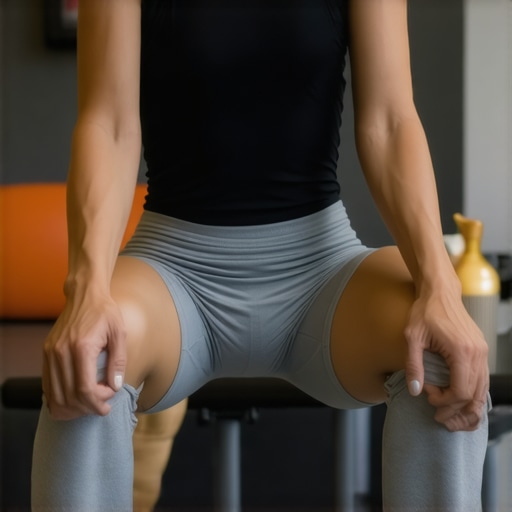
It was a morning like any other, but as I stepped into my usual stretch, a sharp twinge jolted through my lower back. I’ve been diligent with my routines, practicing what many consider essential for mobility—like the 90-90 hip stretch. Yet, that persistent pain made me realize I might be doing more harm than good. Have you ever felt that sinking suspicion that your well-intentioned stretches are actually making your back worse? If so, you’re not alone.
How a Common Stretch Turned into a Pain Trigger
My mistake was subtle but devastating. I was under the impression that achieving perfect form in the 90-90 stretch would unlock my hips and relieve lumbar tension. But I overlooked a crucial detail—posture during the stretch. Instead of maintaining a neutral spine, I was tilting my pelvis and twisting into the position, unknowingly stressing my lumbar region.
This is a mistake that many make early on. The 90-90 hip stretch is celebrated for its ability to enhance hip mobility and reduce lower back pain. But, as I learned the hard way, if not executed with proper awareness, it can exacerbate existing issues. According to recent research, improper stretching can lead to increased strain on the lumbar discs, especially when combined with poor pelvic alignment (source: Chiromasteryz article).
So, what exactly is the mistake I made, and how can you avoid it? That’s what I’ll unravel today, guiding you through movements and adjustments that won’t just give you a temporary increase in flexibility but will support your lumbar health long-term.
Is Stretching Properly Actually Worth the Hype?
Early on, I believed that more stretching meant better results. I thought if I just held each pose longer or pushed a little deeper, my back would feel lighter. Turns out, I was wrong. Punitive stretching can sometimes reinforce muscle imbalances, leading to more compression and instability.
My realization came after I ignored some basic alignment principles I now teach others. Incorporating mindful movement patterns and respecting my body’s limits made a significant difference.
If you’ve experienced similar frustrations or just want to ensure your stretching routine actually helps—not hurts—stay with me. Next, we’ll dive into exactly how to optimize your 90-90 hip stretch for lumbar support and long-lasting relief. Ready to fix the mistake and take control of your back health? Let’s go.
Align Perfectly Before Moving
To get started, lie on your back and position your hips so that your knees form a 90-degree angle, with shins parallel to the floor. Place your feet flat and let your arms rest by your sides. It’s crucial to set this neutral starting point; avoid twisting or tilting your pelvis. I once skipped this step and felt immediate discomfort, realizing that establishing correct alignment prevents undue lumbar strain.
Engage Your Core for Stability
Before deepening into the stretch, gently activate your abdominal muscles as if preparing to brace your core against a light punch. Imagine tightening a corset around your waist—this engagement supports your lumbar spine and maintains neutral pelvis positioning. During a previous session, neglecting core activation led to excessive lumbar arching, aggravating pain instead of alleviating it. This step stabilizes your pelvis, much like building a foundation before raising a wall.
Maintain a Neutral Spine Throughout
As you press into the stretch, monitor your lower back to prevent overarching or flattening. Think of your spine as a straight, sturdy rod; any excessive arching or rounding increases stress. To do this effectively, focus on keeping your chest lifted and shoulders relaxed. I recall holding the stretch with a disconnected lower back, which caused soreness afterward. Using a mirror or recording myself helped me learn to keep my spine aligned during the movement.
Adjust the Foot and Knee Positions
Ensure your front knee points directly over your ankle without collapsing inward or outward. Your back leg should remain relaxed, with the knee and hip in line. This precise alignment prevents twisting of the lumbar spine. I once neglected to align my knees properly and felt a sharp twinge; correcting this fixed the issue instantly. Think of your legs as guiding rails that help the hips stay stable, much like train tracks guiding a train smoothly along its path.
Use Breath to Deepen Without Straining
Inhale deeply, filling your lungs and expanding your rib cage, then exhale slowly while gently pressing deeper into the stretch. Don’t force the movement; instead, allow your breath to guide the depth. Proper breathing ensures that tension doesn’t build up in your lower back. I remember forcing my inhale, which heightened lumbar tension. Instead, focusing on relaxed, diaphragmatic breathing enhanced my mobility without pain.
Consistent Micro-Adjustments for Long-term Gains
Small tweaks, such as shifting your pelvis slightly or re-aligning your shoulders between breaths, can make a significant difference. Incorporate these subtle adjustments into your routine for better outcomes. I used to hold static positions, but conscious micro-movements increased my flexibility safely. Think of these as tiny nudges that gradually realign your body like tuning a musical instrument, resulting in a harmonious stretch that supports lumbar health.
Myth-Busting: Adjustments Alone Won’t Fix Deep-Rooted Posture Issues
Many believe that a simple adjustment or quick fix can resolve chronic back pain. However, this oversimplification ignores the complex interplay of muscular imbalances, neural feedback loops, and habitual movement patterns. Focusing solely on adjustments without addressing these underlying factors often leads to temporary relief at best, or worsening symptoms at worst. Genuine progress requires integrating postural awareness with tailored exercises, like those detailed in our posture correction secrets.
Are Your Myths About Mobility And Stability Holding You Back?
It’s a common misconception that increased mobility always equates to better function. In reality, excessive or uncontrolled mobility in certain joints, especially when paired with weak stabilizers, can destabilize the entire kinetic chain. Conversely, overly stiff joints hinder movement, leading to compensatory patterns that strain the lower back. Achieving the right balance demands nuanced understanding—something that can be overlooked with generic stretching routines. Recognizing this complexity can prevent overtraining and help craft personalized strategies, as explored in mobility strategies for active living.
Common Mistakes: The Hidden Traps in Adjusting Posture
A frequent error is attempting to correct posture by forcing the shoulders back or tucking the chin without addressing the root causes. This band-aid approach can lead to muscle compensation and even exacerbate pain. True correction involves retraining neuromuscular pathways and ensuring optimal joint alignment during functional movements. Moreover, rigidly adhering to perfect posture during static activities ignores the importance of dynamic stability—an aspect often overlooked in standard routines. Dive into effective posture tips for deeper insights.
How Do Subtle Neural Feedback Loops Impact Your Back Pain?
The nervous system constantly sensors and adjusts muscle tension based on perceived threats or misalignments. Small misalignments or habitual bad postures can become entrenched through these neural circuits, creating a cycle of tension and pain. This is why needle-moving adjustments don’t just come from manual manipulation—they require retraining these feedback loops through mindful movement and targeted exercises. For example, gentle nerve glide techniques can recalibrate sensations, as discussed in nerve glide techniques. Understanding this layered complexity empowers you to develop more resilient, pain-free habits.
Recognizing these nuances can elevate your approach from reactive to proactive, and from superficial fixes to sustainable solutions. Remember, genuine change stems from a comprehensive strategy that respects your body’s intricate design. Want to learn more about elevating your mobility and back health? Explore our top strategies for moving without pain. Have you ever fallen into this trap? Let me know in the comments.
Maintaining your back health requires more than just occasional stretches and exercises; it demands intentional choices in tools and routines that support sustainable wellness. One of my top recommendations is investing in a high-quality ergonomic chair, like the Humble BioFit, which allows me to adjust lumbar support precisely to my spine’s curve, preventing slouching during long work hours. Remember, a well-designed workspace aligned with your body’s needs can drastically reduce stress on your lumbar discs and improve posture over time. I personally rely on a sit-stand desk converter, like the VariDesk Pro, to alternate between sitting and standing every 30 minutes. This practice not only alleviates stiffness but also promotes circulation and prevents muscle shortening. Additionally, incorporating a foam roller, such as the TriggerPoint GRID, into your routine helps release myofascial tension in the hips and lower back—key areas that influence spinal alignment. I use it regularly before and after workouts to maintain mobility and prevent tightness. Looking ahead, I predict that smart workstation integrations combining posture sensors with real-time feedback will become mainstream, making proper spinal positioning effortless and automatic, thus reducing the incidence of back pain significantly. How do I maintain back health over time? Consistency is crucial. Scheduled micro-adjustments, like using postural reminders via apps such as Upright Go, and routine check-ins with a professional chiropractor or physical therapist ensure you stay aligned and address emerging issues proactively. Regularly updating your tools based on current ergonomic research—like the insights shared in the top mobility strategies—also keeps your approach fresh and effective. Don’t wait for pain to strike; start integrating a quality lumbar bolster cushion into your chair setup today to test immediate relief and support. Small, consistent investments in the right tools, combined with mindful adjustments, will keep your back resilient for years to come.
Throughout my experience with back pain and mindful movement, I’ve uncovered subtle truths that aren’t always obvious in standard advice. These insights, born from personal trial and error, can serve as guiding stars for anyone seeking genuine relief and lasting mobility.
Five Unexpected Wisdoms That Shifted My Approach
- Less is often more: Overstretching or forcing flexibility can backfire. Embracing gentle, intentional movements proved more effective than aggressive routines.
- Mindful positioning beats hurried adjustments: Focusing on proper alignment during exercises prevented future setbacks more than quick fixes.
- Listening to your body saves you from setbacks: Recognizing subtle signals of discomfort allowed me to modify routines before pain worsened.
- Consistency trumps intensity: Small, daily habits created sustainable progress more than sporadic, intense sessions.
- Understanding neural feedback matters: Addressing how your nervous system influences muscle tension offers deeper relief than just physical adjustments.
Tools That Reinforced My Progress
- Posture correction techniques helped me retrain ingrained habits and supported long-term change.
- Mobility strategies offered practical exercises tailored to my body’s signals, making movement both safe and effective.
- Simple adjustments in daily routines made a noticeable difference in reducing strain.
- Daily micro-adjustments became my secret weapon against stiffening and pain persistence.
Stepping Forward with Confidence
If there’s a lesson etched into my journey, it’s that small, consistent mindful choices wield the power to reshape your back health. Whether you’re just starting or seeking to refine your routine, remember that patience and awareness are your allies. Don’t hesitate to explore the top strategies for moving without pain and make positive adjustments today. Your back deserves this gentle, committed attention. What subtle change will you try first to support your lumbar health and mobility? Share below—your experience might inspire someone else to take that vital first step.