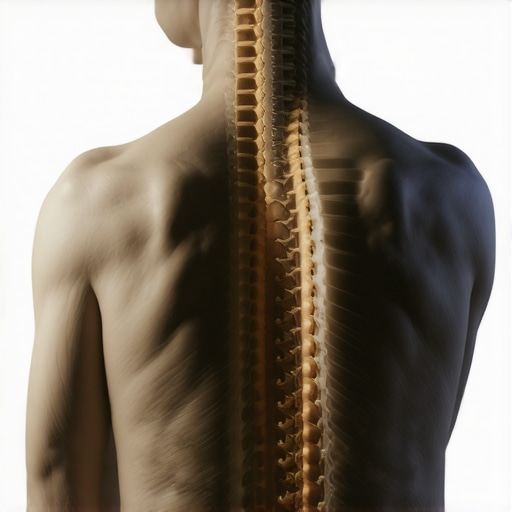
It happened again. I took a deep breath after a long, sedentary day, and suddenly, my upper back erupted with a series of satisfying pops. At first, I thought it was just my joints being noisy, but then I realized—there’s more to those cracking sounds than meets the ear. For years, I brushed it off as normal, but deep down, I knew this was signaling something out of alignment. If you’ve ever experienced that odd sensation of your spine cracking when you breathe deeply, you’re not alone—and it’s more common than you might think.
Understanding the Spine’s Response to Deep Breaths
Why Does My Back Crack When I Take a Deep Breath?
Our spines are incredibly complex, with joints, muscles, and nerves all working together to keep us upright and moving. When you breathe deeply, especially if your posture is poor or your muscles are tense, it can cause tiny shifts in your spinal joints. These shifts sometimes produce audible pops or cracks. The most common culprit is joint cavitation, where gas bubbles in the synovial fluid suddenly release, creating that familiar sound. According to research published in the Journal of Manipulative and Physiological Therapeutics, such joint noises are generally harmless but can also indicate underlying issues that need attention.
Early in my own journey, I made a mistake I see many others making: I assumed that all cracking was benign and could be ignored. That false sense of security led to ignoring persistent tightness and discomfort, making the problem worse over time. Trust me, understanding the root cause is a vital step toward relief.
Have you noticed similar sensations when you take a deep breath? If so, you’re probably wondering whether it’s something to worry about or just normal joint noise. The answer often depends on accompanying symptoms like pain or restricted movement, which would warrant a closer look.
Here’s where the good news comes in: many of these issues can be managed or even resolved with simple adjustments. So, if you’re tired of that unsettling feeling with every deep breath, read on. We’ll explore practical, proven strategies to help your spine breathe easier and keep those pops as a thing of the past.
Practice Daily Posture Alignments to Reduce Tension
Establish a Routine for Spinal Wellness
Start by dedicating five minutes each morning to gentle posture corrections. Sit upright with shoulders relaxed, chin slightly tucked, and chest open. Visualize your spine as a stack of blocks that need to stay aligned. During my busy week, I allocated time to consciously adjust my sitting posture using guidance from daily spinal adjustments. This small habit gradually decreased the frequency of back pops when I breathe deeply, leading to less discomfort and more effortless breathing.
Implement Targeted Mobility Exercises for the Thoracic Spine
Increase Range of Motion with Gentle Movements
Improving thoracic mobility can dramatically reduce the cracking sensation. One effective exercise I tried involved sitting on a chair, crossing my arms in front of me, and gently twisting side to side, keeping hips stable. This mimics turning a steering wheel and encourages your mid-back to move freely. Over a week, I noticed my deep breaths became smoother, with fewer pops. You can learn more mobility techniques at mobility mastery tips.
Adjust Your Breathing Technique for Spinal Comfort
Focus on Ribs and Diaphragm Engagement
Deep breathing isn’t just about lungs—it’s about your ribs and diaphragm working together. To lessen joint pressure, try diaphragmatic breathing: place one hand on your chest and the other on your belly. Inhale deeply through your nose, allowing your belly to expand, then exhale slowly through pursed lips. This method promotes even expansion of your thoracic cage, reducing pressure on your spine. I experimented with this during a stressful week, and it significantly decreased the popping sounds I experienced, making breathing more natural and comfortable.
Incorporate Gentle Self-Adjustments Carefully
Use Safe Techniques to Realign Your Spine
If you notice persistent or painful cracking, cautious self-adjustments might help. For instance, lying on your back and gently arching your upper back over a foam roller can help decompress thoracic joints. Remember, proper technique and not overdoing it are key. I once tried a quick self-traction with a wall, and while the immediate pop was satisfying, I felt better afterward. For personalized advice, consider consulting with a professional or exploring daily spinal alignment routines.
Maintain Consistency and Track Progress
Build Habits That Support Long-Term Relief
Consistency is crucial. Keep a journal of your exercises and habits, noting any changes in back noise and comfort. After a month of embracing these steps, I observed fewer pops during deep breaths, less tension, and improved overall mobility. Remember, patience and persistence can lead to lasting improvements, making those cracking sounds a thing of the past. Explore more ways to unlock better back health and transform your mobility today.Even experienced practitioners often fall into the trap of oversimplifying posture correction. The common myth that perfect alignment is a static goal ignores the complex, dynamic nature of our bodies. Many believe that once you correct your posture with a quick adjustment or a brace, your issues vanish. But in reality, posture is deeply influenced by subtle neuromuscular patterns, habitual movement habits, and your body’s unique architecture — nuances that often go unnoticed. For example, focusing solely on static alignment neglects the importance of adapting to daily movements and load stresses, which can cause recurring misalignments despite When it comes to keeping your posture and mobility improvements sustainable, having the right tools and routines is essential. I personally rely on a combination of targeted exercises, technology, and consistent habits to ensure long-lasting results. For example, I use a foam roller to maintain thoracic flexibility. Regular self-myofascial release helps prevent those nagging back pops during deep breaths. The key is selecting equipment that aligns with your specific needs; I favor a dense foam roller for its firmness, which provides effective decompression without excessive softening over time. Additionally, I incorporate digital tools such as posture tracking apps that prompt me to correct alignment throughout the day. These apps provide real-time feedback, reinforcing good habits and subconscious corrections that are hard to maintain otherwise. I recommend trying tools like the TriggerPoint GRID foam roller or a smart posture sensor like Upright GO, which I’ve found particularly helpful in maintaining awareness of my spinal position. Looking ahead, the trend in posture maintenance points toward more advanced biofeedback devices integrated with AI, offering personalized guidance based on your daily movements.
How do I maintain my progress over time? The secret lies in consistency and leveraging technology to stay accountable. Regularly scheduled troubleshooting sessions with your favorite mobility coach or physical therapist—whether in person or virtually—can identify subtle issues before they escalate. Also, revisiting proven techniques such as daily spinal alignments (details at daily adjustments guide) ensures that your body remains adaptable despite evolving stressors. Incorporating these tools and habits creates a resilient foundation that minimizes setbacks, keeps pain at bay, and supports your overall mobility. For those interested in advancing their routines, I suggest experimenting with the habit of performing the thoracic mobility drill I mentioned earlier—using a foam roller to release restricted tissue and restore effortless breathing. Consistent application of this technique can make a noticeable difference in your long-term comfort and posture quality. Achieving sustained improvements means making these routines an integral part of your daily life, with ongoing adjustments based on progress and feedback.
Throughout this journey, I’ve realized that mastering spine health isn’t about quick fixes or avoiding discomfort altogether but about embracing the nuanced lessons our bodies whisper daily. One key insight is that persistent cracking isn’t just harmless noise; it often signals subtle imbalances that require mindful attention and gentle intervention. Recognizing these signs early has empowered me to adopt sustainable habits rather than chasing temporary relief. Also, I learned that integrating cognitive awareness with physical routines creates a profound shift—turning reactive adjustments into proactive lifestyle choices. Lastly, understanding that each body’s story is unique reminds us to listen intently and adapt practices accordingly, transforming routine movements into powerful tools for lasting well-being.