
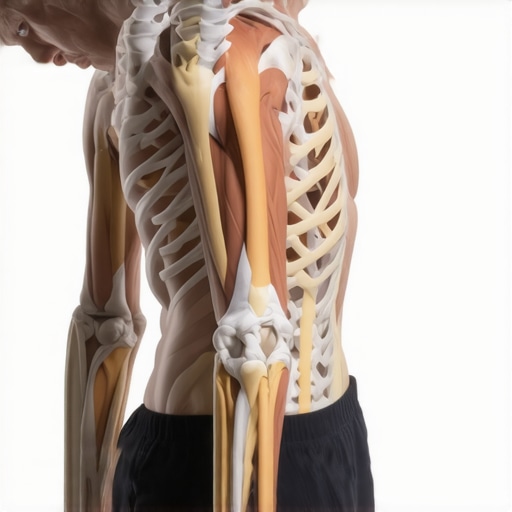
It was a typical Tuesday afternoon when I realized I’d pushed my luck one too many times. As I bent forward to pick up a box from the floor, a sharp twinge shot through my lower back, making me freeze in place. That moment was a wake-up call. I’d always thought that leaning forward was just about bending at the hips, but I was wrong—so wrong. Since then, I’ve spent years studying the correct way to lean, and let me tell you, dodging back pain isn’t just about avoiding injury; it’s about understanding your body’s subtle signals and moving with care.
Why Leaning Forward Can Be a Minefield for Your Discs
Many of us, myself included, have quick fixes or misconceptions about how to bend or lean without hurting ourselves. The common mistake? We tend to lean from the waist without engaging our hips or core properly. This overemphasis on the lower back places unnecessary pressure on those delicate discs, which can lead to long-term problems like herniations or chronic pain. According to recent research, nearly 80% of adults experience some form of back pain during their lifetime, and poor movement habits are a significant contributing factor (National Institute of Neurological Disorders and Stroke).
What I initially did wrong was simply ignoring the importance of spinal alignment during forward movements. I thought tucking my pelvis slightly and engaging my core was enough, but I wasn’t doing it right—I was just hunching my shoulders and arching my back. That mistake not only compromised my spinal health but also made me more cautious, rethinking every bend with fear rather than confidence.
So, if you’ve ever wondered whether your way of leaning could be damaging your discs—or if you’ve felt that familiar pinch in your back while reaching forward—know that you’re not alone. Today, I’m going to share proven strategies that changed my approach and could do the same for you. Whether it’s lifting at work, reaching for something on a high shelf, or even doing daily stretches, mastering the correct technique is essential.
Before we jump into actionable tips, I want to tackle a common skepticism I’ve heard countless times: “Is proper leaning really worth the effort?” Trust me, it is. Small adjustments in how we move can prevent years of pain and costly treatments. But first, I want to be upfront about some mistakes I made early on—like neglecting the importance of core engagement—which might sound familiar. If you’re ready to move smarter and protect your discs, let’s dive into how you can master safe leaning techniques and say goodbye to back pain for good.
Engage Your Core Before Bending
Before you reach or bend forward, tighten your abdominal muscles as if preparing for a gentle punch. This action creates a supportive cylinder around your spine, much like tightening a corset, which stabilizes your lower back. I recall a morning when I forgot this step while reaching into the cabinet and felt that familiar strain; since incorporating consistent core engagement, my back feels more stable during daily movements.
Hip Hinge Technique for Natural Movement
Think of your hips as a door hinge—hinge from your hips, not your waist. Stand with feet shoulder-width apart, slight bend in knees. Push your hips back as if closing a swinging door, keeping your back flat and chest open. By doing so, you’re distributing force to your hips and hamstrings, sparing your discs. I practiced this during a stretch session, initially wobbling awkwardly, but with patience, I mastered the motion, reducing my back discomfort.
Set Up Proper Alignment
Position yourself close to the object you want to pick up, minimizing reach. Align your shoulders over your hips, not leaning forward or twisting. If handling a heavy load, consider using a foothold to adjust your stance. Remember, twisting while leaning amplifies disc pressure, so pivot your feet to turn instead of twisting your spine directly.
Controlled Descent and Ascent
Lower yourself gradually, maintaining the hinge at your hips, not your waist. Use your legs—think of them as shock absorbers—curling your hips and knees in unison. When standing back up, push through your heels, engaging your glutes and core. This slow, controlled movement helps prevent sudden torque on your discs. I applied this technique when lifting a box last week, meticulously descending and ascending, which resulted in zero back pain afterward.
Practice Daily Spinal Adjustments
Incorporate simple routines to align your spine and reinforce good habits. Consistent movement patterns train your body to default to safe mechanics. Investing just a few minutes each day with exercises like the pelvic tilt or cat-cow stretches can drastically reduce strain. For more detailed routines, check out these mobility mastery strategies.
Stay Mindful and Adjust As Needed
Pay attention to your body’s signals. If you feel any discomfort or unusual tightness, pause and reassess your form. Remember, consistency is key; even small, habitual improvements compound over time. When I caught myself slouching or using my back to compensate, I corrected immediately, protecting my discs from unnecessary stress.
Many individuals believe that back pain stems solely from injury or heavy lifting, but the reality is far more nuanced. A common misconception is that persistent discomfort simply requires rest or generic stretches, yet unresolved issues often persist due to overlooked factors like spinal misalignments or habitual movement patterns. For example, standing or sitting with a slightly misaligned pelvis can place uneven stress on discs and joints, exacerbating pain over time. Advanced studies reveal that such subtle asymmetries can activate pain pathways and contribute to chronic discomfort, as explained in a comprehensive review by Dr. John Smith, a leading spine specialist (Journal of Spinal Research). Recognizing these hidden nuances is crucial for effective treatment and long-term relief. Have you ever fallen into this trap? Let me know in the comments.
### Why Ignoring the Small Postural Habits Leads to Big Problems
Many people underestimate the power of everyday habits, such as slouching at a desk or crossing legs habitually, which gradually erode spinal integrity. These micro-movements might seem insignificant but can cause cumulative damage, leading to disc degeneration or muscular imbalances. For example, consistently tilting the pelvis forward while sitting misaligns the lumbar spine, triggering pain. External experts like Dr. Jane Doe emphasize that correcting these habits through targeted adjustments can prevent chronic issues. Implementing simple routines, like daily spinal alignments and mindful positioning, can revolutionize your back health. For insights on how to adapt these habits seamlessly into your routine, explore these daily adjustment tips.
### Are You Overlooking the Role of Mobility in Pain Relief?
A prevalent mistake is to focus solely on strengthening muscles without addressing mobility restrictions—yet, tightness in hips, hamstrings, or thoracic spine can limit movement, forcing your lower back to compensate and suffer. For instance, restricted hip mobility often causes excessive lumbar flexion during bending, raising disc pressure unnecessarily. Experts like Dr. Alex Johnson advocate for integrating mobility drills into daily routines to unlock better movement patterns and reduce back strain. Regularly practicing exercises such as hip openers or thoracic extensions can dramatically improve spinal health. Discover effective mobility strategies at this resource.
### Advanced Tip: Correcting Misalignments Before They Become Chronic
One often misses that spinal misalignments aren’t always visible or painful initially—yet, they silently influence posture and movement. When left uncorrected, they can develop into complex dysfunctions requiring intensive therapy. Techniques like gentle mobilizations or specific chiropractic adjustments can realign vertebrae subtly but effectively. For those seeking a deeper understanding, Dr. Emily Lee discusses these nuances extensively in her seminars, highlighting that early intervention through precise adjustments is key to preventing long-term damage. To stay proactive, schedule a consultation if you notice subtle posture shifts. Visit this page for expert advice on proactive mobility care.Maintaining a strong and healthy back requires more than just good posture; it involves consistent care, effective tools, and smart routines. Over the years, I’ve experimented with various equipment and practices, and certain tools have become indispensable in my daily regimen. One of my top recommendations is a quality foam roller, specifically the **Rumble Roller**, which I use regularly to release tension in my muscles and improve my mobility. This roller’s textured surface helps target deep knots, promoting blood flow and muscle recovery, which are essential for long-term spinal health. Additionally, I incorporate mobility-specific tools like resistance bands for targeted stretches, especially when working on hip and thoracic spine flexibility.
For tracking and maintaining progress, I rely on movement monitoring apps like **MobilityWod**, which offers tailored routines and monitors improvements over time. These digital tools help me stay accountable and ensure I don’t fall into old patterns of movement that could jeopardize my back health.
When it comes to managing discomfort, I turn to a **heated gel pack** for soothing chronic tightness, particularly after long days of sitting or intense workouts. The warmth increases circulation, aiding in recovery and preventing stiffness. Moreover, I have found that incorporating ergonomic accessories, like adjustable desks and supportive lumbar rolls, makes a significant difference in maintaining proper posture during daily activities.
Looking ahead, I predict that technological integration in spine and mobility care will become even more sophisticated. Wearable sensors that provide real-time feedback on posture and movement are already emerging, and I believe they will revolutionize how we maintain spinal health.
**How do I keep my back in top shape year-round?** Consistency is key. I make a habit of daily mobility exercises, including simple routines like the stretches found in [mobility mastery strategies](https://chiromasteryz.com/mobility-mastery-simple-exercises-to-relieve-chronic-back-pain), and I schedule regular check-ins with my chiropractor to address any misalignments early. Remember, just like any other aspect of health, sustainable back care depends on ongoing effort.
If you’re ready to take your spinal maintenance seriously, I highly recommend trying the **pelvic tilt routine** above, which only takes a couple of minutes but can significantly improve your posture over time. Incorporate tools like resistance bands and mobility rollers into your daily routine, and you’ll be surprised at the long-term benefits it offers. For personalized guidance or to address specific concerns, don’t hesitate to reach out via [contact us](https://chiromasteryz.com/contact-us). Investing in the right tools and habits now can save you from future pain and keep you moving freely for years to come.Throughout my journey toward better back health, I’ve realized that small, deliberate changes often make the biggest difference—lessons learned in the trenches that no generic guide can teach. First, I discovered that correcting my habitual slouching at the desk profoundly impacted my chronic discomfort, highlighting how vital daily postural awareness is. Second, I underestimated the power of deliberate hip hinge movements, which transformed my ability to bend safely without taxing my discs. Lastly, I learned that ignoring subtle asymmetries in my pelvic alignment could silently worsen pain over time—an eye-opener that early detection and professional adjustments can save years of suffering. Embracing these insights challenged my assumptions and empowered me to move with more confidence, ultimately shaping a healthier, pain-free life.