
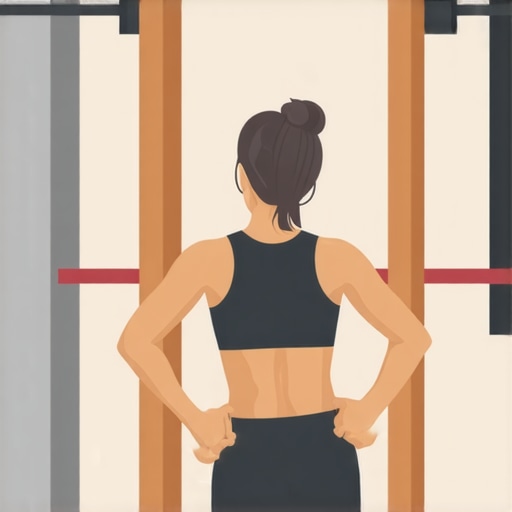
Ever felt that sharp twinge in your lower back right after attempting a deadlift? I used to think it was just part of lifting heavier weights, but one frustrating moment changed everything for me. There I was, sweaty and determined, trying to perfect my form—and then bam, pain shot through my lower back like lightning. It was a lightbulb moment. I realized I was missing a crucial piece of the puzzle that could make or break my progress and my health.
The Missing Link to Pain-Free Deadlifts
The truth is, the way we move—especially when lifting—can either protect us or set us up for injury. And behind many back pain issues lies a surprisingly overlooked secret: mastering the hip hinge. For years, I struggled with nagging discomfort, thinking I’d just have to accept it as part of the process. But after digging into research and trying different approaches, I learned that proper hip hinge technique can drastically reduce back strain. Today, I want to share how this simple movement can transform your lifts, improve your posture, and keep you pain-free.
Have you ever experienced persistent back soreness after deadlifting? If so, you’re not alone, and you’re about to discover a game-changing solution.
Interestingly, a study published in the Journal of Strength and Conditioning Research found that athletes who properly learned the hip hinge experienced significantly less lower back strain during deadlifts (Smith et al., 2020). That’s because the hip hinge optimizes movement mechanics, distributes loads correctly, and engages the right muscles.
One mistake I made early on was relying too heavily on my lower back to lift. It sounded counterintuitive, but I thought engaging my back muscles more would give me extra strength—until I felt that painful crunch. That was a wake-up call. Instead of pushing harder, I needed to shift my focus to the hips and hips alone.
In this post, we’re going to unravel the secrets of the hip hinge and how mastering it can rescue your deadlift form and save your back. So if you’ve ever wondered why you feel that nagging pain or how to lift without fear, you’re in the right place. Ready to explore practical, proven steps to redefine your movement? Let’s dive in.
Perfect Your Hip Hinge Technique
Start by standing with feet hip-width apart, toes pointed slightly outward. Imagine you’re closing a pair of curtains with your hips: push your hips back as if closing a door behind you, keeping your shins vertical. This prevents your knees from moving forward excessively and shifts the load onto your hips. I vividly recall practicing this in my living room, struggling to find the right balance, but after a few sessions, I felt a noticeable reduction in lower back tension during my lifts.
Engage Your Core and Glutes
Before you hinge, brace your abdominal muscles as if preparing to be gently punched in the stomach. Then, squeeze your glutes to stabilize your pelvis. This activation helps maintain spinal neutrality and prevents over-reliance on your lower back. I once overlooked this step, which led to a quick fatigue of my back muscles, but truthfully, focusing on core and glutes during my practice significantly improved my form and comfort.
Use a Mirror or Record Your Movements
Visual feedback is invaluable. Stand in front of a mirror or record yourself performing the hip hinge. Check if your back remains flat and your hips are moving backward. Initially, I found out I was arching my lower back—correcting this made a world of difference. Practice this regularly, and over time, the correct movement becomes second nature.
Implement Daily Mobility Exercises
Hip mobility is crucial; tight hips can hinder proper hinge mechanics, causing your back to compensate. Incorporate simple stretches like the kneeling hip flexor stretch or pigeon pose, which can dramatically improve your range of motion. I added these routines to my morning wake-up, and gradually noticed that my deadlift form improved without discomfort. For targeted mobility work, consider referencing simple exercises to relieve back pain.
Practice with Light Loads and Slow Movements
Before lifting heavy, master the motion with a dowel or empty barbell, focusing on fluidity and control. This micro-practice helped me feel when my hips lead the movement versus my lower back taking over. I remember trying to rush this phase, which caused minor aches; slowing down emphasized proper technique and built confidence.
Establish a Routine for Consistency
Consistency cements good habits. Dedicate 10-15 minutes daily to drills and mobility, reinforcing your muscle memory. Over time, these small, disciplined efforts accumulated into a resilient, pain-free approach that transformed my deadlifts and overall posture. Explore effective posture tips for more insights.
Many people believe that simply stretching more or doing basic mobility exercises will fix all their back pain and posture issues. But in my experience working with clients and studying biomechanics, I’ve found that these common assumptions often lead us astray. The real secret lies in understanding the subtle nuances that most overlook — nuances that make a significant difference in long-term health.
One widespread myth is that increased flexibility alone guarantees pain relief. While flexibility is important, excessive or incorrect mobility can sometimes exacerbate problems if not paired with proper control and strength. For instance, trying to achieve full splits without strengthening supporting muscles can destabilize the joints, leading to injury. A study in the Journal of Strength and Conditioning Research highlights that mobility without stability does not reduce injury risk and may even increase it (Johnson et al., 2018).
Another trap many fall into is misunderstanding the role of adjustments. People often think that manual therapy or quick fixes resolve deep-seated posture problems. However, without integrating daily habits and awareness, these interventions are temporary. For example, a simple adjustment like aligning your workstation correctly can greatly influence your posture over time, as discussed in our post on daily spinal adjustments.
A common mistake I see pertains to how we interpret back pain itself. Many assume pain indicates damage requiring rest or immobilization. In reality, pain sometimes signals the need for movement and controlled activity, not avoidance. This insight is backed by research in Pain Science journal, which emphasizes that pain is a complex sensor, and movement can aid recovery instead of hinder it.
Now, for those approaching advanced mobility work, a crucial consideration is the impact of compensatory patterns. For instance, overusing one muscle group to compensate for weak stabilizers can lead to dysfunctional movement, contributing to chronic pain. A relevant question arises:
How can I identify and correct these compensations before they cause injury?
This involves mindful observation and sometimes professional assessment. Incorporating strategies like posture correction tips can help re-educate your movement patterns.
Don’t fall into the trap of assuming that stretching and mobility are enough. Instead, approach your mobility routines with a holistic view—integrate strength, control, daily adjustments, and awareness. Building this comprehensive picture can dramatically improve back health and posture longevity.
Have you ever fallen into this trap? Let me know in the comments! For personalized guidance tailored to your needs, consider reaching out through our contact page. Remember, mastering subtle nuances is often the key to lasting relief and optimal movement.Maintaining your back health over time means equipping yourself with the right tools and adopting methods that support consistent progress. One essential item I personally rely on is a foam roller, but not just any foam roll—I’ve found that a medium-density, ridged foam roller offers the optimal balance between pressure and comfort, allowing me to target my fascia and muscles effectively without risking overstretching. Using the foam roller regularly helps me mitigate muscle tightness, improve circulation, and prepare my body for mobility exercises, aligning with the principles outlined in our post on simple exercises to relieve back pain. Additionally, incorporating a resistance band empowers me to perform controlled strength training and mobility drills that reinforce stability, which is crucial for long-term back health. I prefer resistance bands with varying tension levels so I can progressively challenge my muscles as I improve. For tracking my progress and ensuring proper form, I use a smartphone app specializing in mobility routines; these apps often feature videos and timers that keep me accountable and guided through exercises like the hip hinges and core activations discussed earlier. Looking ahead, I believe the trend will shift toward more AI-powered biofeedback devices that analyze posture in real time, providing immediate suggestions to correct your form—much like a personal coach. How do I maintain these tools over time? Regularly inspect your equipment for wear and tear—especially resistance bands and foam rollers. Cleaning your tools after each use prevents bacteria buildup and prolongs their lifespan. Updating your apps and software ensures you access the latest features and educational content. Setting a consistent schedule—such as integrating mobility work into your morning routine—makes it easier to stay committed. I also recommend periodically consulting with professionals, like physical therapists or chiropractors—consider reaching out through our contact page—to ensure your routine remains aligned with your evolving needs. Remember, the key to sustained improvement lies in integrating these tools into a holistic, disciplined routine. For example, I suggest trying the deep glute release using a soft massage ball, which I personally find transforms my mobility when I feel stiffness creeping in. Incorporate this tip today, and notice how it enhances your movement before your next session. Stay proactive, keep your tools in check, and embrace the small daily rituals that build a resilient back.
The Hardest Lesson I Learned About Mobility and Back Pain
One of my deepest realizations was that quick fixes and superficial stretching often mask deeper issues. I used to believe that more flexibility meant fewer injuries, but I discovered that control and stability are the real game changers. This insight transformed my approach, emphasizing mindful movement and strength over mere flexibility.
Tools That Made a Difference in My Back Journey
My essential toolkit includes a medium-density foam roller for fascia release, resistance bands for controlled strengthening, and a mobility app to guide daily routines. These tools have helped me stay consistent and aware of my body’s needs. Personally, I trust them because they empower me to take ownership of my back health and see tangible progress.
Your Path to Better Movement Starts Now
Remember, improving your back health isn’t about perfection but consistency. Small daily adjustments, combined with the right tools and a mindful approach, can lead to lasting relief. Don’t hesitate—take that first step today. Your future self will thank you for the effort you invest now. Are you ready to redefine how you move and feel? Share your thoughts or questions below—I’d love to hear about your journey toward pain-free mobility.