
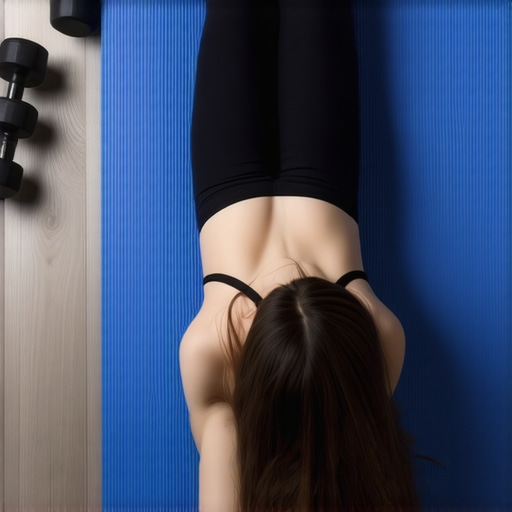
Have you ever felt a sudden twinge in your lower back while reaching for something or even just sitting at your desk? I remember the exact moment — a sharp, unfamiliar pang that made me realize how fragile my core stability truly was. It wasn’t sharp enough to send me straight to the chiropractor, but it was enough to spark a lightbulb moment. I had been neglecting my weak abs and their vital role in supporting my spine. That day, I committed to finding a way to strengthen my core without risking further pain.
The Real Struggle Behind Weak Abs and Back Discomfort
From my personal experience, I know how discouraging it can be to want to strengthen your core but feel overwhelmed by complicated exercises or unsure if you’re doing the right thing. Many of us start with big, intense routines that end up aggravating our back pain or feeling ineffective. What truly made a difference for me was finding a simple, manageable movement that targeted weak abs while minimizing strain on my back. That’s when I stumbled upon the Deadbug Variation, a surprisingly gentle yet effective exercise that I now swear by.
Here’s the thing: if you’re tired of feeling like your core isn’t packing the punch it needs, or if you’re worried that any move might make your back worse, I promise this could be a game-changer. Today, I’ll share the secrets that made this exercise work wonders for me, and—more importantly—how you can incorporate it into your routine safely and effectively.
Feeling Skeptical About Deadbug Exercises?
I hear you. I was skeptical at first, too. My initial mistake was trying to force my weak abs into complicated crunches and planks that only made my discomfort worse. Early on, I overlooked the importance of proper technique and starting slow. Trust me, not all core exercises are created equal, especially when dealing with back issues. Often, the key lies in simplicity and mindful movement. If you want to avoid common pitfalls and turn your weakness into strength, keep reading.
For more insights on relieving chronic back pain, check out this resource.
Getting into Position
Lie flat on your back with your arms extended toward the ceiling and knees bent at 90 degrees, feet hovering above the ground. Imagine stacking your joints like building blocks—keeping everything aligned to prevent unnecessary strain. I remember lying there for the first time, feeling awkward, but I focused on feeling grounded—like a sturdy table with evenly balanced legs. This initial setup is crucial to ensure proper engagement and reduce the risk of hurting your back.
Engaging Your Core Correctly
Before moving limbs, gently draw your belly button toward your spine, tightening your deep abdominal muscles. Think of it as zipping up a tight jacket—firm but not breathless. During my first attempt, I neglected this cue and flared my ribs, which caused my lower back to arch painfully. Practicing this activation helped me stabilize, making subsequent movements safer and more effective.
Controlled Limb Movements
Extend your right arm behind your head and straighten your left leg toward the floor, keeping your lower back pressed into the ground. Move slowly, like you’re drawing a line in molasses—no rushing. I once tried to speed through, but my pelvis tilted, and I felt a sharp twinge. Slowing down allowed me to focus on maintaining core engagement and spinal alignment. Lower your limbs just a few inches, then return to start. Repeat on the opposite side, ensuring each move is deliberate and controlled.
Maintain Neutral Spine Throughout
Picture your spine as a gentle curve—neither flattened nor overly arched. Use your hands to feel the natural curves and ensure your back doesn’t lift off the ground. During practice, I placed my hands under my lower back to verify I wasn’t arching excessively. Any lift or wobble indicates your core isn’t engaged enough or your pelvis is shifting. Consistently check your form, like a pilot checking instruments before flight, to stay safe and effective.
Focus on Breathing
Inhale as you prepare, then exhale slowly as you switch limbs, contracting your abdominal muscles. This breath control ensures your core stays active and prevents holding unnecessary tension. I initially held my breath, which increased pressure and discomfort. Synchronizing breath with movement created a rhythm that made the exercise feel more natural and less stressful.
Incorporate Movement Variations
Once comfortable, add small twists or leg lifts to challenge your core further, but only if your form remains solid. Like seasoning in a recipe, these variations enhance flavor without overpowering the dish. Remember, the goal is steadiness, not speed or complexity. I remember trying to accelerate my reps, but that led to collapse in form. Patience with gradual progress yields the best results without risking injury.
Keep Consistency and Listen to Your Body
Perform this exercise 3-4 times a week, adjusting intensity as needed. If you feel pain or significant discomfort, pause and consider consulting a professional at this contact page. It’s important to treat your body with respect and not push through pain, as that can undo your progress and cause setbacks. Remember, small, consistent steps build a resilient core over time.
Integrate these techniques into your routine carefully, and you’ll start noticing improved stability, reduced back pain, and better posture. If you’re looking for more ways to enhance your mobility, check out this resource.
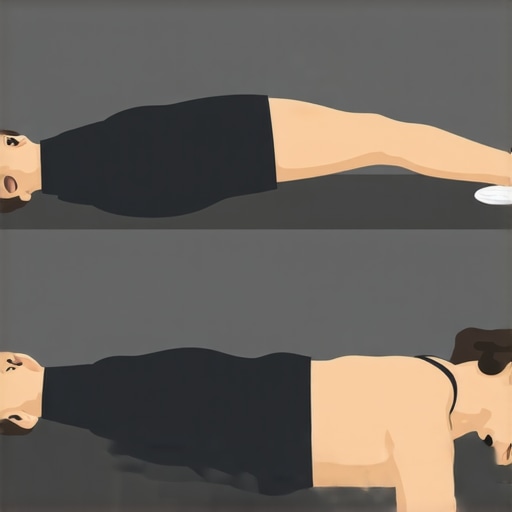 When it comes to posture, adjustments, and back pain, many of us fall prey to oversimplified advice that misses the nuanced reality of human biomechanics. One common misconception is that perfect, textbook alignment equals optimal health, but in reality, posture is highly dynamic and individual. For example, some clinicians emphasize static postural correction without considering how everyday movements and daily habits influence spinal health. This oversight can lead to ineffective interventions or even aggravate existing issues. Advanced practitioners know that a tailored approach—integrating both posture cues and functional movement patterns—is essential for lasting relief.
Another nuance often overlooked is the role of neural feedback and proprioception. Many assume that muscle strengthening alone fixes postural problems, but recent research highlights how proprioceptive deficiencies can impair the body’s ability to maintain optimal alignment voluntarily. This is where exercises targeting sensory re-education come into play, which are often absent from typical routines but critical for sustainable improvement. For instance, incorporating balance and joint position awareness drills can significantly enhance postural stability, as shown in studies published in the Journal of Physical Therapy Science.
Why do many adjustment techniques sometimes backfire for complex cases?
Contrary to the belief that spinal adjustments universally offer quick fixes, expert consensus indicates that for individuals with chronic or layered issues, adjustments need to be part of a comprehensive plan—otherwise, there’s a risk of creating instability or compensation patterns. Over-enthusiastic manipulation without addressing underlying movement dysfunctions can lead to what’s called “adjustment dependency,” where the body relies on adjustments rather than developing intrinsic control. This phenomenon underscores the importance of integrating postural education with manual therapies and mobility exercises, a strategy detailed in resources like the comprehensive guide on posture correction.
Beware the trap of equating pain relief with real healing. Temporary reductions in discomfort after an adjustment might mask deeper motor control deficits or compensations that will resurface later. A more advanced mindset involves tracking how movement patterns change over time, not just symptom severity. As Dr. Stuart McGill emphasizes in his work, addressing core stability and movement efficiency is paramount, and often, simple exercises like proprioceptive re-education can prevent the recurrence of pain (see here for practical tips).
Finally, the widespread myth that stretching alone cures back pain neglects the intricate balance between mobility and stability. Over-stretching tight muscles without reinforcing the supporting strength can destabilize the spine and worsen symptoms. The key nuance is recognizing that most effective programs include both targeted mobility and strength training, tailored to individual needs. For instance, integrating daily adjustments and functional exercises tailored for your unique movement patterns can be more beneficial than generic routines. Learn more about customizing your approach in this resource.
Have you ever fallen into this trap? Let me know in the comments.Maintaining the progress you’ve made in improving posture, reducing back pain, and enhancing mobility requires deliberate strategies and the right tools. Personally, I rely on specific equipment and routines that reinforce the habits I’ve developed. One essential tool is a high-quality foam roller, which I use regularly to release my lumbar and thoracic tension. Its dense surface helps in breaking up fascial adhesions and maintaining flexibility, especially after long days of sitting. I prefer the grid-patterned foam rollers because they provide targeted pressure without being too aggressive, making them suitable for daily use. Additionally, I incorporate a stability ball into my routine as a dynamic chair alternative; it encourages active engagement of core muscles throughout the day and promotes better spinal alignment. Unlike traditional chairs, sitting on a stability ball challenges your posture and can counteract the slouching tendencies caused by prolonged desk tasks.
Throughout my experience with back pain and mobility challenges, I uncovered personal insights that no generic guide could offer. One pivotal lesson was recognizing that progress is rarely linear; sometimes, setbacks teach us more than early victories. I also learned that patience in mastering subtle adjustments—like mindfully aligning my pelvis during daily routines—can yield profound results over time. Lastly, I realized the importance of listening deeply to my body’s signals, understanding that discomfort isn’t just noise but a sophisticated communication system guiding better habits.
My Essential Tools for Better Back Health
The foam roller became my secret weapon, helping release fascial tension and maintain flexibility; I trust the dense, grid-patterned types for their targeted release. A stability ball turned out to be invaluable, transforming sitting time into an active engagement of core muscles, promoting upright posture naturally. I also relied on educational resources like Mobility Mastery, which offers practical, evidence-based exercises that complement manual therapies perfectly. And for personalized guidance, my go-to is always consulting professionals through this contact page to ensure my routines stay safe and effective.
Your Path Begins Now
Embarking on a journey to improve posture, back health, and mobility is a personal voyage worth taking. Every small step—whether it’s practicing mindful core engagement or incorporating simple mobility routines—builds resilience and confidence. Remember, progress is about consistency and patience, not perfection. With the right knowledge and tools, you can transform your daily habits into powerful allies for lasting well-being. Don’t wait for pain to remind you to act—start today and reclaim your movement freedom.
What has been your biggest breakthrough in improving back health or mobility? Share your story below!
,