
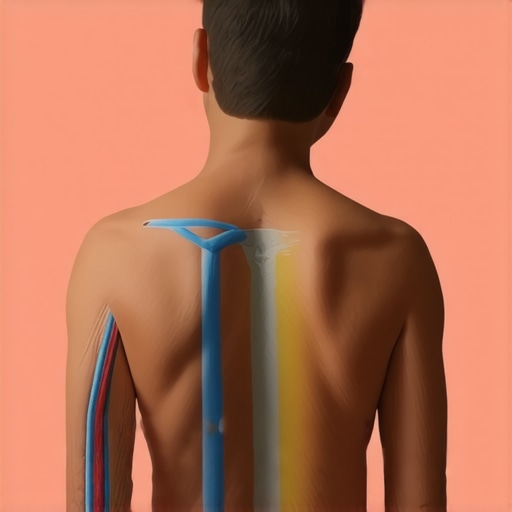
It was a moment I won’t forget. I was sitting at my desk, feeling that familiar tightness creep into my mid-back, and when I tried to take a deep breath, it felt like my muscles just refused to cooperate. My chest expanded, but my back? Stiff, tight, and unyielding. That sensation of being “stuck” while breathing deeply was both uncomfortable and unsettling. It made me realize how often we take our breathing—and our back health—for granted.
Getting to the Heart of the Stiff Mid-Back Problem
This frustrating feeling isn’t just about a muscle that’s tight for no reason; it’s often a signal that something’s off in our posture or movement patterns. When I first faced this, I made the mistake of blindly stretching my back muscles, thinking I needed more flexibility. But that only made things worse. It’s like trying to open a stubborn jar without checking if the lid is aligned properly.
What I discovered through personal experience—and eventually through professional advice—is that the root cause often lies in how we hold ourselves throughout the day. Poor posture, prolonged sitting, or even subconscious habits can cause the muscles around our mid-back to become overactive or imbalanced, leading to that sensation of being “locked” when we breathe.
Let me ask you—have you ever felt that sharp sting or tightness in your mid-back after a long day, especially when you tried to inhale deeply? If so, you’re not alone. And the good news? There are targeted strategies that can help unravel this tension and restore your breathing freedom.
Before we jump into solutions, it’s crucial to understand why this problem is worth your attention. According to a study published in the Journal of Bodywork and Movement Therapies, dysfunctional breathing is often linked to poor posture and muscular imbalances, which can contribute to chronic pain and decreased mobility (Hodges, 2011). Recognizing this connection means that by improving your posture and mobility, you can breathe easier and reduce discomfort.
Now, let’s explore what’s really happening inside your body and how you can take steps to release that stubborn mid-back tension for good.
Targeted Breathing and Posture Checks
Start with a deep inhale, then exhale slowly, paying attention to areas of tension. Place your hands on your upper back and notice any tight spots. To unearth stubborn knots, use a tennis ball against a wall—position it between your shoulder blade and spine, then gently lean into the ball, moving slowly to find tender points. This palpation pinpoints tightness and prepares your muscles for release.
Implement Gentle Self-Release Techniques
Apply consistent pressure to those tender spots with the tennis ball, holding for 20-30 seconds. This stimulates fascia release and improves mobility. Follow this with controlled breathing—inhale deeply through the nose, expanding your ribcage, then exhale fully. This combined approach helps relax overactive muscles, making breathing effortless.
Incorporate Posture-Enhancing Movements
Next, perform simple mobilizations. Sit upright on a chair or on the floor, clasp your hands behind your neck, and gently arch backward—like opening a window to let fresh air in. This counteracts forward hunching. Remember, consistency is key; integrating these small movements daily keeps the muscles from locking up again.
Optimize Your Daily Routine for Lasting Relief
Adjust your workspace to promote better spinal alignment—raise your monitor to eye level, support your lower back, and take regular breaks to stretch. Engage in routine posture checks—stand tall, relax shoulders, and avoid slouching. Consider a brief walk or a series of shoulder rolls every 30 minutes to keep muscles supple.
*Micro-Story:* My first attempt involved using the tennis ball after a long day at the desk. Initially, I fumbled—missed spots, applied too much pressure—but gradually, I found the tender zones and gave them time to release. The result? A noticeable easing in breathing, and the stiffness in my mid-back reduced significantly. Repeating this daily turned that discomfort into manageable tension, and my breathing improved dramatically.
Remember, small, consistent actions make a significant difference. For personalized guidance, exploring resources like posture corrections and mobility exercises can amplify your progress. Keep moving, stay mindful of your posture, and breathe freely.
When it comes to posture corrections and back pain relief, many believe that simple adjustments or targeted exercises are all you need. However, beneath the surface lies a subtle but critical nuance that often gets ignored: the body’s connection between habitual movement patterns and muscular imbalances. This oversight can lead to frustration, as even after trying the latest posture gadgets or stretches, discomfort persists.
Why do common posture corrections sometimes fall short even when performed diligently?
The truth is, most people focus solely on static alignment—standing or sitting straight during a brief moment—without addressing the dynamic habits that reinforce poor posture throughout the day. For example, repeatedly slouching while working, crossing legs habitually, or unconsciously craning the neck while staring at screens perpetuate a cycle of imbalance, which simple posture fixes can’t resolve alone. According to research by Dr. Stuart McGill, a renowned spine expert, addressing these ingrained movement patterns is essential for long-term pain reduction and functional improvement (McGill, 2010).
Beware the trap of quick fixes
Many fall into the misconception that applying a single modality—such as chiropractor visits, foam rolling, or passive stretching—will fix chronic issues. While these can be beneficial, neglecting the root of habitual movement can render such efforts ineffective over time. An important nuance is recognizing that muscular imbalances develop over time due to repetitive behaviors, not just static postures. Without consciously retraining movement habits, relief can be temporary. To truly benefit, integrating awareness into daily routines—like practicing mindful sitting, standing, and transitions—is crucial. Consider exploring comprehensive strategies that combine adjustments with movement re-education, as detailed in daily spinal adjustments and mobility enhancement tips.
Am I addressing the root causes or just symptoms?
If your approach focuses solely on isolating tight muscles without considering how your habitual movement affects your body’s balance, you’ll miss the bigger picture. For example, a common myth is that stretching the stiff muscles is enough. But if you’re unknowingly overusing certain muscle groups due to poor ergonomics or habits, the tightness will return. An advanced strategy involves *correcting movement patterns* at their source, which can be achieved through targeted exercises and conscious training. This approach aligns with insights from experts and detailed guides like posture correction secrets. Remember, sustainable relief isn’t about quick fixes; it’s about retraining your body’s habits over time.
Have you ever fallen into this trap? Let me know in the comments. Addressing these nuances can make all the difference in achieving lasting back health and mobility.Maintaining a healthy back isn’t just about quick fixes or occasional stretches; it’s an ongoing process that requires effective tools and consistent habits. Personally, I rely on specific equipment and methods that have proven effective in my daily routine, enabling me to sustain mobility and prevent setbacks. One essential tool I swear by is the use of foam rollers and professional-grade massage balls, which help release fascia tightness and keep muscles pliable. For example, I regularly incorporate targeted foam rolling on my thoracic region to improve posture and reduce stiffness, as detailed in my guide on mobility exercises.
Beyond manual tools, utilizing specific software like posture reminder apps can reinforce good habits throughout the day. I use an app that gently alerts me if I slouch or stay in the same position for too long, helping me break subconscious patterns that contribute to muscular imbalances. Incorporating these digital aids complements physical tools and creates a holistic approach to back health.
Regular check-ins with professionals, such as chiropractors or physical therapists, remain vital for long-term success. They can perform precise assessments using tools like digital movement analysis, which provides feedback beyond what the naked eye can detect. This proactive approach aligns with expert recommendations from Dr. Stuart McGill, emphasizing the importance of assessing and addressing movement patterns before pain develops (McGill, 2010).
Looking ahead, the trend points toward integrating wearable technology—like smart posture trackers—that can monitor your spinal alignment in real-time and provide immediate feedback. These innovations promise to make maintaining good posture effortless and continuous, reducing the risk of chronic issues.
**How do I keep my back in top shape over time?** The key lies in combining manual tools like foam rollers and massage balls with smart technology and professional assessments. Once you integrate these tools into your daily routine, the benefits ripple into your overall well-being, drastically reducing the likelihood of pain recurrence.
To start, I recommend trying a targeted self-myofascial release session using a tennis ball or foam roller on your mid-back area. Apply gentle pressure to tender spots, hold for 20-30 seconds, and then perform controlled breathing to relax your muscles. This simple yet effective step can make a noticeable difference in your mobility and comfort. For detailed guidance, explore my article on daily spinal adjustments.
Remember, maintaining back health is an investment—not a one-time event. Combining physical tools with technology and ongoing professional support sets the foundation for sustained mobility and pain-free living. So, why not give that tennis ball a try today and experience the difference firsthand? Your back will thank you.
The Hardest Lesson I Learned About Posture and Mobility
Early on, I believed that quick fixes—like isolated stretches or gadgets—would solve my back issues. It wasn’t until I recognized that habitual movement patterns and subconscious habits were the real culprits that I saw lasting change. Embracing an awareness of my everyday actions allowed me to retrain how I moved, sit, and stand, leading to genuine mobility improvements.
How Small Adjustments Can Make a Big Difference
One surprising realization was that minor tweaks, such as elevating my monitor or adding brief posture resets during the day, compounded into significant relief over time. These micro-adjustments reinforced proper alignment and prevented muscles from tightening unnecessarily, illustrating that consistency and attention to detail are key.
The Power of Mindful Movement
Practicing mindful movements—like slow, controlled mobilizations—helped me reconnect with my body and identify tension before it became painful. This approach fostered a proactive attitude, turning passive routines into active habits that support spinal health continually.
Investing in Knowledge Changed Everything
Simple, trusted resources—such as the comprehensive guides on mobility exercises and detailed posture corrections—empowered me to take charge. Understanding the underlying mechanics and applying targeted strategies transformed my back health, proving that education is the foundation of sustainable relief.
Curated Gems for Lasting Back Wellness
Over the years, I’ve come to trust specific tools and resources. Manual therapies like foam rolling and massage balls—described thoroughly in my favorite mobility tactics—are invaluable for fascia release. Complementing these with digital cues from posture reminder apps, and periodic professional check-ins, creates a holistic approach. For deeper insights, exploring articles on posture correction secrets has transformed my routine.
Your Next Step Towards Freedom and Flexibility
Remember, achieving long-term back health is less about chasing quick fixes and more about cultivating mindful habits that support your body’s natural alignment. Embrace the small daily actions—like mindful stretches, posture checks, and intentional movement—because they compound into lasting benefits. Ready to start your journey? Your back will thank you for it.