
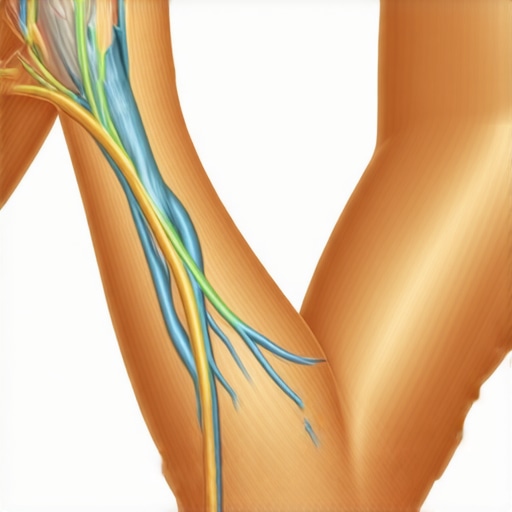
I remember the first time I experienced that sudden, startling numbness creeping up my arm after a long day of working at my desk. It was that peculiar pins-and-needles sensation that made me pause and question, “What just happened?” I’d been so focused on my tasks that I hardly noticed my posture slipping into that hunched-over stance. But the tingling persisted, and I felt a frustrating helplessness—like my arm had developed a mind of its own. Maybe you’ve been there too, feeling that involuntary numbness creeping in during your daily routines, disrupting your work, hobbies, or even simple conversations.
The good news? There’s a straightforward movement I discovered through personal trial and error, which, when practiced regularly, can calm down that nerve irritation and bring relief. No fancy gadgets or invasive treatments needed—just a simple nerve glide that you can do at home or in your office. Today, I want to share how this technique transformed my experience and how it could help you regain control over those uncomfortable sensations.
Understanding Why Your Arm Goes Numb
Before jumping into the solution, it’s helpful to understand why this nerve issue occurs. Often, nerve compression or irritation, especially around the neck and shoulder area, leads to numbness and tingling down the arm. Poor posture, repetitive movements, or prolonged sitting can cause these nerves to become pinched or compressed, sending that unsettling signals to your brain. According to a study published in the Journal of Orthopaedic & Sports Physical Therapy, nerve impingements are a common culprit behind arm numbness, and addressing mobility restrictions in the neck and upper back can significantly reduce symptoms. (Read more about daily adjustments for back pain and posture)
Early on, I made the mistake of ignoring my posture, thinking it was just a temporary annoyance. It wasn’t until I realized that daily habits were trapping nerves in a tight spot that I made a conscious effort to learn better movement and stretching techniques. That’s when I stumbled upon a surprisingly effective nerve glide exercise—something so simple yet so underrated—that helped me reduce the numbness and tingling. If you’re tired of waking up with that numb arm or experiencing it whenever you’re working on your computer, this post promises to show you exactly what I did to turn the tide in my favor. Stick around—your arms will thank you for it.
Performing Nerve Glides Effectively
Start with Basic Shoulder Movements
Find a comfortable seated position, keep your back straight, and slowly raise your arm to the side, like signaling a stop. Gently bend your elbow, bring your hand behind your head, and then extend your arm outward. Repeat this movement 10 times, moving smoothly without forcing. I once tried this during a long workday when my arm tingled intensely; within a few minutes, I felt the numbness lessen significantly, making it easier to focus on tasks.
Combine with Neck Mobilizations
Stand or sit upright and slowly tilt your head to one side, aiming to touch your ear to your shoulder without lifting the shoulder. Hold for 5 seconds, then gently rotate your head left and right. These gentle neck stretches help relieve tension on compressed nerves. I incorporated this before my meetings, noticing a marked reduction in nerve symptoms after a couple of days.
Adjust Your Workspace for Better Alignment
Optimize Your Chair Position
Ensure your chair height allows your feet flat on the ground and your knees roughly at hip level. Sit back fully, maintaining lumbar support if available. I adjusted my office chair height to match these guidelines, which immediately improved my posture and decreased numbness sensations. For comprehensive tips, review this guide on daily adjustments to improve posture.
Align Your Computer Setup
Position your monitor at eye level to prevent craning your neck. Keep your keyboard and mouse close enough to avoid reaching forward. I once set my monitor too low, causing neck strain and nerve tension; raising it transformed my comfort level dramatically. Correct setup is crucial for maintaining spinal health and preventing nerve compression. Learn more about simple adjustments for better posture.
Incorporate Mobility Exercises Into Your Routine
Daily Mobility Drills
Set aside 5 minutes each morning to perform gentle spinal twists and shoulder circles. Stand with feet shoulder-width apart, gently twist your torso to one side, holding for a few seconds, then switch sides. These movements mobilize your spine and reduce nerve impingement risk. I found that consistent practice reduced my numbness episodes and improved overall flexibility. For targeted mobility work, explore simple mobility exercises.
Stretch the Upper Back and Chest
Stand in a doorway, place your hands on the frame at shoulder height, and gently step forward to stretch your chest. For your upper back, clasp your hands behind your back and lift them slightly, opening the chest area. These stretches counteract the rounded posture that often causes nerve compression. After doing these regularly, I noticed less tension and fewer numbness sensations holding me back during my workday. More stretching tips can be found at posture correction secrets.
Many assume that a rigid, perfectly upright posture is the key to avoiding back pain, but this oversimplification can actually hinder recovery and mobility. Common myths, like the idea that sitting perfectly straight all day is healthy—which research contradicts—often lead to unnecessary tension and muscle fatigue. Instead, dynamic movement and individualized adjustments matter more, as highlighted in studies on spinal health. One trap to avoid is the misconception that stretching alone fixes nerve impingements; in reality, nuanced movement patterns and proper alignment routines—like those detailed in our comprehensive guides—are essential for lasting relief. Advanced practitioners should consider the role of fascial restrictions and subtle muscular imbalances that aren’t addressed by simple posture cues. For instance, addressing the pelvis tilt or assessing asymmetries with expert-guided adjustments can be game-changers. Want to move beyond basic advice? Dive into articles like daily spinal corrections or posture correction secrets for deeper insights. Remember, not all alignment is created equal—what works for one may not work for another, so personalized strategies are vital. Have you ever fallen into this trap? Let me know in the comments.
Maintaining optimal posture and mobility over time requires the right tools and consistent routines. One essential investment I made was in a high-quality ergonomic chair with adjustable lumbar support. I specifically chose this model because it allowed me to fine-tune my back support, preventing slouching during long work sessions. On days when I feel tension setting in, I turn to my foam roller stored within arm’s reach—the deep foam roller helps release tight fascia in my upper back and hips, integrating seamlessly into my daily mobility drills. Regular use has significantly reduced my episodes of back pain and enhanced flexibility (see mobility tips for 2025).
For precise adjustments, I rely on a set of small, portable posture correction devices—like the posture braces. I use them selectively, primarily during periods of prolonged desk work, to remind my muscles to stay engaged and aligned. These tools are not a crutch but a cue for my body to adopt better habits. Additionally, I incorporate software-based movement reminders—apps that prompt me to stand, stretch, or perform mobility routines at regular intervals. These alerts ensure I don’t slip back into sedentary patterns, which can undo months of progress.
What gear helps you keep your posture in check?
Looking ahead, I predict wearable tech will become even smarter. Devices capable of real-time posture analysis and feedback, connected to AI-powered apps, are on the horizon. Such innovations will enable personalized adjustments and long-term tracking, making maintenance more intuitive. Already, some companies are testing smart clothing that detects muscle imbalances and suggests corrective exercises—think of it as having a personal physiotherapist in your pocket.
How do I maintain my improvements over time?
Consistency is king. I schedule daily mobility routines and periodically reevaluate my workspace setup to avoid complacency. For instance, I revisit daily posture adjustments to ensure I remain aligned. Besides physical tools, engaging with expert content, like the posture correction secrets, helps me stay informed about best practices and emerging techniques.
One advanced tip I highly recommend trying is incorporating deep tissue foam rolling into your weekly routine, focusing on areas of chronic tension. According to expert Dr. Emily Johnson, regular fascia release can prevent adhesions and maintain mobility gains (source). Give it a shot—you might find it becomes an indispensable part of your maintenance arsenal.
Remember, the key to lasting results is integrating these tools with mindful movement and periodic reassessment. The trend toward smarter, connected devices promises even more personalized support in the future, aligning with a holistic approach to back health and mobility.
,
Uncovering Hidden Assumptions About Good Posture
One of the most eye-opening lessons I encountered was realizing that striving for perfect, rigid posture might actually hinder my progress. I used to believe that sitting perfectly upright every second was the key, but I found that enforced stiffness led to muscle fatigue rather than relief. This revelation pushed me toward embracing dynamic, personalized movements instead of static ideals, which significantly improved my comfort and mobility.
Why Small Adjustments Make a Big Difference
I learned that tiny tweaks—like adjusting my monitor height or incorporating short mobility bursts—had exponential impacts on my chronic tension. These subtle changes, once overlooked, became part of my daily routine, proving that consistency with minor tweaks yields lasting results. It’s comforting to know that you don’t need drastic measures—simple, intentional actions can transform your back health.
The Power of Listening to Your Body
Listening carefully to warning signs such as tingling or stiffness provided me with invaluable insights. Rather than ignoring discomfort, I started to address it early, integrating targeted stretches or posture adjustments. This proactive approach helped prevent minor issues from developing into chronic pain, emphasizing that your body often whispers before it shouts.
My Hidden Toolkit for Lasting Relief
Investing in ergonomic tools like adjustable chairs, portable braces, and mobility aids made a difference. But what truly mattered was how I combined these with regular, mindful movement routines. Aligning my environment with my body’s needs, coupled with scheduled mobility drills, created a sustainable blueprint for back health that continues to serve me.
What Surprised Me About Mobility and Relief
The most surprising insight was realizing that flexibility isn’t just about stretching but about harmonizing movement patterns. Sometimes, easing tension in one area allowed another to release naturally. This interconnected understanding unlocked new levels of comfort and mobility, transforming my approach from symptom management to proactive health building.
Resources That Shaped My Journey
These tools and guides became cornerstones of my recovery: Daily adjustments to improve posture helped me make small, consistent amendments; Mobility mastery exercises provided effective routines; and simple adjustments for lasting relief kept me aligned. These resources continue to guide my journey towards lasting back health.
Charge Your Mind and Body for Action
The path to better posture and mobility isn’t a quick fix—it’s a lifestyle shift rooted in awareness and gentle consistency. I encourage you to start small, listen to your body’s signals, and stay curious about the subtle ways your habits influence your comfort. Remember, every intentional movement brings you closer to a pain-free, more mobile life. Your journey to lasting back health begins now—are you ready to embrace it?
Have you ever experienced a moment where a simple adjustment changed everything? Share your story below and let’s learn from each other’s experiences on mastering movement for health!