
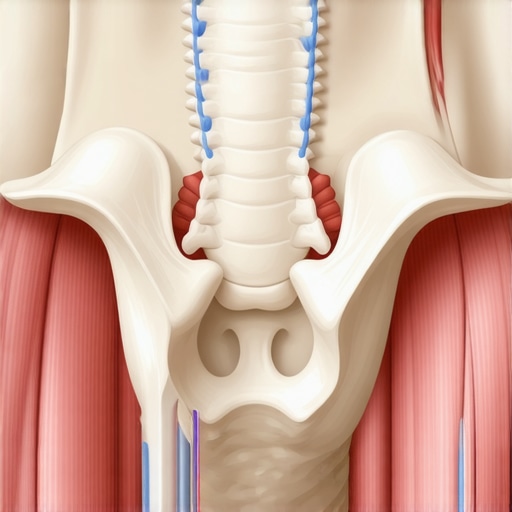
I remember the moment vividly—standing in my bathroom, trying to bend down to grab my toothbrush, only to be met with a sharp, unexpected jolt in my lower back. It wasn’t just stiffness; it was like my spine had betrayed me after years of ignoring the clues my body was trying to send. That day marked a turning point, a lightbulb moment where I realized that my back pain wasn’t solely about my muscles or posture, but deeply connected to my pelvic floor.
The Hidden Link Holding You Back—Literally
Many of us brush off persistent lower back pain as just part of aging or the wrong move during exercise. But what if I told you that the real culprit could be your pelvic floor muscles? These often-overlooked muscles are like the body’s core stabilizers, supporting your spine and pelvis. When they’re weak or overly tense, they can wreak havoc on your lumbar region, leading to ongoing discomfort.
Early on, I made a mistake common among many who seek quick fixes—focusing solely on stretching or strengthening my back muscles without addressing the root cause. Trust me, that approach leads nowhere fast and can even worsen the problem. It was only after I started exploring the role of my pelvic floor that I began to see real, lasting change.
The connection between pelvic health and lower back pain isn’t just theoretical. Research indicates that dysfunction in the pelvic floor can contribute to chronic back issues, especially because these muscles influence lumbar stability and alignment. Understanding this link is truly eye-opening and essential for anyone tired of temporary relief.
If you’ve been struggling to find answers or relief, chances are you haven’t yet considered your pelvic floor as part of the equation. And honestly, once I did, everything started to click. There’s a whole new world of mobility and comfort waiting just beneath the surface.
But here’s the kicker—many people don’t realize how integral their pelvic health is to their overall back wellness, mainly because the topic is shrouded in stigma or simply overlooked in conventional treatments.
Are you tired of endless back pain cycles that never truly go away? Has persistent discomfort kept you from enjoying daily activities or even restful sleep? If so, you’re not alone, and there’s hope. By adjusting our understanding and approach, we can make meaningful progress.
In the next sections, we’ll uncover practical strategies to address this connection, starting with simple awareness practices and targeted exercises. To get a head start, consider exploring ways to improve your spinal mobility that complement pelvic health, like the tips found [here](https://chiromasteryz.com/master-your-mobility-top-strategies-for-moving-without-pain). Remember, even small changes can lead to significant relief.
Let’s dive deeper into how your pelvic floor influences your back and what actionable steps you can take today to regain control and move freely again.
Start with Awareness of Your Pelvic Floor
Before jumping into exercises, pause and focus on your pelvic region. Lie on your back, knees bent, feet flat. Place your hands on your lower abdomen and pelvic area. Breathe deeply, feeling your pelvic muscles expanding and contracting. This moment of awareness helps you identify what feels weak or tense, like tuning into a musical instrument before playing.
Master Proper Pelvic Floor Engagement
Next, learn to activate these muscles correctly. Imagine you’re trying to stop urinating midstream—this flexes the pelvic floor. Contract gently, hold for 3-5 seconds, then release slowly. Avoid squeezing your thighs, buttocks, or abdomen. Consistent practice builds control, like strengthening the strings of a guitar.
Incorporate Breath-Control Techniques
Combine pelvic engagement with controlled breathing. Inhale deeply through your nose, expanding your belly, then exhale slowly, tightening the pelvic muscles as you breathe out. This coordination enhances muscle stability. Think of it like steadying a boat by balancing the sail and rudder together.
Integrate Pelvic Floor Exercises into Daily Routine
Set aside 5 minutes twice a day for targeted exercises. Start with simple contractions, then progress to more dynamic movements like pelvic tilts. For example, lie on your back, knees bent, and tilt your pelvis so your lower back presses into the floor. Hold for a few seconds, then release. It’s like calibrating your body’s foundation, ensuring stability for the entire spine.
Apply Micro-Adjustments During Daily Activities
Throughout the day, make small adjustments to maintain pelvic and spinal alignment. When standing or sitting, imagine gently lifting your pelvic floor muscles to prevent slouching. For instance, when you stand up from your desk, engage your pelvic muscles first, then straighten up as if rising from a chair with core support. These micro-movements act like subtle nudges to keep your posture stable.
Combine Pelvic Focus with Mobility and Posture Corrections
Enhance your efforts by integrating mobility exercises like hip openers and stretches for your lower back. Use routines recommended in mobility mastery guides to free stiff muscles that could hinder pelvic engagement. Think of your body as a well-oiled machine; every part needs to move smoothly for optimal support.
Progressive Challenges for Lasting Change
As control improves, increase your exercises’ complexity. Try adding brief holds or slow movements, like pelvic tilts on an unstable surface or incorporating light resistance. This progression is like tuning a guitar to perfect pitch, gradually refining your body’s harmony between strength and flexibility.
Monitor and Adjust Your Routine
Pay close attention to how your back feels during and after exercises. If discomfort persists, revisit basic awareness or consult a professional. Implement routine checks, similar to regular tune-ups for your car, ensuring your efforts stay aligned with your goal of pain-free movement.
Remember, consistency is key. Small, deliberate actions each day build a resilient foundation, turning fleeting relief into permanent freedom from back pain. For a comprehensive approach, explore flexibility and mobility exercises that support pelvic health.
Many individuals are misled by common myths surrounding back pain and posture, which often lead to ineffective or even harmful practices. One prevalent misconception is that pushing harder with aggressive stretching or heavy lifting will automatically fix chronic issues. However, evidence suggests that proper mobility isn’t about relentless stretching but about understanding the nuanced relationship between soft tissue flexibility and joint stability. For instance, a study published in the Journal of Bodywork and Movement Therapies highlights that over-stretching without addressing muscular imbalances can exacerbate pain rather than alleviate it. Instead, focusing on targeted mobility strategies, like those recommended in mobility mastery guides, can yield better results.
Are Mobility Exercises Sometimes Counterproductive for Chronic Back Pain?
Many assume that increased flexibility always benefits back health. But doing too many passive stretches or unfamiliar movements without proper assessment might destabilize your spine further. For example, certain inappropriately performed hamstring stretches can torque the pelvis and increase lumbar strain. The key lies in dynamic, controlled movements that enhance joint function, not just elongate muscles. An advanced approach involves integrating mobility work with core stability training, emphasizing that effective back health depends on balanced muscular support. Recognizing this nuance prevents the trap of overemphasizing flexibility at the expense of strength. When you understand how your joints, muscles, and fascia interact, you can tailor a routine that respects your body’s unique needs. For comprehensive strategies, consider exploring flexibility and mobility exercises for active living.
Another common mistake involves misunderstanding spinal adjustments. Many believe that quick fixes like rapid manipulations or cracking sounds resolve deep-seated issues. Contrarily, evidence indicates that long-term relief comes from consistent, gentle alignment techniques combined with neuromuscular retraining, as discussed in daily spinal alignment practices. These actions enhance proprioception and restore natural movement patterns. Jumping straight into forceful adjustments without proper assessment can actually cause micro-traumas that aggravate pain. Thus, it’s essential to incorporate adjustment routines thoughtfully, aligned with your specific pathology. Want deeper insight? Check out effective posture tips designed for lasting back health.
Posture itself is often oversimplified as merely sitting or standing straight. However, the real benefit stems from understanding dynamic alignment—how movement strategies and micro-adjustments throughout the day prevent chronic strain. For example, maintaining good posture during static positions is helpful, but integrating movement breaks and incorporating proper breathing techniques amplifies the benefit. A noteworthy point is that static ‘posture correction’ devices often provide a false sense of security, leading users to neglect the importance of functional movement. This misconception traps many into believing perfect posture means rigidity, which actually compromises mobility over time. Embrace a fluid approach that combines mindful alignment with mobility routines, such as those found in posture correction strategies, for sustainable relief.
In summary, the path to alleviating back pain isn’t a matter of simplistic fixes or blindly following trends. Instead, it demands an integrated understanding of anatomy, movement science, and personalized adjustments. Recognize that pushing through pain, neglecting mobility nuances, or relying solely on quick adjustments can do more harm than good. Always consider your unique circumstances and approach recovery with a holistic mindset. Have you ever fallen into this trap? Let me know in the comments. For personalized guidance, don’t hesitate to reach out through our contact form and start your journey to better back health today.Maintaining a resilient and pain-free back requires not only consistent effort but also the right tools and methods. One of my favorite devices is the **foam roller**, specifically the soft, dense types like the TriggerPoint GRID Foam Roller. I personally use it during my evening routines to release tension in my lower back and hips, which are often tight from sitting all day. Regular rolling helps improve my mobility and reduces stiffness, making daily movements smoother. Another essential tool is a **percussive therapy device**, such as the Theragun. I incorporate it into my routine to target deep muscular knots without the need for invasive interventions, which research suggests can promote blood flow and facilitate recovery in soft tissues. As for software, I highly recommend apps like *MobilityWOD* or *Stretching & Flexibility* which guide you through tailored mobility routines. These digital tools provide structured plans that keep my practice focused and progressive, ensuring long-term results and preventing setbacks. Looking ahead, I predict that wearable technology, like smart posture bands or biofeedback devices, will become increasingly prevalent, offering real-time correction cues to prevent poor habits before they harm your back. But how do I maintain this momentum over time? Consistency and education are key. Developing a habit of daily micro-movements and periodic self-assessments helps me stay on track, and integrating a variety of tools prevents plateaus. If you’re serious about keeping your back in check, I recommend trying the **pelvic tilts with a foam roller**—a simple yet effective exercise supported by research indicating its benefit for lumbar stabilization. Just lie with a foam roller placed horizontally under your pelvis and gently tilt your hips to engage your core and pelvic muscles. It’s a game-changer for long-term health. Interested in more advanced strategies? Explore mobility mastery techniques that can seamlessly fit into your daily routine, like those outlined in our comprehensive guide on moving without pain. Remember, making these tools a regular part of your life is essential for sustained relief—so pick one to start today and notice how your back responds.Over the years, I realized that true progress in healing back pain comes from acknowledging overlooked details. One lesson struck me deeply: patience and consistency matter more than quick fixes. I once thought intense stretching alone could resolve everything, but understanding how small, daily micro-movements influence long-term health changed my perspective entirely.
Another insight was recognizing my body’s signals, not ignoring subtle discomforts—those tiny alarms are often signs of deeper imbalances. By listening carefully and adjusting my routines, I began to see sustainable improvements rather than temporary relief.
Finally, I learned that integrating education with practice accelerates healing. Exploring trusted resources, like specific mobility techniques and posture strategies, provided clarity and direction. This holistic understanding empowered me to take control, transforming my back health journey from frustration to confidence.