
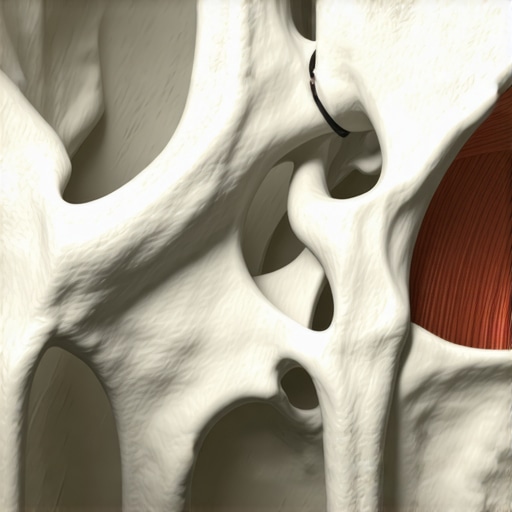
Have you ever experienced that sudden, annoying click in your hips while shifting in your chair or climbing stairs? I remember the first time it happened to me—one minute everything was fine, and the next, I heard that faint but unmistakable pop. It felt like my hip was giving a tiny, rebellious shout for attention. At first, I brushed it off as harmless, but over time, those clicks became more frequent—and sometimes accompanied by discomfort or stiffness. That lightbulb moment hit me hard: I needed to understand why my hips were making these strange noises, and more importantly, how to put an end to it.
Why Do Our Hips Joke Around Like That?
To the untrained eye, a clicking hip might seem trivial—just a minor oddity. But in reality, it often points to underlying issues like joint instability, muscle imbalances, or even poor movement habits. What surprised me early on was realizing that those seemingly innocent pops are sometimes a symptom of deeper misalignments or mobility deficits. According to recent studies, joint sounds like clicking or cracking can occur when tendons or ligaments shift over bony prominences, or when a build-up of minor degenerative changes causes irregular movements within the joint. Recognizing this was my first step toward addressing the root problem instead of just wishing the sounds away.
One very common mistake I made was ignoring my posture during daily activities, thinking it wasn’t a big deal. But neglecting proper alignment, especially during repetitive movements or prolonged sitting, can seriously strain the hips and pelvis. Over time, these small habits compound, leading to increased joint wear and tear, and more frequent clicking. To truly get to the bottom of what’s happening, I had to start paying attention to my daily routines and consider smart adjustments that support healthier movement patterns.
Are you tired of that persistent hip clicking that seems to pop up no matter what you do? If so, you’re in the right place. We’ll explore simple, effective strategies to realign your hips, improve mobility, and finally silence those stubborn clicks. And believe me, based on my own journey, a few minor tweaks can make a world of difference. Curious about how a daily routine adjustment can transform your hip health? You can learn more about simple daily spinal realignment techniques that prevent these issues from escalating.
Is Hip Clicking Actually Worth the Hype?
When I first heard about “hip issues,” I wondered if all the fuss was just hype. But early missteps—like rushing into stretching or ignoring discomfort—taught me a valuable lesson. It’s easy to dismiss those sounds as harmless, but neglecting them can lead to chronic problems down the line. Scientific research supports that addressing such symptoms early on not only reduces pain but also helps restore proper joint function, preventing long-term damage. If you’re worried about spending time and effort on exercises that won’t work, I totally get it. It took me making a few mistakes—like over-relying on stretching without addressing alignment—to realize that targeted adjustments are the real game changer.
So, are you ready to ditch the guesswork and start taking meaningful steps to healthier hips? Let’s dive into some practical tips that I personally found helpful, starting with simple adjustments to your daily routine. Want to see how tiny changes can have a big impact? Check out effective posture tips for 2025 to get started.
Start by assessing your daily habits
My breakthrough moment came when I realized that my sitting posture was a culprit. I had a habit of crossing my legs or sitting with a slouched back during work, which increased strain on my hips. To correct this, I set a timer every 30 minutes as a reminder to adjust my sitting position and stand for a quick stretch. This simple act helped realign my pelvis and reduce unnecessary tension. Think of your sitting position as a delicate hammock that needs even support; uneven support causes noise and discomfort. To make this effective, I invested in an ergonomic chair that promotes better posture—something I’d recommend exploring at effective posture tips for 2025.
Incorporate mobility exercises
Next, I added specific mobility drills into my routine. My favorite was the deep glute release using a soft massage ball, which I did daily. I placed the ball under my glutes and rolled slowly, focusing on tight spots. This analogy helped: imagine your muscles are elastic bands; when they’re tight, they pull and make noise over bones, causing clicking. Releasing these tight muscles eased the joint’s movement, much like loosening a stubborn zipper. I found that consistency was key—embedded this into my morning routine, and over two weeks, my clicking diminished noticeably. You can learn more about simple exercises to relieve back pain that also benefit hip health.
Adjust your movement patterns deliberately
I realized that many of my movement habits—like pivoting on one leg during chores or twisting awkwardly—were contributing to instability. To counter this, I started practicing controlled, deliberate movements. For instance, when bending down, I employed the hip hinge technique, which keeps the spine neutral and distributes force evenly. I visualized my hips as the hinge of a door; smooth, intentional motion prevents unnecessary strain. During one household cleanup, I deliberately concentrated on keeping my hips aligned and slowly pivoted to avoid any jarring clicks. These small adjustments made a significant difference. For more detailed techniques, I recommend exploring the hip hinge technique for pain-free movement.
Consider realignment and supportive tools
Finally, I looked into structural support. While I didn’t opt for professional adjustments immediately, I used pelvic support belts during heavy activities and paid attention to my footwear. If you suspect misalignment, a consultation with a chiropractor can pinpoint structural issues, much like tending to a house’s foundation before remodeling. I also tried exercises to strengthen my core, believing a stable core is critical—think of it as the scaffold holding the building steady. For targeted advice, check out posture correction secrets.
By systematically applying these steps—altering habits, enhancing mobility, refining movement, and seeking structural support—you can significantly diminish or eliminate that annoying hip click. Remember, consistency matters, and small, deliberate actions compound into lasting results. If you want personalized guidance, consider reaching out through contact us to develop a tailored plan that fits your lifestyle and addresses your unique needs.
Many individuals assume that back pain, posture, and mobility issues are straightforward problems solvable with simple stretches or quick adjustments. However, this mindset often leads to misconceptions and ineffective solutions. One common myth is that pain is always due to muscle tightness or disc issues, but in reality, the root causes are frequently more nuanced, involving complex neuromuscular patterns and structural alignments. For instance, relying solely on stretching without addressing underlying joint misalignments or movement compensations can worsen the problem over time. Scientific studies, like those highlighted in the Journal of Orthopedic & Sports Physical Therapy, show that targeted spinal adjustments combined with corrective movement strategies yield more sustainable relief than generic stretching routines.
A critical mistake is overlooking the importance of motor control and proprioception—our body’s ability to sense and correct its position in space. Many people focus on static postures, such as sitting upright, but neglect dynamic stability and proper neuromuscular activation. For example, engaging core muscles during movement, not just while standing still, is vital for protecting the spine during daily activities. You can explore effective methods to enhance mobility and posture at adjusting your routine for spinal health, which emphasizes integrated movement patterns.
Another hidden trap many fall into is the belief that all postural issues are purely cosmetic or that they can be fixed with superficial changes. This superficial approach often ignores deeper biomechanical dysfunctions, such as pelvic imbalances or asymmetrical muscle strength, contributing to chronic pain. Real progress requires a comprehensive assessment. For example, a slight pelvic tilt, if uncorrected, can perpetuate compensatory strain up the spine, leading to persistent discomfort. Professional evaluation and personalized correction plans are essential, as discussed in simple adjustments to improve posture.
So, *what is the most common misconception you’ve encountered regarding back pain or posture?* Often, people believe that pain or misalignment is a sign of damage, when in truth, it frequently signals a need for improved movement habits and neuromuscular retraining. Remember, quick fixes rarely work long-term. Instead, adopting a holistic view that combines structural adjustments, mobility exercises, and mindful movement patterns creates lasting change.
For advanced practitioners and those seeking a deeper understanding, considering the role of proprioception and neural plasticity can be game-changing. Engaging in targeted mobility drills and strengthening sequences can rewire dysfunctional motor patterns, leading to better posture and reduced pain. As Dr. Stu McGill emphasizes, balance between mobility and stability is critical and often misunderstood. For practical strategies, explore mobility enhancement tips.
Take action today: overlook these nuances at your peril. If you’re unsure whether your approach addresses these advanced issues, reach out via contact us for personalized guidance. Have you ever fallen into this trap? Let me know in the comments.
Maintaining a healthy back and optimal posture requires more than just occasional stretches or quick fixes. Over the years, I’ve discovered that the right tools can make all the difference in ensuring long-term results and preventing setbacks. One of my go-to tools is the massage ball. I personally use a standard soft rubber ball to perform deep glute releases, which help keep my hips mobile and free from stubborn clicking. I find that dedicating just five minutes daily to rolling out tight muscles prevents those joint misfires and reinforces better movement patterns. Consistency is essential, and I recommend integrating this practice into your morning routine for sustained benefits.
For guiding your posture adjustments, I rely heavily on posture mirrors. While many overlook this simple gadget, a small mirror placed near your workspace helps you maintain awareness of your alignment throughout the day. Seeing yourself in real-time allows for instant corrections—think of it as having a personal coach silently reminding you to sit tall or relax those shoulders. Pairing visual feedback with gentle reminders from apps like adjusting your routine for spinal health creates a powerful synergy in cultivating better habits.
When it comes to enhancing mobility, I highly recommend tools such as resistance bands. Specifically, I use light to medium resistance bands for thoracic and hip mobility drills. Using bands during controlled movement exercises helps deepen stretches and ensures proper activation of stabilizing muscles. For example, incorporating band-assisted thoracic extensions has improved my posture during long sitting sessions. According to experts, such as those documented in mobility mastery guides, these tools are invaluable for building resilient movement patterns that stand the test of time.
Another critical aspect is tracking progress and establishing accountability. I employ digital journaling apps to log daily habits, soreness levels, and mobility exercises. Documenting your journey helps identify patterns and highlights areas needing more focus. Plus, it keeps motivation high when you see tangible improvements. This approach is supported by recent studies indicating that goal tracking strongly correlates with adherence and success in long-term health routines.
How do I maintain consistent progress with these tools over time?
Simple consistency is key. Incorporate these tools into your daily or weekly routine, set reminders, and gradually increase challenge levels as your mobility and strength improve. Be patient—long-lasting change takes time, but with the right tools and a dedicated mindset, you’ll notice results that stick. Want to push your progress further? Try regularly scheduling a short posture check-in with yourself or a professional to keep alignment on track. Remember, integrating these tools thoughtfully ensures that your efforts build into sustainable habits, steering clear of setbacks caused by neglect or inconsistent routines.
What I Learned About Muscle Tension That Changed Everything
Initially, I believed that hip clicking was just a harmless noise, but through my experience, I realized that persistent muscle tightness often underpins these symptoms. Loosening tight muscles with targeted mobility exercises transformed my approach, revealing that discomfort is rarely just surface-level. Recognizing the power of consistent, mindful movement opened my eyes to the importance of addressing root causes rather than temporary fixes.
The Surprising Role of Posture in Long-Term Relief
I used to dismiss my sitting habits as trivial, but I discovered that even minor postural habits can cause significant strain over time. Small adjustments like setting a timer to remind me to sit properly or investing in ergonomic supports made a huge difference. This taught me that everyday habits are your first line of defense against ongoing discomfort and should never be underestimated.
Why Flexibility Alone Won’t Resolve Your Hip Clicking
Many focus solely on stretching, expecting quick fixes, but I found that without addressing joint alignment and neuromuscular control, flexibility gains plateau. Combining mobility drills with structural support and movement pattern corrections yielded sustainable progress. This lesson underscored the importance of a holistic approach rather than isolated exercises.
My Top Tools for Lasting Change
Over time, I relied on simple tools like massage balls, posture mirrors, and resistance bands. These instruments empowered me to maintain my progress and foster better habits. For instance, daily rolling with a soft ball released tight glutes and minimized clicking, proving that affordable, accessible tools can be game-changers in your self-care routine. Personalized toolkits help keep motivation high and make consistent practice easier.
Take Your Next Step with Confidence
My journey taught me that addressing hip clicking requires patience, persistence, and a willingness to reevaluate habits. Every small change accumulates over time, leading to immense long-term benefits. If you’re ready to reclaim your mobility and silence those stubborn clicks, start with gentle adjustments today. Remember, sustainable progress is within your reach—just take that first step.