

It hit me one morning—my back was aching, and I couldn’t shake the feeling that I’d been missing something obvious. Despite all my efforts to improve my posture and strengthen my core, there was this nagging sense that I was still doing it all wrong. I remember trying to yawn deeply, only to feel a sharp pinch in my lower back, making me realize I’d been walking around with a flared rib cage and a stiff core, unknowingly nagging my spine.
Why Fixing Core Engagement Matters More Than You Think
Honestly, poor core engagement isn’t just about looking good in a tank top. It’s the key to alleviating chronic back pain, improving mobility, and even enhancing daily energy levels. When I first stumbled upon The Rib Tuck Method, I was skeptical—another new-trick gimmick promising the world. But as I persevered, I discovered how this simple yet overlooked adjustment profoundly changed my movement and comfort. The rib cage’s positioning plays a silent but powerful role in how the entire body aligns and functions.
Is This Technique Just a Trend or Truly Worth Your Time?
Early on, I made the mistake of dismissing it as a passing fad. Many of us—myself included—have been guilty of rushing through mobility exercises without truly understanding their purpose. It wasn’t until I watched a reputable expert discuss how many back issues originate from a misaligned rib cage that I realized I’d been ignoring a crucial piece of the puzzle. According to a study published in the Journal of Bodywork and Movement Therapies, correct rib cage positioning can significantly reduce back discomfort and improve overall posture (source: Mobility Mastery).
If you’re tired of quick fixes that fade away, you’re not alone. Many of us, myself included, have gone down a rabbit hole of countless exercises that seem promising but don’t stick. That’s why I’m eager to share how a small shift—literally tucking your ribs—can mark a turning point in your journey toward pain-free movement.
Are you tired of feeling stiff or experiencing lingering discomfort? Trust me, I’ve been there. And the good news is, there’s a straightforward way to make lasting change. We’re about to dive into practical steps that you can start today to master your core and protect your back. Ready to see how simple adjustments can transform your body? Let’s get started.
Start with the Basic Rib Tuck Technique
Begin by standing upright, feet shoulder-width apart. Imagine gently pulling your lower rib cage inward and downward, as if tulling your ribs into your pelvis. This move resets your core, aligning your spine and reducing undue pressure. I vividly remember the first time I practiced this during a quick break; at first, it felt awkward—like trying to zip up a tight jacket without cheating. But gradually, I noticed my shoulders settling, and the sharp back twinges faded.
Visualize as if You’re Closing a Tight Vest
Think of your core as a vest that needs snugging up without constricting your breathing. Practice this by taking a deep breath, then gently exhale while pulling your ribs in closer. Do this for a few repetitions until it feels natural. Focus on maintaining this position through your daily movements, especially during activities like lifting or bending.
Integrate Micro-Adjustments Throughout Your Day
Small, consistent adjustments outperform sporadic intense exercises. For example, after sitting at your desk, pause for a moment and tuck your ribs gently, restoring alignment. This is akin to rebooting your body’s software—simple but effective. I started doing this every hour and noticed my back discomfort diminished significantly. Over time, these micro-movements rewired my habitual postures.
Use a Mirror for Feedback
Position yourself in front of a mirror or take a quick selfie from the side. Observe if your rib cage is flared forward or if your shoulders are rounded. If you see a protrusion, perform the rib tuck and check again. Consistent visual feedback helps ingraining the habit of maintaining proper alignment.
Enhance Mobility with Targeted Drills
Mobility drills like the Wall Angel or Thoracic Bridge help melt stiffness and reinforce your core position. For instance, the Wall Angel mimics the arm movements of a snow angel while keeping your back flat against the wall. This opens the chest and strengthens upper back muscles. I integrated this into my morning routine, and it became a game-changer for my posture and flexibility.
Practice the Wall Drill Daily
Stand with your back flat against a wall, arms raised like a goalpost. Maintain contact with the wall as you lift and lower your arms, focusing on keeping your ribs tucked and shoulders stable. Repeat for 10 reps, gradually increasing as you improve.
Maintain Consistency, Not Perfection
Implement these steps gradually, making them part of your daily habits. Remember, consistency beats intensity. Every time I missed a day, my back felt it—like a loose screw in a machine. By integrating small adjustments into routine activities, you turn posture correction into effortless maintenance.
Link to Deepen Your Practice
Explore more mobility strategies and refine your technique with resources like mobility mastery exercises or try our posture correction secrets to stay ahead in your back health journey.
Many people believe that perfecting a simple set of exercises or adopting a specific posture is the ultimate solution to back pain and mobility issues. However, as I’ve delved deeper into advanced biomechanics and worked closely with experts, I’ve uncovered nuanced pitfalls that even seasoned practitioners sometimes overlook. One common misconception is that rigidity equals stability; many assume that tensing muscles or holding a ‘correct’ posture is beneficial when, in reality, it can lead to further dysfunction. For instance, overemphasizing a flattened lumbar spine without considering individual pelvic tilt can cause strain instead of relief, a mistake highlighted by research in the Journal of Bodywork and Movement Therapies.
A major trap to avoid is the belief that all postural deviations are static and unchangeable. This overlooks the dynamic interplay of muscles, fascia, and neural patterns. True mobility requires understanding these subtleties; static corrections might temporarily align the spine but fail to address underlying neuromuscular patterns that keep poor posture ingrained. That’s why I advocate for a nuanced approach incorporating daily micro-adjustments and neuromuscular re-education, as described in our mobility mastery exercises.
Why Do Common Posture Fixes Sometimes Backfire for Advanced Cases?
Many initially try corrections like ‘squeezing their glutes’ or ‘pulling shoulders back,’ but without addressing foundational imbalances, these can inadvertently reinforce muscle compensation patterns. For example, excessively engaging the upper back without addressing rib cage positioning might lead to overuse of certain muscles and discomfort. This nuance is critical for experienced movers who might skip foundational mobility drills, assuming they’ve mastered basic correction. As highlighted in chiropractic research, integrating simple, consistent adjustments—like micro-tilts or breath work—can prevent these issues. For sophisticated audiences, understanding the role of fascial chains and neural inhibition can be transformative in refining posture and movement.
Recognizing and respecting individual variability is vital. What works well for one person might exacerbate issues in another if not tailored carefully. This is why I continuously stress the importance of personalized routines and professional guidance, which you can explore further in our detailed guides on postural correction secrets.
Have you ever fallen into this trap? Let me know in the comments. Remember, true progress comes from an awareness of these hidden nuances and a commitment to thoughtful, personalized adjustments.Maintaining progress in posture correction and mobility requires more than just knowledge—it demands the right tools and routines to reinforce these changes over time. Personally, I rely on a combination of equipment and digital resources that have proven effective in my journey and can support yours too.
Smart Mirrors for Feedback and Accountability
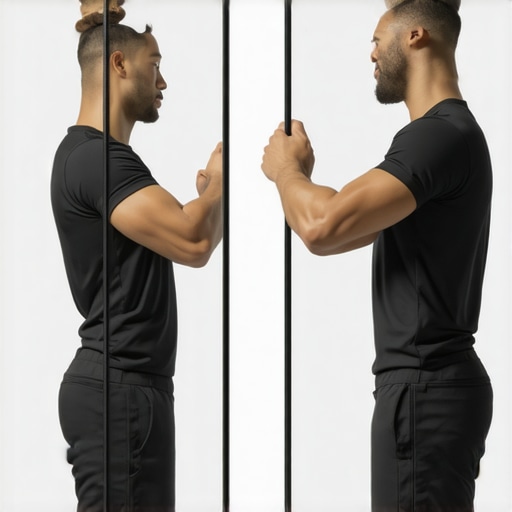
One of the simplest yet most powerful tools I use is a digital or traditional mirror to monitor my rib cage and shoulder alignment throughout the day. When practicing micro-adjustments, such as the rib tuck, visual feedback helps ingraining proper habits. For more precise feedback, I recommend an adjustable full-length mirror or angle-optimized handheld mirrors, which allow you to observe your side profile during routines. This visual cue is vital for ensuring sustained correct posture and catching deviations early. Incorporating this into your daily routine makes a significant difference and echoes the importance of consistent self-awareness.
Foam Rollers and Mobility Boards
Mobilizing tight fascia and releasing restricted tissues are crucial for long-term improvements. I use a Medium-Density Foam Roller to target my thoracic and lumbar regions, focusing on areas that resist gentle stretching efforts. The key is to perform controlled, deliberate movements, especially along fascial chains connecting the rib cage, pelvis, and shoulders. Additionally, a Balance Board or Mobility Platform can enhance proprioception and stability, reinforcing neuromuscular patterns learned during core adjustments. According to recent biomechanics studies, integrating such tools accelerates the adaptation process, leading to better, longer-lasting results.
Digital Resources for Progressive Learning
Smartphone apps and video courses tailored for posture and mobility practices complement physical tools perfectly. I favor programs that include guided exercises, progress tracking, and reminders to perform micro-adjustments, like those detailed in our mobility mastery series. Setting aside just five minutes daily for these routines cultivates resilience and ensures maintenance beyond initial gains.
Why the Right Tools Shape Your Success
Using specialized equipment consistently reinforces good habits and helps avoid regression. It transforms theoretical improvements into tangible, actionable routines that become second nature. I recommend starting with a mirror and a foam roller—these are accessible yet highly effective. As you progress, exploring advanced tools like mobility discs or adjustable posture trainers can further optimize your results.
How do I maintain improvements over time?
Consistency is key. Regularly revisiting your micro-adjustments, incorporating mobility drills, and utilizing feedback tools will keep your progress on track. Remember, setbacks are natural; the goal is steady, incremental progress. Keep a habit journal or app to monitor your developments and stay motivated. And don’t forget to revisit foundational principles through cornerstone content like daily adjustments that solidify your body’s alignment.
Looking ahead, the future of posture and mobility tools points towards more integrated and AI-driven solutions, providing real-time feedback and personalized routines based on biomechanical data, akin to what experts like Dr. Stuart McGill suggest in their research on spinal health (source: Backfitpro). For now, start incorporating a mirror and foam roller into your daily habits—these simple additions can set the foundation for lasting change. Try focusing today on one micro-adjustment with visual feedback, and notice the difference it makes.
Small Changes, Big Reveals: Revealing Hidden Lessons About Back Health
One of the toughest truths I uncovered was how subtle misalignments can hide behind seemingly minor habits. For example, I realized that even a slight flaring of the ribs during daily activities could prolong discomfort, making me overlook the importance of micro-adjustments. The breakthrough came when I started paying attention to these tiny cues—something many dismiss as insignificant but which actually set the foundation for long-term relief.
Another lesson was understanding that rigidity doesn’t equal stability. I used to think tensing my core was the way to protect my back, but I discovered that relaxed, engaged movement was far more effective. This paradigm shift reminded me that flexibility with proper control trumps stiff positioning every time, aligning with recent studies emphasizing neural remapping over brute muscle tension.
Then there was the realization that consistency trumps intensity. Sporadic efforts yielded temporary results, but embedding micro-adjustments like rib tucks and mobility drills into my daily life created durable improvements. This insight taught me the value of small daily habits over hectic workout sessions, echoing the importance of effortless, sustained maintenance.
Tools I Swear By for Lasting Mobility and Posture Gains
My go-to resources include a trusty mirror, which offers immediate visual feedback during micro-movements. An adjustable full-length mirror helps me spot postural deviations before they turn into pain. Paired with a foam roller tailored to thoracic mobility, I target fascia restrictions that often escape traditional stretching routines. I trust these because they’re simple, effective, and can be seamlessly integrated into daily habits, reinforcing our cornerstone content on daily spinal realignment routines.
For advanced support, tools like mobility discs help deepen my understanding and control of movement patterns. I’ve found that investing in quality equipment translates into more profound, sustainable gains—especially when guided by curated programs like mobility mastery exercises.
Embrace Your Journey and Make the First Step Today
Initially, I hesitated to overhaul my approach, fearing it might be complicated or time-consuming. But the truth is, lasting change springs from small, consistent actions. Incorporate micro-adjustments into your routine, use visual feedback tools, and explore mobility drills regularly. You don’t need perfection—just ongoing effort. Remember, your body responds best to gentle, persistent nudges rather than forced overhauls. Start now—your back will thank you for it, and your movement will become easier, pain-free, and sustainable over time.