
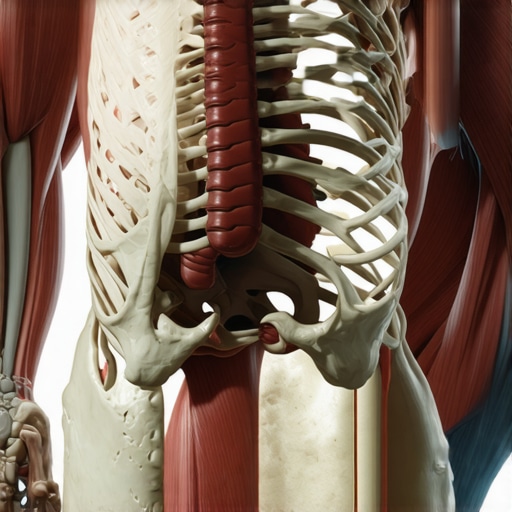
It was a late afternoon, I was twisting to reach for something on the counter, and suddenly, a sharp, stubborn *lock* seized up in my rib cage. No matter how I turned or tried to loosen up, it felt like my ribs were glued shut. Frustration set in as I realized this wasn’t just a minor discomfort; it was disrupting my entire day. That lightbulb moment, recognizing how often I struggled with this sensation, made me wonder—why does this happen, and more importantly, how can I stop it?
Understanding the Rib Cage Lock: Why It Happens and Why It Matters
Many of us have experienced that frustrating feeling of our rib cage feeling ‘locked’ when we twist or bend. It’s more common than you might think, and often, it’s a sign that something in our mobility isn’t quite right. This sensation isn’t just a fleeting annoyance; it can indicate underlying issues like muscular tightness, joint restrictions, or even misalignments in the thoracic spine.
What’s interesting is that the rib cage plays a crucial role in our overall mobility and breathing efficiency. When movement becomes restricted, not only does it limit your range of motion, but it can also contribute to longer-term problems like back pain or even compromised lung function. According to recent research, restricted thoracic mobility is linked with increased incidence of shoulder and lower back pain, impacting daily activities significantly.
One early mistake I made—assuming that this was just about stretching my back—delayed my recovery. I went straight to the foam roller, thinking I just needed to loosen my muscles. But that was a mistake. Without addressing the joint and functional movement limitations, the pain persisted. That’s why understanding what’s behind that ‘lock’ is vital for real relief, and I’ll guide you through practical steps to get there.
Are you tired of feeling like your rib cage is stuck every time you twist? If so, you’re not alone, and the good news is, relief is possible. But before diving into solutions, let’s clear up some doubts about whether this problem is fixable and worth your effort.
Mobilize Your Thoracic Spine with Gentle Rotations
Start by sitting upright against a sturdy chair or wall, feet flat on the ground. Place your hands behind your head, elbows wide. Gently rotate your upper body to one side, aiming to keep your hips stable. Think of it as wringing out a towel—you want movement that twists but doesn’t jerk. Do 10 slow reps per side, focusing on smooth, controlled motion. I personally tried this after a stiff day, and after a few sessions, I felt less resistance when twisting, making movement more fluid.
Practice Diaphragmatic Breathing to Release Tension
Lie on your back with knees bent, one hand on your chest and the other on your belly. Inhale deeply through your nose, aiming to expand your abdomen rather than your chest, like blowing up a balloon. Exhale slowly through pursed lips, gently contracting your abs. This technique relaxes the muscles around your rib cage, easing restrictions. I added this to my daily routine, and observing my breath helped reduce the sensation of being ‘locked up’ during movements.
Stretch Your Pectoral Muscles to Open Your Chest
Stand facing a corner or doorframe. Place your forearms on each side of the frame, elbows at shoulder height. Step forward gently, feeling a stretch across your chest. Keep your shoulders relaxed and avoid shrugging. Just like opening a window, this stretch releases tightness pulling your rib cage inward. I felt an immediate difference in posture and breathing after these stretches, which made twisting motions easier and less painful.
Incorporate Thoracic Extension with a Foam Roller
Lie on your back with a foam roller positioned horizontally across your upper back, just below your shoulder blades. Support your head with your hands for stability. Gently lift your hips and arch your upper back over the roller, like pressing a hug into a ball. Hold for a few seconds, then roll slightly up and down. This move helps restore natural curvature and break up adhesions that restrict movement. I found that doing this regularly increased my thoracic mobility, reducing the feeling of being ‘locked’ when turning.
Adjust Your Posture Throughout the Day
Pay attention to sitting and standing habits that may reinforce restrictions. Keep your shoulders back, chest open, and avoid slouching. Use ergonomic supports if needed, and take short breaks every 30 minutes to move. Think of your body as a machine that needs regular oiling—neglecting posture tightens muscles and joints over time. Revisiting my workspace setup and incorporating these micro-adjustments significantly improved my rib mobility and overall comfort.
Remember, these steps are about consistent practice. Combining gentle movements with mindful breathing and posture habits fosters lasting change. For more tailored guidance, consider consulting a professional or exploring detailed exercises at Mobility Mastery.Many people believe that simply aligning physically is the key to resolving back pain, but in my experience, there’s a subtlety often overlooked: not all adjustments are created equal, and understanding these nuances can make a significant difference. Common myths persisting in both casual and even some professional circles include the idea that cracking your joints permanently realigns your spine or that a ‘correct’ posture is static and unchanging. However, research by Dr. Stuart McGill emphasizes the importance of movement variability over rigid postures, highlighting that the spine thrives on controlled mobility rather than fixed positions. One trap I see many fall into is relying excessively on passive treatments like stretching or chiropractic adjustments without coupling them with active, functional movements that reinforce neuromuscular stability. This often leads to temporary relief but inevitably returns to the same issues, reinforcing the cycle of dependency. When considering advanced mobility work, it’s crucial to avoid trying to force your body into uncomfortable positions, which can cause microtrauma or further restrictions. Instead, engaging in targeted, gentle mobilization patterns—like those outlined in our mobility mastery exercises—allows your tissues to adapt safely. For example, dynamic thoracic rotations or diaphragmatic breathing enhance tissue elasticity and neural control, fundamental for long-term posture correction. An advanced question I often ponder is: How does proprioceptive feedback influence our ability to maintain proper alignment during complex movements? According to a 2020 study in the *Journal of Neurophysiology*, enhanced proprioception through specific training modalities drastically improves motor control, reducing compensatory patterns that often lead to injury. So, next time you consider adjustments, reflect on whether you’re addressing the root neuromuscular patterns rather than just the superficial alignment. Remember, lasting change stems from understanding the deeper mechanics, not just surface fixes. For deeper insights, I recommend exploring our comprehensive approach to posture correction, which integrates these advanced principles—check out [posture correction secrets that transform back pain outcomes](https://chiromasteryz.com/posture-correction-secrets-that-transform-back-pain-outcomes). Have you ever fallen into this trap? Let me know in the comments.Maintaining spinal mobility and preventing back pain over the years demands a combination of effective tools, consistent routines, and knowledge of when to scale up or adapt your approach. Personally, I rely on a set of specific equipment and techniques that have become integral to my daily and weekly maintenance, helping me stay flexible, posture-aware, and resilient against common pitfalls.
One cornerstone tool I consistently recommend is a high-density foam roller. Unlike cheaper alternatives, a dense roller provides the firm support needed to target deeper tissue restrictions in the thoracic and lumbar regions. I use it not just for recovery after intense movement but also as a preventive measure—doing gentle thoracic extension rolls every morning encourages optimal spinal alignment and mobility. When properly used, as outlined in our comprehensive guide to mobility exercises, foam rolling can prevent micro-stiffness from settling in, which over time may lead to chronic issues.
Complementing the foam roller, a flexible stretch band enables me to perform controlled mobility drills that emphasize joint stabilization and muscular balance. These bands are cheap, portable, and versatile enough to allow tension adjustments tailored to each session’s focus—whether decompressing the hip flexors or mobilizing the shoulders to support better posture.
For long-term results, I also leverage digital tools. Apps like Pzizz for sleep hygiene and periodic posture tracking software help monitor progress and highlight areas needing more attention. Such tools are becoming increasingly valuable as they provide data-driven insights into how consistent habits influence spinal health, aligning with the future trend of integrating biofeedback into daily routines.
Cronically neglected, hydration plays a surprisingly vital role, so I keep a silicon water bottle nearby, ensuring I drink water consistently throughout the day. Hydration keeps discs healthy and muscles supple, acting as a passive yet powerful support for your mobility efforts.
Looking forward, the trend points toward smarter, personalized mobility systems that combine wearable tech with AI-driven routines. Imagine sensors installed around your workspace that automatically suggest stretches when tension thresholds are near. It’s a future where maintenance becomes more intuitive and less time-consuming.
### How do I maintain lasting mobility without slipping into routine? One key is to introduce progressive challenges—gradually increasing the intensity or complexity of exercises as your capacity improves. Incorporating dynamic movements like flowing thoracic rotations or functional balance drills helps reinforce neuromuscular control, which is essential for enduring posture correction.
If you want to take your approach further, I recommend starting with the simple yet effective moves outlined in our mobility mastery exercises. Try integrating a daily foam rolling routine to target key restriction points; this small step alone can dramatically enhance your movement quality over weeks. For a deeper dive into advanced strategies, explore detailed protocols in our dedicated mobility resources page.
Remember, the goal is to embed these tools into your regular habits, not just sporadically use them. Consistency, combined with gradual progression, is what delivers sustainable, long-term results. When you’re ready to fine-tune your routine or address specific concerns, don’t hesitate to reach out for personalized guidance through our contact page. Staying proactive now ensures you’ll keep your back working smoothly for years to come—often, the most significant gains come from small, deliberate adjustments over time.
The Hardest Lesson I Learned About Adjustments and Mobility
One of my biggest lightbulb moments was realizing that pseudo-solutions like quick stretches or temporary fix-alls only provided fleeting relief. True progress came when I embraced the idea that consistent, deliberate movement and neuromuscular awareness are essential for long-term freedom from that stubborn rib cage lock. Short-term fixes can be tempting, but they often mask underlying issues, delaying genuine healing.
Why Relying Solely on Passive Treatments Can Sabotage Your Progress
I used to think that manual adjustments or foam rolling alone could solve everything, but I learned that without active engagement and proper postural habits, these techniques fall short. The real magic happens when passive treatments are complemented by functional exercises and daily awareness, which reinforce lasting change. Recognizing this shifted my entire approach and made restoration sustainable.
My Personal Secret: Consistency Over Intensity
Rather than forcing through aggressive routines, I discovered that gentle, consistent movements—like diaphragmatic breathing and mindful rotations—produce better, more durable results. Patience and regular practice trump quick-fix intensity. This insight helped me stay motivated and avoids the frustration of short-term gains that quickly fade.
Curated Tools That Elevate Mobility and Posture
- High-density foam roller: I trust this for deep tissue release and thoracic extension, which helps prevent restrictions from settling in. Check out our Mobility Mastery exercises for guided routines.
- Stretch bands: Versatile for controlled mobility drills, these bands aid in strengthening neuromuscular control, vital for long-term relief and posture correction.
- Posture-tracking apps: Using digital tools allows me to monitor habits and progress, making adjustments more data-driven and effective.
- Hydration habits: Staying well-hydrated supports tissue elasticity and joint health, often overlooked but crucial for mobility maintenance.
Begin Today: Your Path to Pain-Free Movement Starts Now
Remember, the journey to overcoming the rib cage ‘lock’ is uniquely personal, and small but consistent steps lead to lasting change. Incorporate simple practices like thoracic rotations, diaphragmatic breathing, and mindful postural adjustments into your daily routine. Over time, these will become empowering habits that keep your movement fluid and pain-free. If you’re ready to deepen your understanding, explore our posture correction secrets to accelerate your progress.
What’s one small adjustment you’re willing to try today to improve your mobility? Drop your thoughts below and let’s start the journey toward improved movement together!