
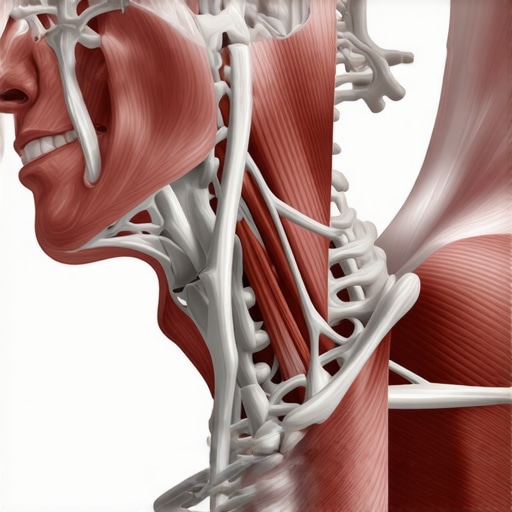
Ever been caught in that moment—you’re just sitting at your desk, feeling perfectly fine, and then suddenly that dull ache in your neck intensifies, inching its way up with a stubbornness that puzzles you? I remember countless mornings where I’d wake up with a stiff neck, only to realize later that my jaw was clenched so tightly overnight that I wasn’t even aware of it. That lightbulb moment hit me hard: my jaw tension was directly connected to my persistent neck pain.
Cracking the Code: Why Your Jaw Might Be Sabotaging Your Neck
It might sound like a stretch—pun intended—but there’s solid evidence behind this link. When you’re under stress or simply unaware, your jaw muscles tend to tighten, leading to a condition called bruxism or teeth grinding. Over time, this tightness can ripple down your neck and shoulders, throwing your spinal alignment off and causing chronic discomfort. I’ve personally experienced this myself, neglecting the jaw when dealing with neck pain, only to find that addressing the jaw’s tension brought immediate relief. This was a game-changer for me, and I believe it can be for you too.
Have you ever noticed how your jaw feels tense after a stressful day or during a long work session? Or perhaps you wake up with a sore jaw, wishing you could get to the root of your neck pain once and for all? If so, you’re not alone—and you’re probably missing an important piece of the puzzle.
Early in my journey, I made the mistake of only focusing on stretches for my neck and shoulders. I didn’t consider my jaw. That oversight kept my pain cycle going, making recovery frustratingly slow. It wasn’t until I started paying attention to my jaw—using simple techniques like relaxed breathing and gentle jaw releases—that I saw real improvements. To deepen your understanding, I recommend exploring strategies to improve mobility and relieve chronic pain, like the ones covered in [mobility exercises](https://chiromasteryz.com/mobility-mastery-simple-exercises-to-relieve-chronic-back-pain), which emphasize holistic approaches.
This connection between jaw tension and neck pain isn’t just anecdotal; it’s backed by research showing that the muscles involved in jaw movement are part of the same network that supports your neck and head posture. According to a study published in the Journal of Oral & Facial Pain and Headache, muscle tension in the jaw can influence head and neck alignment, contributing to discomfort in those areas.
So, if you’re tired of dealing with stubborn neck pain that refuses to budge despite physical therapy or stretching, it might be time to look at your jaw. The good news? Small adjustments and awareness can make a significant difference.
In the upcoming sections, I’ll walk you through simple, practical steps to unlock tension in your jaw and realign your entire posture—steps that helped me and many others find relief faster than I ever thought possible. Ready to get started? Let’s dive in.
Start with Gentle Jaw Relaxation Movements
One of the easiest ways to release jaw tension is to perform gentle jaw drops. Sit comfortably and place your tongue gently on the roof of your mouth. Slowly open your mouth as wide as comfortable while breathing steadily. Hold for a few seconds, then slowly close. Repeat for 10 cycles. I vividly recall doing this after a long day of work, feeling the tension in my jaw melt away—learning this simple move was a revelation that helped reduce my neck stiffness significantly.
Practice Controlled Breathing to Reduce Stress
Stress often tightens your jaw and neck muscles. To combat this, try diaphragmatic breathing—inhale deeply through your nose, allowing your belly to rise, then exhale slowly through your mouth. Focus on making your exhale longer than your inhale, which activates your parasympathetic nervous system, calming your muscles. When I first started, I would sit during breaks at work, breathing deeply for five minutes. Over time, I noticed my jaw was less clenched and my neck pain decreased. Incorporate this into your daily routine to keep tension at bay.
Use a Soft Ball or Towel for Myofascial Release
Applying gentle pressure to tender areas can improve muscle mobility. Take a soft massage ball or a rolled towel, place it between your jaw or neck muscles and a hard surface like a wall or desk. Gently move your jaw or neck to apply pressure—avoid pain, aim for comfort. Move slowly, spending a minute or two on each spot. I remember initially pressing too hard, causing discomfort, but after adjusting pressure, I felt muscles soften. This technique is like releasing a knot in a shoelace—once loosened, movement becomes effortless.
Incorporate Specific Mobility Exercises for Better Alignment
Targeted exercises improve overall posture, reducing strain. For instance, thoracic rotations help open up the mid-back, easing pressure on the neck and jaw. Sit upright, cross your arms over your chest, and slowly rotate your torso left and right, aiming for 10 reps each side. Alternatively, the wall slide (linked in the resources) can help reset shoulder and neck positioning. I introduced these exercises gradually—initially wobbling out of alignment—yet now, they form a core part of my daily routine, significantly diminishing neck and jaw tension.
Adjust Your Daily Habits to Prevent Tension Build-up
Pay attention to how you hold your jaw in daily activities. Avoid clenching when concentrating. Regularly check if your teeth are touching and consciously relax your jaw. During work, set reminders to pause and reset your posture. Small but consistent adjustments, like switching to ergonomic tools and taking brief breaks, can drastically cut down chronic tension. I found that integrating these mindful habits into my day created a noticeable difference in my neck and jaw health over weeks.
Schedule Professional Care for Deep-Rooted Issues
If tension persists despite self-management, seek guidance from a professional. Chiropractors can assess alignment and offer adjustments or therapies tailored to your needs. For ongoing discomfort, I consulted a chiropractor who identified subtle misalignments contributing to my tension cycle. Combining their insights with daily exercises created a comprehensive approach that delivered sustainable relief. For personalized advice, visit this contact page.
Many believe that simply stretching or visiting a chiropractor is enough to fix persistent back pain, but this mindset misses a deeper layer of understanding. One common misconception is that all back issues stem solely from muscular tightness or structural misalignments, leading many to focus exclusively on adjustments or generic mobility routines. However, recent research emphasizes the importance of appreciating the complex, interconnected nature of our muscular and fascial systems, which many practitioners overlook. For instance, a study published in the Journal of Bodywork and Movement Therapies highlights that unresolved fascial restrictions can perpetuate pain even after structural corrections. This suggests that superficial fixes may provide temporary relief, but addressing underlying tissue adhesions and movement restrictions is crucial for lasting results.
Another trap many fall into is over-reliance on aggressive mobilization techniques without considering the body’s compensatory patterns. This can sometimes worsen misalignments or create new imbalances. Instead, a nuanced approach involves understanding that mobility is not just about increasing range but restoring harmony between joints, muscles, and fascia. For example, incorporating gentle, sustained releases combined with mindful movement strategies can reset faulty patterns more effectively than forceful manipulations.
For advanced practitioners, recognizing the importance of neuroplasticity in movement habits offers additional insights. Our nervous system learns and adapts to habitual postures and movements; thus, retraining the brain to adopt healthier patterns is often more critical than manual adjustments alone. Techniques like proprioceptive training and mindful movement can reinforce new, beneficial habits, reducing the likelihood of recurrence.
In essence, the key to truly resolving back pain and improving posture lies in embracing the complexity of our body’s tissue network and movement economy. If you’re still relying solely on quick fixes, it might be time to rethink your approach. For a comprehensive guide on integrating mobility, soft tissue work, and neurotraining, check out [this resource](https://chiromasteryz.com/mobility-mastery-simple-exercises-to-relieve-chronic-back-pain). Remember, lasting change requires a layered, nuanced strategy.
Have you ever fallen into this trap? Let me know in the comments.Maintaining a healthy back and good posture requires more than just occasional stretches or adjustments; it involves the right tools and a strategic approach that align with your ongoing needs. From ergonomic equipment to soft tissue release devices, having reliable tools makes consistent self-care achievable and sustainable.
One of my favorite investments is a high-quality foam roller. Not all rollers are created equal—look for one with a firm surface and a textured design that targets muscles effectively. I personally prefer a denser foam roller because it provides deeper myofascial release, helping to alleviate chronic tension in my lower back and hips. Regular use of a foam roller, as demonstrated in [simple mobility exercises](https://chiromasteryz.com/mobility-mastery-simple-exercises-to-relieve-chronic-back-pain), can prevent tissue adhesions from forming and keep your muscles supple.
In addition, I recommend a set of massage balls or a tennis ball for pinpointed trigger point therapy. These tools are portable and affordable but immensely effective. I keep a soft ball on my desk to press against tight spots in my upper back and shoulders, which directly translates into less neck tension and better alignment throughout the day.
For addressing jaw tension and supporting nervous system relaxation, I use a small, lightweight jaw massager that gently applies pressure to release tightness. This simple device complements my efforts in restoring full body mobility, highlighting how interconnected our muscular networks are. Combining these tools with [daily adjustments](https://chiromasteryz.com/daily-adjustments-to-alleviate-back-pain-and-improve-posture) helps me stay ahead of pain cycles.
When it comes to software, I leverage posture reminder apps that ping me to correct my sitting position periodically. Technology like this plays a crucial role in cultivating awareness and creating lasting habits—it’s a trend that’s only going to grow as we integrate more tech into our self-care routines.
Opting for quality over quantity is essential. Cheap tools often lose their shape or effectiveness quickly, leading to frustration and inconsistent results. I sustain my routine by regularly replacing my foam roller and trigger point tools, ensuring consistent performance over time.
Looking ahead, I predict a surge in smart wearable devices capable of tracking muscle tension and providing real-time feedback to optimize movement patterns. Embracing these innovations now can give you a head start in maintaining your mobility at an advanced level.
How do I keep my techniques effective long-term?
One approach is integrating a dedicated daily mobility session that combines self-myofascial release, targeted stretches, and posture awareness drills. For deeper tissue work, consider seeking professional guidance periodically to ensure your techniques evolve with your body’s needs. If you’re ready to upgrade your self-care toolbox, I encourage trying a sophisticated foam roller like the Grid Foam Roller, which offers varied textures for comprehensive muscle release. Incorporate this tool into your routine and notice how your body responds. For tailored advice, reach out to a professional through [this contact page](https://chiromasteryz.com/contact-us-2). Remember, consistency is key—investing in the right tools and strategies today will pay off in your long-term health journey.
The Hardest Lesson I Learned About Mobility, Back Pain, Adjustments, and Posture
One of the most profound realizations in my journey was understanding that fixing persistent back pain isn’t just about isolated stretches or adjustments; it’s about embracing the complex interplay of our body’s tissues and postural habits. I once believed that targeting the lower back was enough, only to find that unresolved fascial restrictions and unconscious jaw tension kept my discomfort lingering—until I uncovered the vital connection between the jaw and neck. That lightbulb moment transformed my approach and taught me that true relief requires holistic awareness and consistent self-care.
My Essential Toolkit for Better Posture and Pain Relief
Over the years, I’ve come to trust a few key tools that support my mobility and posture journey: a dense foam roller helps break down fascial adhesions, I keep trigger point balls handy for pinpointed release, and my trusted posture reminder app keeps me mindful throughout the day. These tools, combined with my commitment to daily movement, have been game-changers. For practical guidance on building your own toolkit, check out mobility exercises that I personally incorporate into my routine. Investing in quality tools has empowered me to maintain lasting improvements without relying solely on professional visits.
Here’s What I Promise Future You
If you’re tired of battling stubborn neck and back discomfort despite countless stretches or visits, it’s time to rethink your approach. Remember, lasting change comes from understanding your body’s interconnected systems and taking consistent steps—like paying attention to jaw tension, practicing mindful breathing, and incorporating targeted mobility exercises. The future version of yourself will thank you for embracing these habits today. Start small, stay patient, and trust that your body is capable of remarkable transformation. Curious about integrating these strategies into your routine? Share your experiences or questions below—I’d love to hear your story.