

Last April, I was hunched over my raised beds, obsessively weeding the early kale, when I heard it. Not a loud pop, but a sort of deep, internal creak that told my lower back, "we are done for the week." I was sixty-four at the time, but in that moment, I felt like a century-old barn leaning in a high wind. I spent the next three days on a heating pad, frustrated that the hobby I loved was becoming a source of dread. It is a common story for us, isn’t it? We want the fresh tomatoes and the blooming hydrangeas, but our spines seem to have other plans. I realized then that I couldn’t keep treating my body like a rented mule. I had to find a way to keep my hands in the soil without spending my evenings in a recliner. Today, I am going to show you exactly how I reclaimed my garden by changing how I move, not just what I plant.
The Day My Prize-Winning Roses Became My Worst Enemy
My biggest mistake early on was thinking that "toughing it out" was a badge of honor. I would carry heavy mulch bags across the yard by myself, twisting my spine in ways that would make a gymnast wince. I didn’t realize that learning how to lift heavy loads without feeling it in your spine is a skill, not a chore. I was basically speed-running my way to a chronic injury because I was too stubborn to ask for help or use a cart. According to a study by the Journal of Public Health, gardening can significantly reduce the risk of falls in seniors by improving balance, but that only works if we aren’t wrecking our joints in the process. We have to stop treating our bodies like disposable tools and start treating them like the precision instruments they are. I had to learn the hard way that a stiff back isn’t just an inconvenience; it is a signal that your alignment is screaming for a change.
Is a pain-free garden actually possible at our age?
You might be thinking that I am selling a dream that doesn’t exist for someone with decades of wear and tear. I used to be that skeptic. I thought the stiffness was just the "tax" I had to pay for a beautiful yard. But the real secret isn’t some miracle cream or a fancy $500 ergonomic shovel. It is about posture correction secrets that actually translate to the real world—like when you are reaching for that one stubborn weed in the middle of the patch. We are going to solve the puzzle of why your lower back hurts more on cold rainy days and how to prep your joints so you don’t feel like a rusty gate. Have you ever felt that sharp, hot pinch right when you try to stand up after planting your spring bulbs?
Stop Bending and Start Moving with Intention
The first thing I had to accept was that my mobility wasn’t gone; it was just dormant. I started focusing on expert tips for easier movement before I even stepped out onto the patio. It sounds a bit silly to "warm up" for a few weeds, but it is the difference between a productive afternoon and a week of misery. I used to just dive in, cold and stiff, which is exactly how you pull a muscle or strain a disc. Now, I treat my gardening sessions like a light athletic event. We are going to look at the exact mechanics of how you move between your rows and how simple daily adjustments can make the difference between needing a nap and feeling energized after a harvest. It is time to stop surviving your garden and start enjoying it again.Imagine your spine is like a stack of vintage ceramic plates. If you tilt them all at an angle, the whole stack wants to slide and potentially crack. That is exactly what happens when you bend at your waist to reach for a trowel. Instead, you need to hinge at your hips, keeping those plates perfectly stacked and secure.
Work With Your Skeleton Not Against It
To keep your back from screaming, you have to move from the strongest joints in your body: your hips. Most people ‘hinge’ by curving their lower back, which puts immense pressure on the spinal discs. Last June, while I was trying to install a new cedar trellis, I caught myself doing the ‘folding chair’ move—bending right at the lumbar spine. My back felt tight within seconds. I had to stop, take a breath, and focus on pushing my glutes back toward the fence behind me. This simple shift is one of the most effective posture correction secrets that transform back pain outcomes. It keeps the spine neutral and lets your powerful hamstrings take the load instead of your delicate vertebrae.
Master the Hip Hinge to Protect Your Discs
The secret to a perfect hinge is keeping your chest up and your tailbone pointing back, not down toward the ground. Think of it like closing a car door with your rear end because your hands are full of heavy grocery bags. When you do this correctly, you engage the deep core connection that stops your spine from shear stress. This internal bracing acts like a natural weightlifting belt. 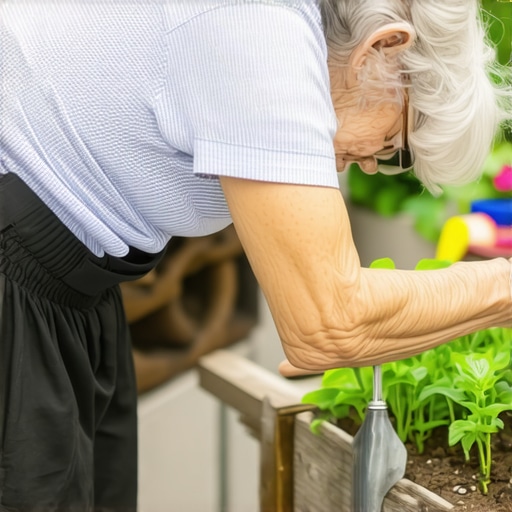
Why Deep Squats Trump Shaky Knees
Many of us were told that squatting is ‘bad for the knees,’ but the truth is that why deep squats are better for your back than shallow ones comes down to how the weight is distributed through the pelvis. If you only squat halfway, your knees take the brunt of the force. If you go deeper—or use a sturdy garden stool for support—you allow your pelvis to stay neutral and your glutes to stay active. This avoids that dreaded ‘stuck’ sensation in your lumbar region. If you already feel that stiffness, you might need to know how to fix a stuck feeling in your mid-back before you continue your harvest.
The 30-Minute Movement Rule
Your spine is a living pump; it needs constant motion to stay hydrated and flexible. I used to get so lost in weeding that two hours would pass without me standing up. Now, I set a timer on my phone. When it goes off, I stand up, shake out my legs, and do a quick walk to the compost pile. There is a biological reason why your spine needs movement every 30 minutes—it prevents the ligaments from overstretching and losing their protective tension. Incorporating master your mobility top strategies for moving without pain into these small breaks ensures your joints stay lubricated throughout the afternoon. I also find that starting the day with the morning movement routine that lubricates your joints makes those first few minutes of kneeling much more comfortable and less of a shock to the system.
We often assume that if a muscle feels tight, we should simply stretch it until the tension fades. This is where most gardeners—and even seasoned athletes—fall into a dangerous trap. For many, why stretching your hamstrings might be making your back pain worse is because that ‘tightness’ isn’t actually a length issue; it is a protective tension signal from your brain because your pelvis is out of alignment. If you force a stretch on a muscle that is already over-lengthened from a pelvic tilt, you are essentially destabilizing your lower back even further. I learned this the hard way after a month of intense yoga that only made my weeding sessions more painful. It turns out, why stretching your psoas might actually be making your back hurt more follows the same logic. Sometimes, the body needs stability, not more flexibility.
Stop Sucking in Your Stomach to ‘Protect’ Your Back
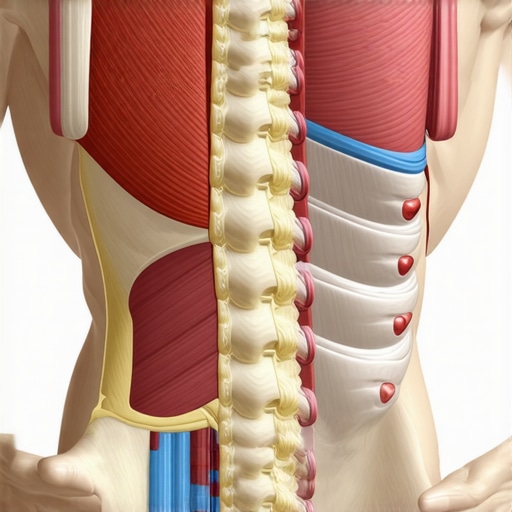
One of the most persistent myths I see is the advice to ‘suck in’ the belly to protect the spine. People think a strong core means having a flat stomach or doing a hundred sit-ups, but the reality is that why your core strength isn’t stopping your back aches often comes down to internal pressure. You should strictly why you should stop sucking in your stomach to look thinner because it creates an unnatural pressure gradient that can actually stress your lumbar discs. According to Dr. Stuart McGill, a world-renowned expert in spinal biomechanics, ‘abdominal bracing’—which involves engaging the entire core wall as if someone were about to poke you in the ribs—is significantly more effective at protecting the spine than the traditional ‘hollowing’ or sucking-in technique. This deep core connection that stops your spine from shear stress is what keeps you safe when you are hoisting a heavy bag of compost.
The Trap of Self-Cracking Your Own Spine
We have all done it—that quick twist or neck pop to get a momentary sense of relief. However, this is a classic ‘Oops’ factor that leads to chronic instability. You might notice why self-cracking your neck makes the stiffness come back faster every single time. When you crack your own joints, you are usually hitting the segments that are already too mobile, not the ‘stuck’ ones that actually need help. This creates a cycle of hypermobility where your muscles have to tighten up even more just to hold your head up. If you are constantly feeling that urge, it is a sign that you need to adjust your routine with daily spinal alignments through professional care rather than DIY adjustments that wear down your ligaments over time. Have you ever fallen into this trap of constant self-cracking? Let me know in the comments because I spent years doing it before I understood the damage.
Does Your Spine Actually Need a ‘Perfect’ Posture to Stay Healthy?
Another nuance most people miss is the ’90-90′ rule. While the 90-90 stretch is often recommended for hips, the 90-90 hip stretch mistake that is hurting your lumbar spine occurs when you don’t keep your back flat, causing the lower vertebrae to round and shear. It is these small technicalities that separate a healthy gardener from one who is constantly ‘stuck’ in their mid-back. You don’t need a rigid, military-style posture. Instead, you need the ability to enhance your mobility with expert tips for easier movement that allow your spine to adapt to different loads. If you feel like you are losing the battle, remember that you can always how to fix a stuck feeling in your mid-back by focusing on rotation and breathing rather than brute-force stretching. Moving with intention is the only way to ensure your garden remains a sanctuary rather than a chore.
Upgrade Your Toolkit to Save Your Spine
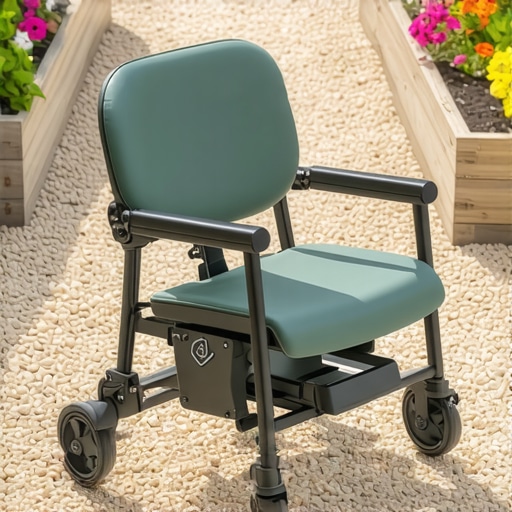
If you are still using the same rusty trowel your grandfather handed down, you might be doing your wrists and back a massive disservice. I finally swapped my standard tools for ergonomic versions with offset, cushioned handles, which significantly reduced the torque on my joints. According to research from the Cornell University Ergonomics Research Laboratory, the height of your work surface—or in our case, the soil—should be roughly 6 to 12 inches below your elbow height to minimize the ‘static load’ on your spinal extensors. For my lower back, the real game-changer was a heavy-duty garden kneeler with high side rails. It acts as a vital leverage point, allowing me to push off with my arms instead of straining my lumbar spine to stand up. When I combine this mechanical advantage with master your mobility top strategies for moving without pain, I find I can stay out in the dirt for three hours instead of ending the session in thirty minutes.
The Secret Leverage of a High-Rail Kneeler
I also stopped carrying heavy watering cans, which are notorious for creating uneven spinal loading. Now, I use a retractable hose reel and a rolling work seat. This seat stops me from having to get up and down constantly, which is usually when that ‘stuck’ sensation in the joints occurs. If you already have that tightness, you should look into how to fix a stuck feeling in your mid-back before you try to power through your chores. My rolling cart is now my best friend; it carries the mulch, the tools, and even my water bottle, ensuring I never have to twist while holding a heavy load. Using these tools allows me to focus on the garden rather than the clock.
How do I maintain my gardening mobility over time?
Long-term success in the garden requires more than just the right shovel; it requires a commitment to your physical alignment. I have learned that you must adjust your routine with daily spinal alignments to ensure that the small stresses of weeding do not turn into permanent structural shifts. I make it a point to check my range of motion every morning. If I notice a lack of flexibility, I dive into posture correction secrets that transform back pain outcomes before I even touch a rake. I predict that in the next decade, we will see ‘smart’ gardening apparel with built-in haptic feedback—essentially a wearable version of the 10-second posture check to do every time you check your phone—that alerts you the moment your spine begins to slump.
The goal is to keep your body as resilient as the perennials you plant every year. Do not wait for a major injury to start respecting your mechanics. Try this advanced tip tomorrow: when you are weeding, try a ‘half-kneeling’ position—one knee down, one foot flat—and switch sides every five minutes. It provides a much more stable base for your pelvis and prevents your lower back from rounding. Let me know if this small shift changes how you feel after your next harvest!
Lessons My Body Taught Me While I Was Busy Planting
After decades in the garden, I finally realized that my spine wasn’t failing me; I was failing my spine. The hardest part wasn’t the physical labor, but the mental shift required to stop rushing. I used to think I could ‘power through’ a few more rows of mulch, but that mindset is exactly what leads to chronic back pain. Here are the three non-negotiable truths I live by now: First, your muscles have a ‘memory’ for bad form, so you must consciously unlock better posture with simple adjustments every time you pick up a tool. Second, the small ‘twinges’ are signals, not suggestions—if you ignore them, they will turn into a roar. Third, professional daily spinal alignments or mobility work are just as important as fertilizing your soil.
The Hand-Picked Tools That Kept Me in the Dirt
I don’t keep many ‘gadgets’ in my shed, but a few items are essential for my longevity. I swear by a long-handled ‘diamond’ hoe which allows me to stand perfectly upright while weeding, preventing that dreaded lumbar curve. When it comes to the heavy lifting, I never rely on my back alone; I always revisit the mechanics of how to pick up a heavy box without feeling it in your spine before I move a single bag of soil. I also keep a tennis ball in my pocket to use against the garden fence if my mid-back starts to seize, as I’ve learned how to use a tennis ball to release tension in seconds. These aren’t just luxuries; they are the baseline for staying active into your seventies and beyond.
#IMAGE_PLACEHOLDER_E#
Reclaiming the Joy of the Harvest Without the Pain
Gardening should be a source of life, not a reason for a doctor’s visit. By prioritizing your mobility and making those tiny, intentional adjustments to how you move, you ensure that your body remains as resilient as the perennials you love. You don’t have to hang up your gloves just because of a few birthdays. Focus on your posture, use your leverage, and remember that the best tool in your garden is a healthy, functioning spine. It is time to get back out there and enjoy the scent of the damp earth without the fear of what comes next. Have you found a specific tool or movement that changed how your back feels after a long day in the garden? Let me know in the comments below!