
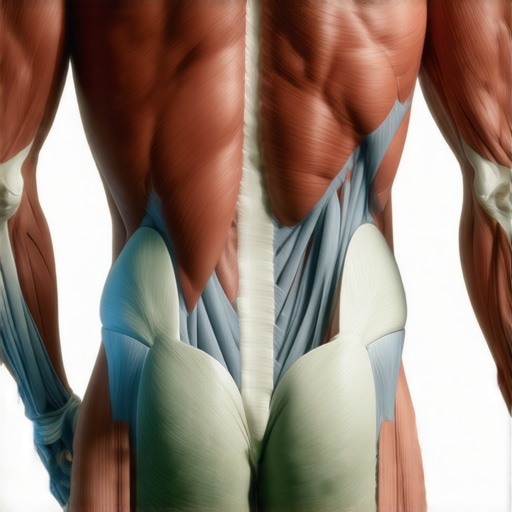
It was a frustrating morning. I remember feeling that familiar ache creeping into my lower back as I hurried to get ready. I stretched my hamstrings, hoping that loosening those tight muscles would finally ease the pain. Instead, the discomfort lingered, stubbornly refusing to budge. That lightbulb moment hit me hard—I realized I had been chasing the wrong solution.
Understanding the Real Cause of Lower Back Tightness
Many of us have been led to believe that tight hamstrings are the root of our back pain. So, naturally, we stretch and foam roll, expecting instant relief. But the truth is, your hamstrings might be a symptom rather than the cause. What I’ve learned from personal experience and professional guidance is that focusing solely on hamstring flexibility often misses the bigger picture.
Early in my journey, I made a common mistake—believing that flexibility alone would unlock my back pain. I spent weeks doing intense hamstring stretches, only to find the pain persisted. That realization pushed me to dig deeper into the real contributors to lower back discomfort.
Research supports this approach. A study published by the National Academy of Sports Medicine highlights how muscular imbalances, poor posture, and movement patterns play significant roles in persistent back pain — often more than muscle tightness alone.
So, if your hamstring stretches aren’t providing lasting relief, don’t get discouraged. There’s a better way. Today, I want to share practical insights and strategies that address the root causes of your tight lower back, moving beyond quick fixes. Are you ready to stop spinning your wheels and start making genuine progress? Keep reading, because the solution might be simpler than you think.
Is Stretching Your Hamstrings Actually Worth the Hype?
Like many, I was convinced that stretching was the golden ticket. But I learned the hard way that overemphasizing hamstring flexibility can sometimes make things worse. Tight hamstrings are often a response to other underlying issues, such as pelvic instability or poor core strength.
One critical mistake I made early on was neglecting my core stability, which ultimately led to more back strain despite all my stretching efforts. That experience taught me to look at the bigger picture, including posture, movement habits, and strengthening the right muscles. For a comprehensive approach that doesn’t just chase flexibility but addresses movement quality, check out this resource on [simple adjustments to relieve back pain](https://chiromasteryz.com/unlocking-better-posture-simple-adjustments-to-relieve-back-pain).
In the next sections, I’ll guide you through what truly matters when it comes to fixing your tight lower back. Because, trust me, real change doesn’t happen with just a hamstring stretch — it starts with understanding your body’s interconnected systems and making smart, targeted adjustments.
Activate Your Core Like a Natural Brace
One of the most effective ways to improve your back stability is by engaging your core muscles properly. Think of your core as the natural inner brace of your spine, much like the scaffolding that keeps a building sturdy. During my own practice, I remembered a weekend when I deliberately practiced engaging my deep abdominal muscles before bending or lifting. The result was an immediate sense of support that reduced strain. To do this, lie on your back, knees bent, and gently draw your bellybutton toward your spine without holding your breath. Hold for 5 seconds, then relax. Repeat 10 times daily to build that resilient support system.
Adjust Sitting and Standing Posture Gradually
Next, focus on aligning your spine during daily activities. Imagine your spine as a gently curved, stack of coins—avoid slumping or overarching. I once noticed my office chair’s lumbar support was too high, causing me to hunch. When I lowered it and consciously rolled my shoulders back, I felt instant relief. For optimal posture, periodically check your position: sit with feet flat, knees at right angles, and hips slightly higher than knees. When standing, distribute weight evenly and avoid leaning on one leg. Make subtle adjustments throughout the day to reinforce good habits. For detailed guidance, check out simple postural adjustments.
Incorporate Daily Mobility Drills
Mobilizing your thoracic spine, hips, and pelvis can drastically improve movement quality and reduce strain. Think of your body as a well-oiled hinge—if the joints are sticky, the entire system struggles. I remind myself to perform gentle rotations of my upper back using the thoracic rotation drill, which you can see demonstrated here. Start by sitting in a chair, crossing your arms over your chest, and rotating your torso side to side, aiming for smooth, controlled movements. Do this for 1-2 minutes, especially after long periods sitting. Additionally, try hip-opening stretches like the 3-minute hip opener, which can be a game-changer for mobility. Regular movement not only relieves tension but also retrains your body to move correctly under load.
Strengthen Supporting Muscles to Prevent Imbalances
Building strength in key muscle groups stabilizes your entire back. Focus on your glutes, lower abdominals, and back extensors. I found that I had weak glutes, which led to compensatory lower back strain. Incorporating exercises like bridges or bird dogs integrated into my routine helped me activate, strengthen, and finally re-engage these muscles. Remember, a muscle that’s weak or inactive often causes its neighbors to overcompensate, perpetuating pain. To target this, try the deep glute move or the deadbug variation demonstrated here. Strengthening these muscles acts like a firm foundational wall, supporting your spine during daily tasks.
Practice Breathing for Posture and Tension Relief
Breathing truly influences your posture. Shallow chest breathing can lead to forward head posture and neck tension, which affects your entire back. During my sessions, I focus on diaphragmatic breathing, feeling my belly rise and fall with each breath. It’s like giving your nervous system a gentle reset. When you breathe deeply into your lower lungs, your rib cage stabilizes, easing tightness. Try inhaling slowly through your nose for 4 seconds, allowing your belly to expand, then exhale fully. Incorporate this into your daily routine during breaks or before bedtime. Better breathing naturally promotes better posture and reduces muscle tension, creating a healthier foundation for your back.
Many people assume that chiropractic adjustments or simple mobility routines are quick fixes for persistent back pain, but this oversimplification can obscure the real nuance. A common myth is that a single adjustment will permanently fix structural issues, leading folks to seek multiple quick fixes without addressing underlying movement patterns or muscular imbalances. In reality, adjustments serve as part of a broader strategy—not a standalone solution. Moreover, many believe that increasing flexibility through stretching alone is sufficient, but without strengthening supporting muscles and correcting postural habits, the pain often returns. This misconception can result in over-reliance on passive interventions instead of active management.
Another trap many fall into involves viewing mobility exercises as only targeting joint range of motion, when in truth, mobility is closely tied to neural control and tissue health. Over-mobility exercises, especially when performed improperly, may even destabilize the spine if they ignore the body’s natural stability requirements. For instance, aggressive stretching of the hamstrings without addressing pelvic stability or core strength might exacerbate back discomfort rather than alleviate it. According to a study published in the Journal of Orthopaedic & Sports Physical Therapy, comprehensive approaches that integrate mobility, stability, and posture awareness outperform isolated stretching or adjustments in managing chronic back pain.
Why Do Some Adjustments Fail to Last, and How Can You Make Them Stick?
The real nuance lies in understanding that adjustments and mobility drills are not magic bullets—they are tools that need to be integrated into a consistent, personalized routine. The key is to align these interventions with improvements in daily movement patterns, ergonomic setups, and awareness of faulty habits. For example, ensuring your workspace promotes good posture can reinforce the benefits of your mobility exercises and adjustments. Remember, the goal isn’t a temporary relief but sustainable change.
Be cautious of falling into the trap of ‘fix it quick’ mentalities. A common pitfall is believing that one session or a quick stretch will solve years of poor positioning or movement habits. Instead, commit to a comprehensive strategy, like the one described in [simple adjustments to relieve back pain](https://chiromasteryz.com/unlocking-better-posture-simple-adjustments-to-relieve-back-pain), which addresses both physical and behavioral factors.
Finally, shifting your perspective from isolated fixes to an integrated approach emphasizes the importance of consistent practice. Incorporate daily mobility drills, like thoracic rotations or hip openers, into your routine, but equally important is practicing mindful posture and movement habits throughout the day. This holistic shift is what transforms temporary relief into long-term health. Have you ever fallen into this trap? Let me know in the comments.Maintaining a healthy back long-term requires more than quick fixes—it’s about building sustainable habits and using the right tools to support your progress. One of the most effective investments I made was in a high-quality foam roller. I personally prefer the TriggerPoint GRID foam roller because its dense surface helps break down adhesions in my fascia, improving mobility and reducing tension. Incorporating regular foam rolling sessions, especially after workouts or long periods of sitting, helps keep my tissues supple and my muscles activated. For tracking progress and staying accountable, I rely on the MyFitnessPal app, which allows me to log exercises, posture checks, and daily mobility drills. Consistent logging ensures I don’t neglect areas prone to stiffness, like my hips or thoracic spine. As technology advances, wearable devices like the Upright GO posture trainer have become game changers. I use mine to receive real-time feedback on my posture, prompting quick corrections when I slouch. This small device has significantly improved my awareness of sitting habits during work hours. Looking ahead, I predict that integration of biofeedback technology with AI-driven coaching will make maintaining spinal health more adaptive and personalized. These innovations will help identify subtle mobility declines before they cause pain, enabling preemptive adjustments.
How do I keep my back healthy over time?
Developing a routine that combines manual tools and smart tech is essential. For example, pairing daily foam rolling with posture reminders from a wearable device creates a comprehensive approach. Smart software can analyze your movement patterns and suggest targeted exercises—like the thoracic rotation drill that makes breathing easier—which you can find detailed here. Consistency is key; sticking with these tools and routines transforms short-term relief into lasting wellness. Remember, long-term maintenance isn’t about perfection but about creating resilient habits that adapt as your body changes. To explore more effective mobility strategies, check out this upcoming guide on mobility in 2025. Start small: try incorporating a 2-minute rib cage release or glute activation after your daily tasks, and observe how your back responds over time. Don’t wait until pain strikes—early intervention with these tools keeps your spine healthy and mobile long-term.
The Hardest Lessons I Learned About Back Fixes
Through my journey, I discovered that many quick fixes are superficial and often miss the core issues, leading to temporary relief rather than lasting healing. Recognizing this taught me patience and the importance of a comprehensive approach.
The realization that muscular imbalances and movement habits matter more than isolated stretches shifted my entire strategy. It’s a reminder that real progress demands understanding your unique body mechanics, not just copying generic routines.
Perhaps most impactful was understanding that consistency in daily posture and movement practices outweighs sporadic treatments. Small, mindful adjustments incorporated over time build a resilient foundation for your back health.
My Go-To Gear and Guides for Lasting Back Wellness
- TriggerPoint GRID Foam Roller: It’s my trusted tool for fascia release, helping me maintain tissue health and prevent stiffness, especially after long days.
- Simple Adjustments Resource: The comprehensive guide here has been instrumental in refining my posture habits, making a tangible difference in my daily comfort.
- Mobility Expert Tips Book: This upcoming guide offers cutting-edge insights into maintaining mobility for the long haul, tailored for real-life application.
- Wearable Posture Devices: Tools like the Upright GO have transformed my awareness, providing real-time feedback to keep me aligned during work and leisure activities.
Take Action and Feel the Difference
Your journey toward a healthier, more pain-free back starts today. Embracing smarter movement, proper support tools, and consistent habits can make all the difference. Remember, the key is not just in quick fixes but in creating sustainable routines that adapt to your evolving body. Are you ready to prioritize your back health and make lasting changes? Share your experiences below or ask questions — I love hearing about your progress!
,