

Have you ever reached for a bag of flour or a jug of milk, only to be hit with a sudden, sharp pain in your lower back? It’s that familiar, frustrating twinge that sneaks up on you, turning a simple task into a cause for concern. I remember a time when I was convinced my back was just ‘getting old,’ shrugging off those aches as something I had to live with. But then, one lightbulb moment changed everything — realizing that the way I was lifting and carrying was actually secretly sabotaging my spine.
How I Nearly Gave Up on Carrying Anything Heavy
One day, after a long week of grocery runs, I felt that overwhelming ache that seemed to settle into my lower back and refuse to leave. It wasn’t just the usual soreness — it was persistent, nagging, and downright miserable. I tried stretching, worried I’d pulled something, but nothing really helped. That’s when I started analyzing my habits — the way I picked up the bags, the stance I maintained while walking, even how I positioned my body at the checkout line. The truth was glaring: I’d unknowingly been making a crucial mistake every time I lifted a bag of groceries.
Are Your Daily Habits Wrecking Your Back?
This common issue is often rooted in something surprisingly simple but overlooked — your lifting technique and posture. Early on, I made the mistake of thinking that strength was enough, lifting with my back instead of my legs. That one error, repeated countless times, was wearing down my spine little by little. According to recent research, improper lifting can be a significant contributor to lower back pain, especially if done habitually over years — a mistake I definitely made and see many others repeating (source: National Institutes of Health).
Now, I don’t want you to suffer the same mistake. Today, I’ll share the key insights and practical tips I discovered that transformed my lifting — and my back. If you’ve ever experienced that annoying, sometimes debilitating pain when carrying groceries or other heavy objects, this is for you. We’ll tackle the root causes, so you can move through your day with confidence and avoid that frustrating back ache.
Master the Hip-Hinge for Safe Lifting
Imagine your hips as the hinge of a door; moving from this joint keeps your spine in a neutral, safe position. One practical way I applied this was during a messy early morning haul of a awkwardly heavy box. I kept my back straight, pushed my hips back like opening a door, and bent my knees to lift. This simple shift prevented strain and felt surprisingly effortless. Practice this movement by standing in front of a chair, then pushing your hips back and sitting down without bending at the waist. This helps ingraining the hip hinge as your primary lift strategy.
Engage Your Core Before Lifting
Think of your core as a natural, built-in brace — like a sturdy belt that supports your spine. I started consciously tightening my abdominal muscles before each lift, which felt strange at first but quickly became second nature. To do this, take a deep breath, then exhale forcefully, contracting your lower belly as if bracing for a gentle punch. This engagement stabilizes your lumbar spine and reduces risky movements. Practice this alone in a mirror, focusing on pulling your belly button slightly inward while maintaining normal breath to strengthen this crucial habit.
Maintain Proper Posture Throughout
Picture your body as a stack of blocks; if one is misaligned, the whole structure becomes unstable. During loads I would find myself leaning forward or twisting, unknowingly stressing my back. I learned to set my feet shoulder-width apart, distribute weight evenly, and keep my shoulders aligned over my hips. When standing, imagine balancing a book on your head — upright and centered. When walking with a load, take small steps and avoid twisting your torso. Incorporate regular checks: every few minutes, glance in a mirror or use your reflection to ensure your spine remains straight and balanced.
Use Handy Props and Tools
I discovered that placing a small step or stool under my feet when lifting heavier objects automatically shifted my hips back and lowered my center of gravity, making lifting safer and easier. This is similar to adjusting your stance for better leverage. Additionally, a sturdy back brace can provide support during especially heavy tasks, but it shouldn’t replace proper technique. For optimal safety, check how your setup influences your movement and adjust accordingly. Learn more about these adjustments at simple posture adjustments.
Practice Regular Mobility and Strength Exercises
Maintaining flexible hips, strong legs, and a resilient core drastically reduces injury risk. I began incorporating hip mobility drills and core exercises into my routine, like the deadbug variation, which targets lower back protection. Regularly doing movement drills akin to the ‘sit-to-stand’ with proper biomechanics can prevent habitual poor habits causing pain. Use resources like mobility strategies to explore tailored routines. Just as a well-oiled machine runs smoothly, your body functions best when all parts work harmoniously, especially when lifting or carrying.
Many people fall prey to common misconceptions about posture and mobility, but the real pitfalls often lie beneath the surface. A prevalent myth is that simply stretching tight muscles will cure back pain, yet research shows that over-reliance on stretching without addressing underlying movement patterns can actually exacerbate issues (source: Mobility Strategies). The problem is that many focus solely on individual muscle tightness, ignoring the interconnected nature of the body’s alignment and movement mechanics.
One nuanced mistake involves misinterpreting the significance of ‘correct’ posture. Common advice promotes maintaining an overly rigid, perfect alignment, but this can promote muscle guarding and reduce natural movement variability crucial for resilience. Instead, a more functional approach encourages adaptable postures that promote healthy movement patterns. For instance, a study by the Journal of Bodywork and Movement Therapies suggests that variability in posture can decrease chronic pain risk, emphasizing the need for dynamic movement rather than static perfection.
Here’s the oops moment many overlook: assuming that small adjustments in static positions will translate into long-term relief. Regularly, I see clients fixate on minor posture tweaks, but if their foundational mobility and movement patterns remain compromised, those tweaks are superficial at best. This can lead to a cycle where pain persists because the root causes—like poor hip mobility or uncontrolled core activation—remain unaddressed. Incorporating comprehensive mobility routines, like those outlined at Mobility Tips for 2025, is vital to break this cycle.
What Advanced Movements Truly Prevent Back Pain?
When dealing with chronic back pain, it’s not enough to just stretch or strengthen isolated muscles. Instead, integrating movement patterns that mimic daily activities and promote proper spinal mechanics makes a huge difference. Exercises like the deadbug variation or functional hip hinge drills train your body to distribute loads correctly, reducing injury risk. These routines encourage neuromuscular control, which is often overlooked but essential for sustained back health.
Moreover, recognizing the influence of global movement patterns helps. For example, poor ankle mobility can cascade up the kinetic chain, affecting hip stability and ultimately stressing the lower back. A holistic view that considers the entire movement system, as discussed at Posture and Movement Adjustments, is key to lasting change.
Finally, avoid the trap of trusting quick fixes. Real progress involves consistent, integrated movement practices tailored to your body’s needs. For personalized guidance or to address specific concerns, consider reaching out through our contact page. Do you find yourself falling into these traps? Share your experiences in the comments, and let’s keep the conversation going on how to move smarter, not harder.
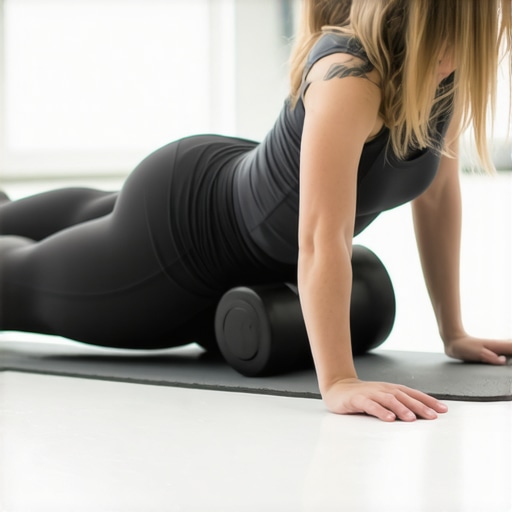
Maintaining your back’s health over time requires more than just awareness; it demands consistent use of effective tools and techniques that empower you to stay mobile and pain-free. One of my personal favorites is a foam roller. I use it daily to release tension in tight muscles, particularly in the hips and lower back. My go-to is a high-density foam roller, which provides adequate firmness for my myofascial release routines, especially targeting the piriformis and thoracic spine. Regular rolling helps prevent muscle knots that can contribute to postural imbalances and pain, and it’s surprisingly affordable and portable. For detailed guidance, I refer to resources like mobility strategies.
Another essential tool is a resistance band. I incorporate resistance bands into my routine to strengthen my core and hip stabilizers, which are crucial for maintaining proper posture during daily activities. The versatility of resistance bands allows for targeted exercises that are gentle yet effective, helping to reinforce correct movement patterns over the long term. Personally, I favor a set with multiple tension levels so I can progress gradually. This approach aligns with the evolving focus on neuromuscular control, which research suggests is vital for injury prevention (source: future mobility tips).
For monitoring posture throughout the day, I use a smart posture monitor. Devices like upright posture trainers or apps that connect to your phone serve as real-time feedback systems — reminding me to sit upright or fix my stance when I start slouching. I find these tools invaluable for ingraining good habits, especially during long work sessions. As posture correction technology advances, future tools will likely become even more intuitive, providing personalized adjustments based on your unique movement patterns.
When it comes to long-term results, consistency is key, but the right tools make that consistency achievable and sustainable. Incorporating these devices into your routine isn’t just about immediate relief; it’s about creating a lifestyle that naturally promotes spinal health. In the future, expect new innovations like wearable sensors that analyze your biomechanics in real-time, offering tailored suggestions via mobile apps, making self-care more precise and accessible.
How do I keep my tools effective over time?
To ensure your tools keep delivering benefits, integrate them into a regular routine, much like brushing your teeth. Periodically evaluate their effectiveness and upgrade as your needs evolve. For example, as my flexibility improved, I transitioned to more advanced mobility drills and adjusted my resistance band tension. Proper maintenance, such as cleaning your foam roller or updating app/software settings, also prolongs their usefulness. Remember, technology is always progressing. Staying informed about new research and innovations — perhaps by subscribing to specialized blogs or newsletters — helps you stay ahead in your mobility journey. Don’t hesitate to reach out via our contact page if you need personalized recommendations or face specific challenges. And if you want to kickstart a new level of mobility, try implementing a daily 5-minute foam rolling routine combined with dynamic stretching; you’ll notice improvements within weeks.
The Subtle Shift That Changed Everything for Me
One of the most eye-opening realizations I had was that progress wasn’t always about pushing harder or doing more; sometimes, it’s about tuning into the small, often overlooked details of movement and awareness. I used to believe that stretching constantly would alleviate my back pain, but I discovered that integrating dynamic mobility and paying attention to how I engaged my muscles made a real difference. This shift taught me the importance of patience and precision in my routine, and it helped me recognize that sustainable back health is a marathon, not a sprint.
Practical Wisdom from Personal Experience
- Patience Over Intensity: Initial progress in mobility and posture came when I slowed down and focused on quality over quantity, emphasizing controlled movements that prioritized form.
- Listening to My Body: Instead of pushing through discomfort, I learned to respect signals of strain, which prevented setbacks and promoted steady improvement.
- Small Adjustments Matter: Simple tweaks—like adjusting my chair height or consciously engaging my core—had a surprisingly big impact over time.
Tools That Truly Support Your Journey
- Foam Rollers: Trustworthy for releasing muscle tension and maintaining myofascial health, especially in tight areas like hips and lower back. My favorite is a dense, high-quality foam roller that offers both firmness and comfort.
- Resistance Bands: Versatile allies for strengthening stabilizers and reinforcing correct movement patterns, helping me stay balanced and injury-free.
- Posture Monitors: Devices that provide real-time feedback allow me to correct habits effortlessly, making good posture a default rather than a chore.
- Future-forward mobility routines keep me motivated with innovative ideas to stay agile.
If You Want Results, Embrace Your Unique Path
The most important lesson I’ve learned is that everyone’s back health journey is different. There’s no one-size-fits-all solution, and what works for me might need tweaking for you. Consistency and an open mind—trying new tools, exploring effective techniques, and listening deeply to your body’s needs—are your best allies. I encourage you to start small, celebrate each win, and keep curiosity alive in your mobility practice. Remember, lasting change comes from sustained effort and self-awareness. If you’d like personalized guidance or have specific questions, reach out to us. Your breakthrough could be just one mindful movement away.