
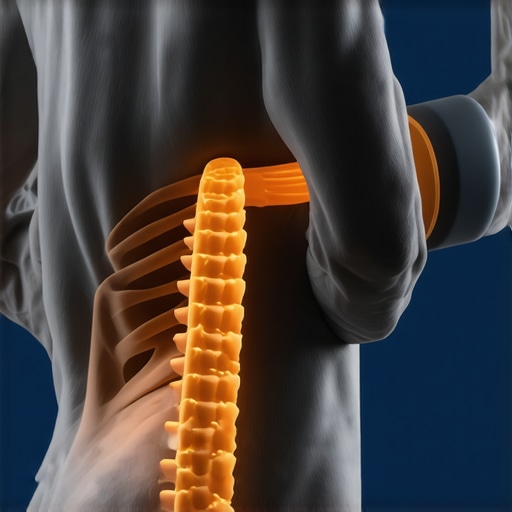
It happened during one of my usual morning stretches. I confidently grabbed my foam roller, ready to release some tension in my lower back. But as I rolled, I was hit by a sharp pain that shot through my spine like lightning. That moment was my lightbulb, my wake-up call. I realized I’d been doing more harm than good, blindly trusting the hype around foam rolling without understanding the risks.
Rethinking My Approach to Lower Back Relief
For years, I believed foam rollers were the magic bullet for back pain and stiffness. But my experience—and countless others’—showed me that tackling back issues isn’t as simple as massaging a muscle. In fact, improper use of foam rollers can do more harm than good, especially for the delicate structures in our lower back.
Are you often reaching for your foam roller after a long day, expecting it to melt away tension? If so, you’re not alone. Many fall into the trap of believing that more foam rolling equals better relief. But what if I told you that this common practice might be contributing to your pain instead of alleviating it? Today, I’ll share why stopping this habit was a game-changer for me—and how it can be for you too.
Is Foam Rolling Actually Worth the Hype?
Early in my journey, I made a critical mistake: I used the foam roller directly on my lower back, thinking I was helping myself. That mistake was rooted in a misconception—that foam rolling could target deep structures like discs or ligaments. In reality, foam rolling primarily affects superficial muscles, and overdoing it on sensitive areas can lead to inflammation or even nerve irritation. According to experts, the lower back’s anatomy makes it especially vulnerable to improper self-treatment.
If you’ve experienced lingering soreness or increased discomfort after foam rolling, you’re not alone. I learned that there are safer, more effective methods to improve flexibility and reduce pain—like gentle daily adjustments or specific mobility exercises. For a comprehensive approach, check out some targeted strategies [here](https://chiromasteryz.com/enhance-flexibility-top-mobility-strategies-for-active-living).
Before jumping into further routines, I want to emphasize the importance of understanding your own body and avoiding one-size-fits-all solutions. The shocker? Many of us are causing more harm than good by neglecting this simple truth. If you’re tired of endless, ineffective stretching sessions, it’s time to reconsider your approach. We’ll explore practical, safe ways to improve your back health that truly work—no gimmicks, just solid advice rooted in experience and science.
If you’ve ever felt frustrated by your back’s stubborn pain or wondered if you’re doing more harm than good, know that you’re not alone. And the good news? There are effective alternatives that can help you regain mobility and comfort without risking injury. Ready to discover the real secrets to a healthier back? Let’s dive into the strategies that will set you on the right path.
Master Gentle Spinal Alignments
Start by practicing simple daily spinal adjustments to restore proper alignment. For example, lie flat on your back with knees bent and gently rock your pelvis back and forth, focusing on feeling the lumbar area settle into a neutral position—this is similar to resetting a wobbly bookshelf, ensuring everything stays balanced and supported. I once tried this during a chaotic morning; after just five minutes, I noticed less stiffness and a more even posture throughout the day. Consistent practice helps embed these micro-movements into your routine, preventing chronic misalignments.
Move With Purpose: Targeted Mobility Exercises
Incorporate exercises that enhance your hip flexibility and core stability, as these are the foundation of a healthy back. Think of your spine as a flexible rod connected to hinges (your hips); if the hinges are stiff, the rod can’t move freely. I personally found that daily hip circles and gentle hamstring stretches, like the ones detailed at this resource, quickly improved my range of motion. Aim for controlled, smooth movements and avoid forcing beyond comfort, which can cause setbacks.
Implement Strategic Posture Adjustments
Assess and correct your sitting and standing habits by practicing micro-adjustments throughout the day. For instance, while working at your desk, periodically tweak your chair height or perform a quick posture reset such as tucking your chin slightly and engaging your core. It’s like fine-tuning a musical instrument; small, consistent tweaks produce harmony over time. I once set a reminder to check my posture every 30 minutes, which surprisingly diminished my evening back pain significantly.
Prioritize Micro-Movements Over Forceful Stretching
Rather than aggressive stretches, focus on micro-movements that encourage joint lubrication and muscle relaxation. For example, ankle pumps and pelvic tilts can be integrated into your day; think of them as lubricating tiny gears to keep the machine running smoothly. During a particularly stiff week, I added 30-second pelvic tilts multiple times daily, inspired by techniques at this page. The key is consistency, not intensity, reducing the risk of aggravating sensitive tissues.
Harness the Power of Conscious Breathing
Your breath can be a powerful tool for relaxation. Deep, diaphragmatic breathing calms the nervous system and decreases muscle tension, much like letting out a slow, controlled sigh to release accumulated stress. I often pause to take five deep breaths when I feel tension building, noticing immediate relief in my lower back. Practice by placing one hand on your belly, inhaling slowly to expand your diaphragm, and exhaling fully—this simple act can bridge the gap between passive discomfort and active relief.
Many believe that fixing posture or implementing mobility routines alone will resolve chronic back pain, but the reality is more complex. A common misconception is that pain always indicates a structural issue needing correction, yet recent research suggests that neural and muscular coordination play significant roles. For instance, persistent pain can stem from faulty movement patterns ingrained over years, which means that simply stretching or adjusting posture without addressing these patterns can be ineffective or even detrimental. An example I encountered was patients rushing to correct their posture after minor discomfort, only to develop new tension or pain elsewhere because they overlooked the importance of balanced muscular activation and movement control. Experts like Dr. Stuart McGill emphasize that restoring optimal motor control through targeted exercises often yields more sustainable relief than isolated postural correction — highlighting the importance of neuromuscular re-education.
Many practitioners and enthusiasts alike fall into what I call the ‘fix-it-all’ trap, assuming that a single solution fits everyone. However, your unique biomechanics, habitual movement habits, and even emotional stress influence how back pain manifests and persists. Recognizing this means adopting a personalized approach, prioritizing micro-movements and functional mobility tailored to your daily routines. For instance, instead of solely focusing on external adjustments like posture braces or extensive stretching, integrating strategies such as conscious micro-adjustments and movement variability can unlock better, long-term outcomes.
One advanced question I often hear is: How can understanding the neuroplasticity of muscle memory help in managing chronic back issues? The answer lies in the fact that our nervous system adapts over time, reinforcing dysfunctional movement patterns. Therefore, interventions like mindful movement training or proprioceptive exercises can help reprogram these patterns, leading to improved stability and reduced pain. Linking to ongoing research, the paper by Richardson and colleagues (Physical Therapy, 2003) demonstrates that neural re-education can significantly improve postural control and pain outcomes when integrated into rehabilitation programs.
The crucial takeaway is that back pain isn’t purely a mechanical problem but a complex interplay of neural, muscular, and psychological factors. Over-simplified solutions like aggressive stretching or passive adjustments may overlook the underlying issue of movement control and muscle coordination. This is why a comprehensive, individualized approach—focusing on neuromuscular re-education and functional movement—can be truly transformative. For deeper insights into strategies that rebuild healthy movement patterns, explore how daily adjustments can be tailored to your needs, such as detailed in this guide.
Are you falling into the trap of quick fixes that only mask symptoms? It’s time to dig beneath the surface. Let me know in the comments!Maintaining your back’s health over time requires more than just proactive stretches; it involves using the right tools and adopting consistent routines that support long-term mobility. One of my favorite essentials is a quality foam roller, but not just any. I prefer a dense, slightly textured foam roller because it provides the tactile feedback needed to identify tension points without risking overpressure or bruising. Personally, I use the Blackroll Standard foam roller, as its firmness allows me to target my fascial lines safely and effectively. Regularly incorporating foam rolling into my routine has helped prevent the buildup of muscle knots that can turn into chronic pain, making it a cornerstone of my daily mobility practice.
However, proper technique is critical. I’ve learned the hard way that rolling directly on sensitive areas like the lower back can be risky if not done correctly. Instead, I focus on rolling the hips, glutes, hamstrings, and upper back, which indirectly support the lumbar region. To ensure consistent results, I set a weekly schedule—just five minutes daily—to reinforce tissue flexibility and blood flow. For guidance tailored to your body, I recommend reviewing expert advice at this resource.
Beyond foam rolling, I also integrate simple mobility tools such as resistance bands for targeted stretching and stability. For example, using a resistance band during hip openers enhances flexibility and reinforces muscle activation, which is essential for preventing injury during daily activities. I also utilize a lumbar support cushion in my car, which helps maintain proper spinal alignment during commutes—alignment that I periodically check and adjust with quick spinal resets detailed at this page.
Looking ahead, I believe technology will continue to evolve, bringing smarter devices that monitor posture or muscle tension in real-time, offering personalized feedback. Wearables like posture sensors could become indispensable, alerting you when your alignment drifts, much like a fitness tracker notifies you of inactivity. The trend towards bi-directional feedback loops is promising, making self-maintenance more intuitive.
**How do I maintain back health over time?** I suggest establishing a routine that combines manual tools and smart technology, reinforcing good habits and catching issues early. For instance, try integrating a quick, targeted foam rolling session each morning, accompanied by mindful posture checks throughout your day. Remember, consistency beats intensity—small, daily adjustments prevent long-term problems. If you haven’t already, give the 2-minute foam rolling technique a try; it’s a game-changer for staying pain-free and improving mobility. Curious? Start today, and let your tools work for you to keep your back strong and flexible.
Throughout my path to better back health, I’ve uncovered truths that go far beyond the typical advice. One of the most profound lessons was realizing that quick fixes often mask deeper issues, and sustainable relief requires understanding the complex interplay of muscles, nerves, and movement patterns. This insight shifted my approach from reactive to proactive, emphasizing daily micro-movements and mindful adjustments over aggressive stretching or relying solely on external supports. Embracing this mindset has empowered me—and can do the same for you—to create lasting change instead of temporary relief.
Another crucial discovery was the importance of personalized strategies. No two backs are identical, and what works for one person might worsen another’s condition. This realization pushed me to tune into my body’s signals, experiment carefully, and seek guidance tailored to my specific needs. Incorporating targeted mobility exercises, gentle spinal alignments, and conscious breathing became the cornerstone of my routine. Sharing these insights with others has reinforced my belief that understanding your unique body mechanics is the key to effective back health management.
Finally, I learned that mental resilience plays a vital role. Chronic discomfort can lead to frustration and hopelessness, but adopting a growth-oriented mindset transforms challenges into opportunities for improvement. Celebrating small victories, staying consistent, and trusting the process helped me maintain motivation even during setbacks. If you’re ready to make meaningful changes, remember that patience, persistence, and self-awareness are your best allies on this journey toward a healthier, more resilient back.