

I’ll never forget the day I went to get my annual physical and the nurse told me I was 5’10”. I’ve been a proud 5’11” since I was twenty! I actually argued with her, convinced the wall-ruler was crooked or the scale was broken. But the truth hit me harder than the realization: gravity had been winning the long-term battle for decades. It is a visceral, slightly unnerving feeling when you realize your favorite jeans are suddenly dragging an inch lower on the floor than they used to. I felt like I was literally folding in on myself. This wasn’t just about a number on a chart; my back felt tighter, my neck felt stiffer, and I just didn’t have that ‘spring’ in my step anymore.
Stop Letting Gravity Win the Height War
It is not just a vanity thing. That loss of height is a physical manifestation of what is happening to your spinal discs and your overall skeletal alignment. As we age, those jelly-like discs between our vertebrae lose water content and compress. If you combine that with the way we hunch over screens, you have a recipe for a collapsing frame. Early on, I made a massive mistake: I thought I could just ‘force’ myself to stand up straighter or that stretching my hamstrings would fix my back relief issues. I was wrong. I was attacking the symptoms without understanding that how an adjustment restores more than just range of motion is the real secret to maintaining your stature. You can’t just stretch your way out of a structural collapse.
Is losing height actually a serious health concern?
Many of my neighbors ask me if shrinking is just an inevitable part of getting older, like gray hair or wrinkles. While some loss is common, excessive height loss is often a red flag for poor bone density or a complete lack of core support. Have you ever noticed why you feel shorter at night and how to decompress after a long day? That is the daily ‘gravity tax’ in action. If you don’t have a plan to combat it, that daily compression becomes permanent. It’s why posture correction secrets that transform back pain outcomes are so vital for anyone over thirty. Have you noticed your clothes fitting differently or realized you can’t quite reach the top shelf like you used to? I’d love to hear if you’ve had that same ‘wait, was I taller?’ moment at the doctor’s office.
According to Harvard Health, the average person loses about a quarter to a half-inch every decade after age 40. By the time you hit 70, you could be two inches shorter than you were in your prime. That is not just a change in height; it is a change in how your internal organs are spaced and how your nerves function. Today, we are going to dive into the specific habits that are accelerating this process and how you can reclaim your space.
Stop Your Spine from Folding Like a Cheap Suit
Think of your spine like a high-end suspension system on a luxury car. When those springs lose their tension, the whole chassis starts to drag. To stop the ‘gravity tax’ I mentioned earlier, you have to move beyond just standing up straight. You need to create internal space. I learned this the hard way. I used to spend my afternoons literally ‘sucking it in’ to look thinner, which actually locked my diaphragm and forced my lower back to do all the heavy lifting. I didn’t realize that why you should stop sucking in your stomach to look thinner was the first step toward actual stability. By letting my breath move naturally, I finally stopped the constant shearing force on my vertebrae.
Build a Shield Around Your Vertebrae
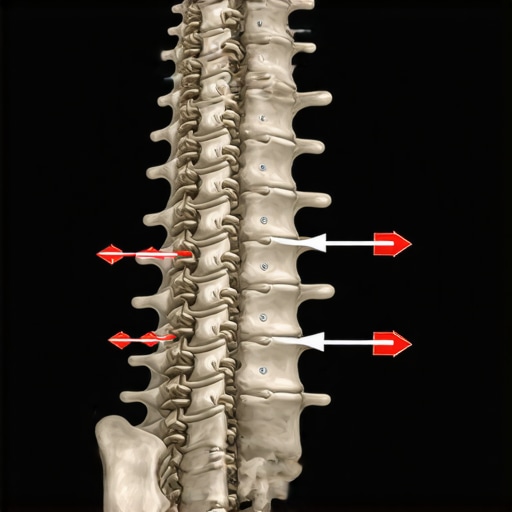
If you want to maintain your height, you have to master the deep core connection that stops your spine from shear stress. This isn’t about six-pack abs; it’s about the transverse abdominis, your internal corset. When this muscle is weak, your vertebrae slide forward—a process called shear—which grinds down those precious discs. I spent years doing crunches, wondering why my back still hurt, until a mentor showed me how to engage my pelvic floor and lower ribs simultaneously. It was like someone finally inflated the flat tires on my back.
Reset Your Pelvis Before You Sit Down
Most of us sit with our pelvis tucked under like a sad dog, which rounds the entire spine. You can find instant relief by using the chair hack to keep your pelvis neutral while working. Instead of slouching, find your ‘sit bones’—those two hard points in your glutes—and make sure you are perched directly on top of them. This creates a stable foundation that prevents your lumbar spine from collapsing into a ‘C’ shape. For those of us stuck in Zoom meetings, mastering the simple pelvic tilt that makes sitting for hours painless is the difference between ending the day feeling mobile or feeling like a human pretzel.
Start Your Day with a Gravity Reset
You are tallest the moment you wake up because your discs have spent eight hours rehydrating. The goal is to keep that height as long as possible. I now swear by the morning routine to decompress your spine before coffee. This isn’t a workout; it’s a structural reset. By performing a gentle wall hang or a thoracic opener, you are essentially ‘greasing the hinges’ before the weight of the day sets in. If you find yourself slouching by noon, try the 30-second wall reset for hunchback posture to pull your head back over your shoulders and take the pressure off your C7-T1 junction.
Fix Your Breathing to Open Your Ribs
Most people breathe into their chests or upper shoulders, which keeps the neck muscles in a state of high alert. If you want to expand your stature, you have to learn how to breathe through your ribs to ease lower back tension. Imagine your ribcage is an umbrella. As you inhale, the umbrella should open 360 degrees, pushing out to the sides and into your back. This creates an internal pressure that physically pushes your vertebrae apart, giving your discs room to breathe. When I finally fixed my breathing, I noticed I didn’t just feel taller—I felt lighter, as if the air itself was supporting my weight.
Why Stretching Your Way to Relief is Backfiring
Everyone tells you that if you feel tight, you need to stretch. It’s the most common advice in the fitness world. But in my years of dealing with my own shrinking stature and helping others, I’ve found that the ‘rubber band’ approach—pulling at a tight muscle until it gives—often does more harm than good. When your spine feels compressed, your brain often sends a signal to your muscles to tighten up as a protective ‘splint.’ If you force those muscles to release without addressing the underlying structural instability, you are essentially pulling the safety pins out of a grenade. This is specifically why stretching your hamstrings might be making your back pain worse; you’re removing the tension that was actually holding your pelvis in place because your core wasn’t doing its job.
Does your spine actually need more ‘looseness’ or more stability?
This is the question that separates the beginners from the pros. Advanced spinal health isn’t about being as flexible as a gymnast; it’s about ‘proximal stiffness.’ Dr. Stuart McGill, a world-renowned expert in spine biomechanics, emphasizes that a stiff core is actually what allows for mobile limbs. If you are constantly trying to ‘loosen’ your back, you might be creating micro-movements in your vertebrae that lead to long-term disc wear. I’ve seen people make the the 90-90 hip stretch mistake that is hurting your lumbar spine simply because they were chasing flexibility at the expense of their lower back’s integrity. Real mobility comes from the nervous system feeling safe enough to let go, not from physically yanking on your tendons.
The Deadly Trap of the Passive Posture Brace
We’ve all seen those ads for shoulder harnesses that ‘fix your posture’ in ten minutes. It is a seductive trap. When you wear a brace, you are outsourcing your stability to a piece of elastic and Velcro. Over time, your brain decides those muscles are no longer needed, leading to what we call disuse atrophy. Understanding the truth about posture braces and muscle atrophy is vital: they are a temporary crutch that often leads to a permanent collapse. Similarly, you have to be careful with your environment. I’ve seen many cases why your lumbar support might be making your pain worse because it forces a curve into the spine that doesn’t match the user’s natural anatomy, creating new pressure points instead of relieving old ones.
Reclaim Your Height Through Neurological Reset
The secret to staying tall as you age isn’t just physical; it’s neurological. A professional adjustment does more than ‘crack’ a joint; it resets the communication between your joints and your brain. It’s fascinating how chiropractic adjustments can clear brain fog after a long week by reducing the ‘background noise’ of constant pain signals. When that noise stops, your body naturally stops slouching because it’s no longer in a defensive crouch. Have you ever fallen into the trap of buying a ‘gadget’ to fix your back only to find it made you feel stiffer? I’d love to hear about your experience in the comments below. Let’s stop looking for the quick fix and start focusing on the structural foundation that actually keeps us standing tall.
I stopped looking for a magic pill and started looking at my daily gear once I realized that my environment was actively conspiring against my height. That foundation requires the right gear, and honestly, most ‘ergonomic’ chairs are more marketing than medicine. I’ve spent thousands on equipment over the years, but the most effective tools in my arsenal are often the simplest ones that I actually use every single day.
Your Workspace is a Spine Trap Without These Tweaks
If you work from a laptop, you are effectively living in a permanent ‘C’ curve. My game changed when I stopped using my laptop screen as my primary monitor. I follow a strict protocol now: the top of your screen should be exactly at eye level. I recommend applying the 2-inch rule for your laptop stand to save your neck from strain. This minor elevation prevents your head from drifting forward, which otherwise puts massive stress on the base of your skull. When I neglected this, I could feel the monitor height hack for preventing c7-t1 nerve pressure becoming a necessity rather than a luxury. It’s not just about comfort; it’s about preventing your cervical spine from molding into a permanent tech-neck position.
How do I keep my spine healthy as I get older?
Consistency beats intensity every time. You don’t need a two-hour gym session; you need ten minutes of maintenance. Dr. Kelly Starrett, author of The Supple Leopard, often notes that ‘all human beings should be able to perform basic maintenance on themselves.’ I’ve adopted this as my mantra. To stay mobile, you must adjust your routine for daily spinal alignments for lasting relief. This means treating your body like a high-performance vehicle that needs a daily inspection. If you find yourself stiffening up, I suggest you learn how to use a tennis ball to release tension in your feet and back. Rolling out your plantar fascia might seem unrelated to your back, but the fascial chain starts at the bottom of your feet and ends at your eyebrows. If the feet are tight, the spine is under tension.
Stop the Foot to Back Chain Reaction
I used to ignore my feet until I realized my lower back spasms were actually caused by my arches collapsing during my afternoon walks. It was a revelation. Most people don’t realize the foot arch connection to your chronic lower back spasms until they are already in pain. By using simple toe spacers or barefoot-style shoes at home, I’ve managed to rebuild that foundation. If you are serious about long-term results, you have to master your mobility with top strategies for moving without pain, starting from the ground up. I truly believe that in the next five to ten years, we are going to see a massive shift toward wearable haptic feedback sensors—small devices that vibrate against your skin the moment your spinal shear increases. We are moving away from passive furniture and toward active, bio-feedback-driven environments.
I want you to try one thing today: move your computer monitor up by just two inches. It sounds too simple to work, but it’s the one ‘advanced’ tip that has saved my neck more than any expensive massage ever could. Let me know if your mid-back knots start to disappear after you try it.
Hard Lessons from My Decades of Spinal Maintenance
Looking back at my journey from a compressed 5’10” back to my natural stature, I realized that most of what we are told about back health is incomplete. The hardest lesson I learned was that more movement isn’t always better; smarter movement is. I wasted years trying to be the most flexible person in the yoga class, only to realize that my spine didn’t need to be a noodle—it needed to be a pillar. I also discovered that your brain is the ultimate architect of your posture. If you feel unsafe or stressed, your nervous system will physically ‘pull you in’ for protection. This is why you must unlock better back health with effective posture tips for 2025 that focus on neurological safety, not just physical straining. Lastly, I learned that breathing is not just for oxygen; it’s a structural jack that can physically lift your ribs off your pelvis if you do it right.
The Minimalist Gear I Use Every Single Day
I don’t believe in expensive gadgets that gather dust in the corner. If you want to maintain your height, you only need a few high-value tools that I personally swear by. First, I recommend the book The Supple Leopard by Dr. Kelly Starrett; it’s the definitive guide to understanding how your joints should actually move. For my workspace, I transitioned to a simple, adjustable laptop stand to ensure I never violate the 2-inch rule again. When I feel those mid-back knots creeping in after a long writing session, I immediately perform the wall angel move that reverses a day of hunching over a phone. It is the single most effective ‘reset’ button I’ve found in twenty years. Finally, never underestimate a simple tennis ball to release your feet—it’s the most portable chiropractor you’ll ever own.
Take Your First Step Toward a Taller Future
Reclaiming your height isn’t about fighting a losing battle against age; it’s about giving your body the space it needs to function at its peak. You don’t have to accept the ‘gravity tax’ as an inevitability. By implementing these small, daily adjustments, you are quite literally changing the shape of your future. Whether it’s fixing your monitor height or mastering your deep core, every inch of effort pays off in long-term mobility. If you are feeling stuck or overwhelmed by chronic compression, remember that you don’t have to do it alone. Many people find that they feel taller and lighter after a professional adjustment, which provides the ‘blank slate’ your nervous system needs to build new, healthier habits. Don’t be afraid to reach out and contact us if you need a guide on this journey. You deserve to stand tall, move freely, and live without the weight of the world on your shoulders. It all starts with the posture correction secrets that transform back pain outcomes and give you your life back. What was the one habit you realized was secretly shrinking your stature? Let me know in the comments below!