

I stepped out onto the sidewalk, took a deep breath, and realized something was off. Not a bad ‘off,’ but a ‘the-world-looks-slightly-different’ kind of off. I caught my reflection in the window of a nearby cafe and noticed my chin wasn’t buried in my chest for once. When I got into my car, I actually had to tilt my rearview mirror up by a good half-inch. It wasn’t magic, but it felt like a superpower I’d lost years ago to a desk job and a stubborn slouch. I felt light. I felt airy. Most importantly, I felt like I was finally taking up the space I was meant to occupy without forcing it.
Why I Had to Adjust My Car Mirror After My Last Visit
That feeling of suddenly being a giant among men—or at least an inch taller than you were twenty minutes ago—is one of the coolest side effects of a solid session. For years, I just assumed it was a mental trick. I thought I was just in less pain, so I was standing straighter. But there is a very real, physiological reason why you feel taller and lighter after a professional adjustment. Most of us are walking around like compressed springs. Between gravity and our terrible sitting habits, our spines take a beating. I spent a long time thinking I could fix this myself with those cheap elastic straps from the internet, but I learned the hard way about the truth about posture braces and muscle atrophy. I ended up weaker than when I started because I wasn’t actually fixing the alignment; I was just leaning on a crutch that let my muscles get lazy. I used to be the guy who thought ‘more stretches’ was the only answer. I’d spend twenty minutes on a foam roller every night, yet I’d wake up feeling like a folded piece of cardboard. It turns out, I was ignoring the structural ‘jam’ in my joints. I didn’t realize that how an adjustment restores more than just range of motion includes literal decompression. When your vertebrae are subluxated—basically, stuck in a funky position—the muscles around them guard and tighten. This creates a cascading effect where you literally shrink under the tension. I was even making the standing error that puts 50 pounds of pressure on your L5-S1 without even knowing it, just by locking my knees and tucking my pelvis.
Does an adjustment actually make you grow or is it just a myth?
Technically, you aren’t adding new bone. Sorry to disappoint if you were hoping for a late-stage growth spurt. However, you are reclaiming the height that daily life has stolen from you. Think about it: your intervertebral discs are like little sponges. Throughout the day, they lose moisture and compress—which is why you feel shorter at night. When your joints are locked up or misaligned, that compression stays stuck. An adjustment helps restore the proper space between those discs. Interestingly, research published in the Journal of Manipulative and Physiological Therapeutics indicates that spinal manipulation can lead to immediate, measurable increases in the height of the intervertebral disc space. When those posture correction secrets finally click, you aren’t just feeling better—you’re literally standing at your full potential. It’s not just about the bones, either. When the nervous system is firing without interference, your postural muscles actually start doing their job again. Have you ever had that ‘aha’ moment where you suddenly felt like the ceiling was closer than it used to be after a visit? Drop a comment and tell me how much you had to move your car mirror! We’re going to dive into how this realignment affects your nerves and your brain fog next, but first, we need to talk about why staying ‘tall’ is a constant battle against your own habits, like the couch position that is quietly ruining your lumbar curve every single evening.
How to Stop Your Spine from Shrinking Every Single Day
To keep that ‘post-adjustment tallness’ alive, you have to realize that your body is constantly reacting to its environment like a piece of clay. If you mold it into a slouch for eight hours, it stays a slouch. Reclaiming your height isn’t a one-time event; it’s about removing the constant downward pressure. Think of your spine like a tent pole. If the guy-wires—your muscles—are pulled too tight on one side, the pole bows and loses its structural integrity. To fix this, we need to focus on how you interact with the world from the inside out, starting with your breath and ending with your desk setup.
Breathing Through Your Ribs Beats Mouth Breathing
Most people breathe ‘up’ into their shoulders, using their neck muscles to lift the ribcage. It’s exhausting for your body and keeps your nervous system in a state of high alert. I learned that how your mouth breathing habit is locking up your neck muscles is one of the fastest ways to lose that feeling of lightness. When you breathe through your mouth, you force your head forward to open the airway, which puts massive strain on the upper cervical spine. Instead, you need to practice lateral rib expansion. Learning how to breathe through your ribs to ease lower back tension acts like an internal decompression machine. Every deep, diaphragmatic breath creates a tiny bit of space between your vertebrae, essentially ‘inflating’ your height from within.
Your Laptop Is a Trap for Your C7 Vertebrae
I used to be a hotel-lobby-warrior, hunching over my laptop on low coffee tables while traveling. One Tuesday, after a marathon typing session, I tried to stand up and my mid-back felt like it had been superglued into a curve. I was stuck in a semi-permanent ‘C’ shape for hours, and no amount of stretching helped because I hadn’t addressed the root. That was the day I discovered how to fix a stuck feeling in your mid-back by changing my eye line. If you are looking down, you are failing. Use the monitor height hack for preventing c7-t1 nerve pressure: your eyes should hit the top third of your screen. I started using a portable stand to satisfy the 2-inch rule for your laptop stand to save your neck from strain, and the ‘heavy’ feeling in my shoulders vanished. 
Reset Your Frame and Clear the Fog
When you’re compressed, it isn’t just your back that suffers; it’s your brain. A jammed neck restricts blood flow and nerve signaling, which is why how chiropractic adjustments can clear brain fog after a long week is such a common piece of feedback. To keep that clarity, you need a physical reset button. I use the 30-second wall reset for hunchback posture every time I finish a long meeting. It’s a simple way to remind my nervous system where ‘center’ actually is. Pair this with the chair hack to keep your pelvis neutral while working, and you stop the slow structural collapse that happens between 2:00 PM and 5:00 PM. By maintaining a neutral pelvis, you provide a stable base for your spine to stack vertically, ensuring you leave the office just as tall as you entered it.Most people think that if a muscle feels tight, the only solution is to pull on it until it gives up. I was that guy. I would spend twenty minutes every morning aggressively stretching my hamstrings, only to find my back pain getting sharper by lunchtime. This is the biggest ‘oops’ in the world of mobility: mistaking protective tension for actual muscle shortness. In reality, why stretching your hamstrings might be making your back pain worse often boils down to your nervous system trying to stabilize a shaky pelvis. If you stretch away that tension, you are essentially removing the only thing keeping your lower back from collapsing under its own weight.
How to Spot the Stretching Trap Before It Hurts
There is a massive difference between flexibility and functional range. You can be the most flexible person in your yoga class and still have a spine that feels like it is made of glass. I learned this the hard way when I realized why stretching your psoas might actually be making your back hurt more. The psoas is a deep stabilizer that attaches directly to your lumbar vertebrae. When your core isn’t firing correctly, the psoas works overtime to keep you upright. If you go in there with deep stretches without first building stability, you are inviting shear stress into your spinal discs. 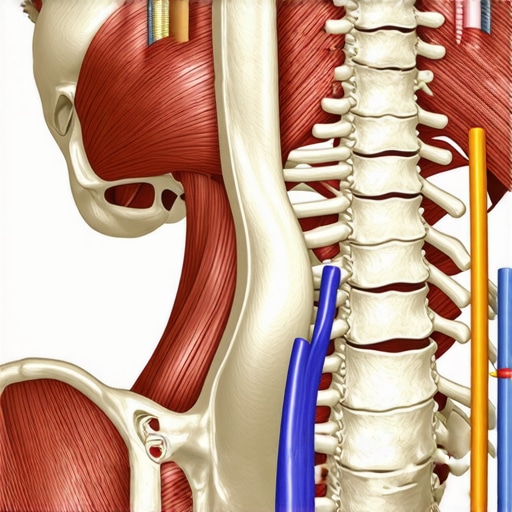
Is your tightness actually a cry for stability?
This is the advanced question that changed my entire approach to recovery. We often treat the body like a series of rubber bands, but it is more like a complex suspension bridge. A study published in the Journal of Bodywork and Movement Therapies highlights that what we perceive as ‘tightness’ is frequently a neurological protective tone. Your brain is literally tightening the muscles to protect a joint it perceives as unstable. This is why why your core strength isn’t stopping your back aches if you are only focusing on the visible six-pack muscles. You need to focus on the deep core connection that stops your spine from shear stress.
Stop Chasing the Stretch and Start Finding Stability
To truly enhance your mobility with expert tips for easier movement in 2025, you have to stop the mindless pulling. Instead of another psoas stretch, try activating your glutes and deep abdominals to give those ‘tight’ muscles a reason to let go. When the brain feels that the joints are supported, it will naturally release the tension without you having to fight it. It is a complete shift from forcing the body to cooperating with it. Have you ever fallen into this trap? Let me know in the comments.
Maintaining that ‘tall’ feeling isn’t about being a perfectionist; it’s about tactical environmental changes that stop the compression before it starts. For a long time, I thought I needed a five-thousand-dollar chair to be ‘ergonomic,’ but I eventually realized that why your expensive desk chair might be giving you false sciatica is often due to how it forces your pelvis into a tucked position. I stopped relying on the ‘ergonomic’ marketing and started focusing on my foundation. Dr. Stuart McGill, a world-renowned expert in spine biomechanics at the University of Waterloo, emphasizes the concept of ‘Spinal Hygiene’—the idea that small, repetitive movements and micro-breaks throughout the day matter more than one hour of heavy lifting or a single intense session.
Ditch the Fancy Chair and Fix Your Feet Instead
The most effective change I ever made wasn’t a new desk; it was a simple block under my feet. I learned that how to use a footrest to save your lower back at work is the secret to keeping your psoas from pulling on your spine. When your feet are flat or dangling, your lower back has to do the heavy lifting of stabilization. By slightly elevating the knees, you can perform the simple pelvic tilt that makes sitting for hours painless without even thinking about it. This is how you adjust your routine for lasting relief—by making the right position the easiest position to stay in.
The Low-Tech Secret for Supple Joints
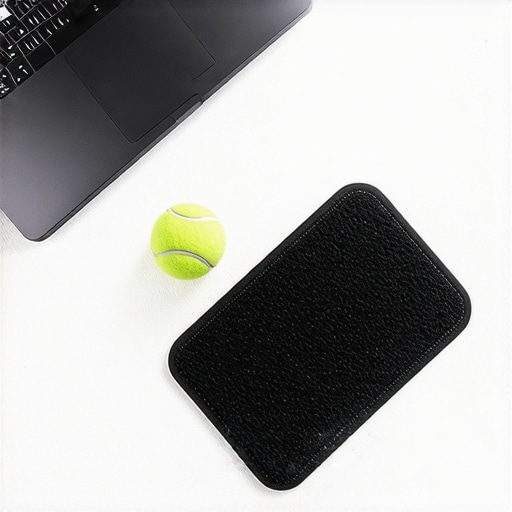
I also keep a tennis ball under my desk at all times. It’s not for my dog; it’s my secret weapon for kinetic chain health. Knowing how to use a tennis ball to release tension in your feet and back is a game-changer because your plantar fascia is connected to your hamstrings, which are connected to your pelvis. If you roll your feet for two minutes, your back will feel loose. This is one of those posture correction secrets that nobody talks about because it costs less than three dollars. When you pair this with the 10-second posture check to do every time you check your phone, you’re no longer just reacting to pain—you’re managing your structural integrity in real-time.
How do I keep my spine from shrinking between visits?
Consistency in small habits is the only way to unlock better back health with effective posture tips for 2025. Looking forward, I predict we will see a massive shift toward biofeedback wearables that don’t just track steps, but measure the actual ‘shear’ and ‘compression’ in our lumbar spine using real-time sensors. Until then, you have to be your own sensor. Use the morning routine to decompress your spine before coffee to reset the clock every single day. If you want to see a massive difference by next week, I challenge you to try the footrest hack today—grab a stack of books or a yoga block and put your feet up while you work. Your L5-S1 will thank you almost instantly.
Maintaining that ‘tall’ feeling isn’t about being a perfectionist; it’s about tactical environmental changes that stop the compression before it starts. For a long time, I thought I needed a five-thousand-dollar chair to be ‘ergonomic,’ but I eventually realized that why your expensive desk chair might be giving you false sciatica is often due to how it forces your pelvis into a tucked position. I stopped relying on the ‘ergonomic’ marketing and started focusing on my foundation. Dr. Stuart McGill, a world-renowned expert in spine biomechanics at the University of Waterloo, emphasizes the concept of ‘Spinal Hygiene’—the idea that small, repetitive movements and micro-breaks throughout the day matter more than one hour of heavy lifting or a single intense session.
Ditch the Fancy Chair and Fix Your Feet Instead
The most effective change I ever made wasn’t a new desk; it was a simple block under my feet. I learned that how to use a footrest to save your lower back at work is the secret to keeping your psoas from pulling on your spine. When your feet are flat or dangling, your lower back has to do the heavy lifting of stabilization. By slightly elevating the knees, you can perform the simple pelvic tilt that makes sitting for hours painless without even thinking about it. This is how you adjust your routine for lasting relief—by making the right position the easiest position to stay in.
The Low-Tech Secret for Supple Joints
I also keep a tennis ball under my desk at all times. It’s not for my dog; it’s my secret weapon for kinetic chain health. Knowing how to use a tennis ball to release tension in your feet and back is a game-changer because your plantar fascia is connected to your hamstrings, which are connected to your pelvis. If you roll your feet for two minutes, your back will feel loose. This is one of those posture correction secrets that nobody talks about because it costs less than three dollars. When you pair this with the 10-second posture check to do every time you check your phone, you’re no longer just reacting to pain—you’re managing your structural integrity in real-time.
How do I keep my spine from shrinking between visits?
Consistency in small habits is the only way to unlock better back health with effective posture tips for 2025. Looking forward, I predict we will see a massive shift toward biofeedback wearables that don’t just track steps, but measure the actual ‘shear’ and ‘compression’ in our lumbar spine using real-time sensors. Until then, you have to be your own sensor. Use the morning routine to decompress your spine before coffee to reset the clock every single day. If you want to see a massive difference by next week, I challenge you to try the footrest hack today—grab a stack of books or a yoga block and put your feet up while you work. Your L5-S1 will thank you almost instantly.
The Most Surprising Lessons From My Years of Slumping
First, I had to accept that my habit of cracking my own neck was actually a trap. I thought I was fixing the problem, but why self-cracking your neck makes the stiffness come back faster is all about creating hypermobility in the wrong spots. It feels good for five minutes, but it solves nothing structural.
Second, movement is the only medicine that never expires. Instead of static holds, a morning movement routine that lubricates your joints prepares your spine for the day’s stressors much better than a 30-second hamstring stretch ever could.
Third, your environment is either your ally or your enemy. I spent so long fighting my body when I should have been fixing my workspace. When the furniture fits you, your nervous system finally stops screaming for a break.
Tools I Actually Use to Stay Vertical
I swear by the ‘Stack of Books’ footrest. You don’t need a fancy gadget to learn how to use a footrest to save your lower back at work; you just need to get your knees slightly higher than your hips to slacken the psoas and release the lower back tension.
My second essential is a laptop stand that follows the 2-inch rule for your laptop stand to save your neck from strain. Keeping your eyes up is the easiest way to prevent that ‘heavy head’ feeling by the afternoon. I also highly recommend looking into ‘The Back Mechanic’ by Dr. Stuart McGill; his research on spinal hygiene changed the way I move throughout the day.
#IMAGE_PLACEHOLDER_E#
Take the First Step Toward Your Full Height
Reclaiming your height and freedom of movement isn’t about finding a magic pill; it’s about a series of small, intentional choices. Whether you’re dealing with chronic back pain or just want to stop the afternoon slump, these posture correction secrets are within your reach. You deserve to walk through the world feeling tall, light, and pain-free. Don’t let another day of gravity win the battle—start small, stay consistent, and watch how much your quality of life improves when your spine is finally in sync. Have you ever felt that ‘instant growth spurt’ after an adjustment, or did you have to tilt your car mirror like I did? Let me know in the comments below!