
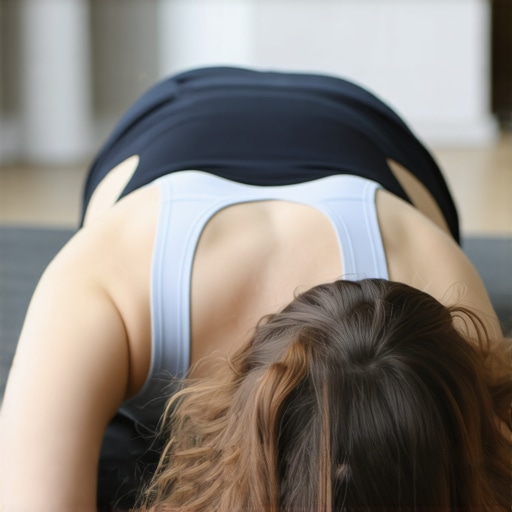
I spent years thinking my hips were just “short.” I would drop into a deep lunge every morning, gritting my teeth and convinced that if I just pulled hard enough, the tension would vanish. It did not. In fact, most days, I felt even more brittle by noon. The lightbulb moment happened when I realized that my hip flexors weren’t actually tight because they were physically short; they were tight because they were exhausted and terrified. They were working overtime to stabilize a core that wasn’t doing its job. This is a trap many of us fall into, and if you are like me, you have probably wondered if you are just “built wrong.” We are going to change that narrative today by focusing on neural relaxation rather than brute force.
Stop Pulling on a Muscle That Is Already Overworked
When you have that constant gnawing feeling in the front of your hip, your first instinct is to stretch it out. I made this mistake for a decade. But here is the kicker: if your brain thinks your spine is unstable, it will command your psoas to lock down like a seatbelt. Why stretching your psoas might actually be making your back hurt more is a real phenomenon because you are essentially trying to rip open a safety mechanism. Instead of more flexibility, we need better mobility strategies for active living that focus on function over tension. Have you ever felt like you are stretching a rubber band that just snaps right back the moment you let go?
Is stretching actually the enemy of progress?
It sounds like heresy in the fitness world, doesn’t it? We are told to “stretch it out” for every ache. However, research published in the Journal of Clinical Medicine suggests that “tightness” is often a sensory-motor illusion where the nervous system maintains a high level of muscle tone for protection. This is why you feel better for five minutes after a stretch, then go right back to feeling like a tin man. I learned the hard way that mobility mastery isn’t about being a yogi; it is about convincing your brain that it is safe to let go. [IMAGE_PLACEHOLDER]
Your Brain Is Holding Your Hips Hostage
The psoas is your body’s primary fight-or-flight muscle. When you are stressed, sit too long, or have a foot arch collapse, your psoas reacts by tightening up to guard your center. If we do not address the underlying stability, no amount of pulling will fix it. We need to look at the deep core connection that actually allows these muscles to relax naturally. It is time to stop fighting your anatomy and start working with your nervous system to melt that tension away for good.
Turn Off the Alarm System with Diaphragmatic Breathing
The quickest way to get a muscle to let go is to talk to the brain, and the diaphragm is your direct hotline. Because the psoas and the diaphragm share a common attachment point at the twelfth thoracic vertebra, they are essentially roommates. When you breathe shallowly through your chest, you trigger the sympathetic nervous system—the fight-or-flight mode—which tells your psoas to stay on guard. I remember a Tuesday last October when my lower back was throbbing after a long drive. Instead of reaching for my toes, I laid on the floor and practiced how to breathe into your lower back to release tension. Within five minutes, that “tight” feeling in my hip didn’t just fade; it evaporated. This is why you need to master the one move that fixes a tight psoas muscle: the 360-degree breath. Expand your ribcage outward and backward, not just upward. This internal pressure change physically massages the psoas from the inside out, signaling the brain that the environment is safe.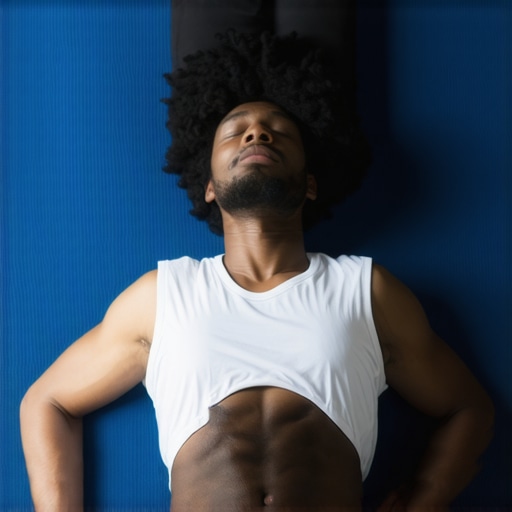
Master the Pelvic Reset to End the Tug-of-War
If your pelvis is tilted forward—a position often called anterior pelvic tilt—your hip flexors are literally under tension 24/7. They are like a guitar string tuned three octaves too high. To fix this, you must learn the simple pelvic tilt that makes sitting for hours painless. Think of your pelvis as a bucket of water; if it tilts forward, the water spills out the front. By engaging your lower glutes and drawing your pubic bone toward your belly button, you “level” the bucket. This mechanical adjustment provides instant slack to the psoas. I used to struggle with how to stop your pelvis from hiking every time you walk until I realized my glutes were essentially asleep. The moment I woke them up, my hips stopped fighting for control. This is the concept of reciprocal inhibition: when you contract the muscle on one side of a joint (the glute), the muscle on the opposite side (the hip flexor) is neurologically forced to relax, providing far more relief than a traditional stretch ever could.
Engage Your Deep Core Without Traditional Crunches
Stability is the ultimate cure for chronic tightness. If your deep core muscles—the ones that act like a natural corset—aren’t firing, your hip flexors will step in to act as stabilizers. This is a job they aren’t meant for, which is why they get so grumpy. You need to discover the secret to strengthening your deep core without sit-ups. Sit-ups actually use your hip flexors, often making the problem worse by pulling on the lumbar spine. Instead, focus on isometric holds like the ‘dead bug’ or ‘bird dog’ that require you to maintain a neutral spine while moving your limbs. This tells your brain, “Hey, the spine is safe, you can let the hips relax now.” I spent years doing hundreds of crunches only to find my back hurting more; switching to strategies for moving without pain changed everything. You’ll find that why your core strength isn’t stopping your back aches is usually a matter of recruitment, not just raw power. Once your transverse abdominis takes the load, your hips will finally feel free to move, leading to lasting expert tips for easier movement in 2025 that actually transform your daily life.
We need to have a serious talk about the ‘perfect posture’ lie. For years, I was the person who sat as rigid as a board, chest puffed out and shoulders pinned back, thinking I was doing my spine a favor. I wasn’t. In fact, I was creating a secondary layer of tension that my nervous system had to fight against. The common advice to ‘just sit up straight’ is often the very thing keeping you in pain because it treats your body like a statue rather than a living, breathing organism. Real posture correction secrets that transform back pain outcomes aren’t about being static; they are about variability and the ability to move through different positions without the brain sounding an alarm.
Forget Everything You Were Taught About Sitting Up Straight
The most common mistake I see is ‘postural armoring.’ This happens when you try to force a position your body hasn’t earned. If you have to use 100% of your willpower to keep your shoulders back, you are just trading one type of strain for another. This is why the truth about posture correctors and braces is so disappointing for many: they provide a false sense of stability that actually makes your deep stabilizers lazier. When you force a ‘straight’ spine, you often end up over-extending your mid-back, which puts massive shear stress on your vertebrae. Have you ever fallen into this trap of trying to look ‘correct’ while feeling miserable? Let me know in the comments, because I spent years there myself.
Why does my spine still feel stuck even after a successful adjustment?
This is the question that separates the beginners from the experts. You might visit a professional and feel amazing for an hour, but then the ‘heaviness’ returns. This happens because of a phenomenon called ‘neuromuscular memory.’ A study published in the Journal of Bodywork and Movement Therapies highlights that unless you change the sensory input your brain receives daily, it will default back to its old, guarded patterns to protect you. This is also why self-cracking your neck makes the stiffness come back faster; you are hitting the ‘reset’ button on the joint, but the software—your nervous system—is still running the ‘tightness’ program. To break the cycle, you have to pair those manual releases with intentional movement that proves to your brain the new range of motion is safe.
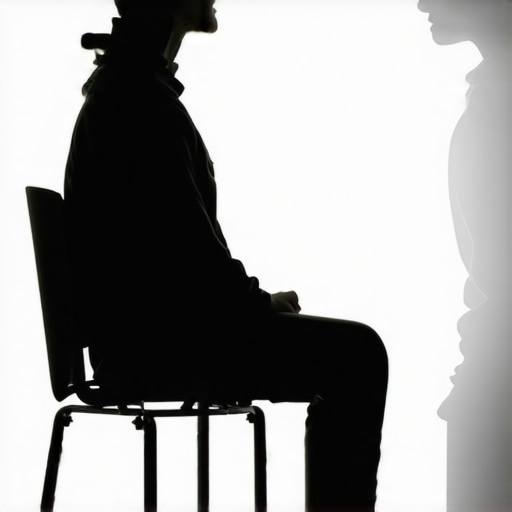
The Dangerous Trap of Sucking in Your Stomach
Here is a hidden nuance most ‘fitness influencers’ get wrong: they tell you to keep your core tight at all times. I used to do this to look thinner, but I eventually learned why you should stop sucking in your stomach to look thinner if you actually want a healthy back. Constant abdominal bracing creates a ‘pressure cooker’ effect in your torso, preventing the diaphragm from dropping and the psoas from relaxing. It actually increases the intra-abdominal pressure in a way that can aggravate disc issues rather than helping them. Instead of bracing, we need to find ‘active relaxation.’ When you learn how chiropractic adjustments can clear brain fog after a long week, you realize that the goal isn’t to be stiff—it’s to be efficient. True mobility is the ability to be strong when you need to be and soft when you don’t. If you are always ‘on,’ your hips will never find the peace they deserve.
I have wasted thousands of dollars on expensive gadgets that promised to fix my slouch. What I eventually learned is that tools are only as good as the intent behind them. For example, if you have a high-end seat but do not know the chair hack to keep your pelvis neutral while working, you are just paying for a comfortable way to slowly ruin your lumbar spine. I now rely on a few non-negotiables: a basic lacrosse ball for targeted release and a visual cue that forces me to reset my environment every hour. It is about creating a system where posture correction secrets that transform back pain outcomes become second nature rather than a chore.
Practical Tools That Actually Move the Needle
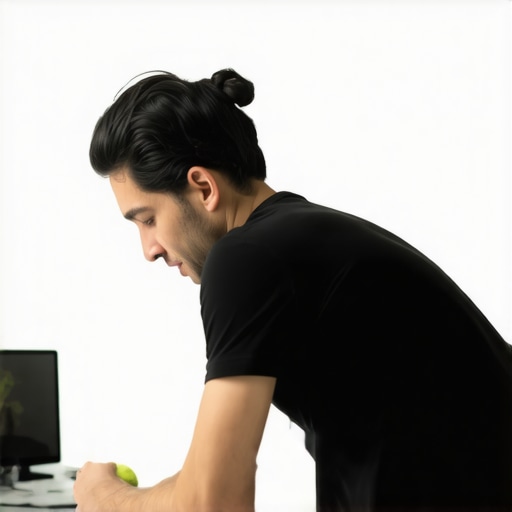
Instead of a $2,000 chair, I recommend investing in a simple footrest. Learning how to use a footrest to save your lower back at work was a game-changer for my psoas tension because it mechanically shortens the lever of the leg, taking the pull off the spine. I also swear by how to use a tennis ball to release tension in your feet and back. It is not about rolling aimlessly; it is about ‘pin and stretch’ techniques that provide localized sensory input to the brain. According to Dr. Stuart McGill, a world-renowned expert in spine biomechanics and author of Back Mechanic, the goal of any tool or exercise should be to create ‘proximal stiffness’ in the core to allow for ‘distal mobility’ in the limbs. If your current tool isn’t teaching you that distinction, it is just a toy, not a solution for mobility mastery.
How can I maintain these hip and back gains for the long haul?
Maintenance is where most people fail because they stop once the pain hits a zero. You have to adjust your routine to include ‘micro-breaks’ that reset your nervous system before it gets overwhelmed. I use a modified 20-20-20 rule: every 20 minutes, I stand up and perform the 30-second wall slide for instant shoulder relief. This prevents the cumulative ’tissue creep’ that leads to that heavy, stuck feeling by the end of the day. To truly succeed, you must improve posture through consistent, small-scale inputs rather than one-off marathons at the gym. It is about the expert tips for easier movement in 2025 that focus on the quality of your daily habits.
Look Out for Bio-Sensing Wearables
We are entering an era where our clothes will literally tell us when our glutes stop firing. I predict that within the next few years, haptic feedback sensors integrated into everyday fabrics will provide the ‘neural nudge’ we currently have to provide for ourselves through sheer willpower. This will revolutionize how we approach strategies for moving without pain. Until then, you have to be your own sensor. Start by mastering the morning movement routine that lubricates your joints to set the tone for the day. My challenge to you today is simple: set a timer for 30 minutes, and when it goes off, perform one single wall angel move. Do not overthink it. It is the smallest habit that creates the biggest shift in how your spine handles the modern world.
My Hard-Earned Truths About Why Hips Stay Stuck
After a decade of fighting my own body, I realized that the “no pain, no gain” mentality is a disaster for spinal health. Here are the core realizations that finally allowed me to enhance flexibility without the constant struggle.
- Muscle tension is a conversation, not a mechanical failure. When your psoas feels tight, it is usually because it is lonely and doing the work of three other muscles. Addressing your core and glutes stops the psoas from screaming for help.
- Small wins beat big marathons. A thirty-second reset every hour is infinitely more effective for posture correction secrets that transform back pain outcomes than a two-hour gym session once a week.
- Stability is the precursor to mobility. Your brain will never allow your joints to move freely if it suspects you will fall or get hurt. Giving your spine stability through breath is the only way to earn true range of motion.
My Minimalist Kit for Pain-Free Living
You don’t need a garage full of equipment to maintain mastery over your mobility. These are the three things that live in my office and actually make a difference. First, I keep a basic tennis ball under my desk. Learning how to use a tennis ball to release tension in your feet and back provides that critical sensory reset when the day gets long. Second, a simple adjustable footrest. Knowing how to use a footrest to save your lower back at work is the single most underrated ergonomic adjustment you can make. Finally, I recommend the book “Back Mechanic” by Dr. Stuart McGill; it is the gold standard for anyone who wants to understand the science of a resilient spine without the fluff. [IMAGE_PLACEHOLDER]
Your Spine Deserves a Fresh Start in 2025
It is easy to feel like you are stuck in a body that won’t cooperate, but remember that your nervous system is always capable of learning new patterns. By shifting your focus from “fixing” to “listening,” you open the door to a level of comfort you might have thought was gone forever. Start today by applying these posture tips for 2025 and notice how even the smallest shift in your breath or pelvic alignment ripple through your entire day. Your journey to a pain-free life doesn’t require a miracle; it just requires a little more curiosity and a lot less force. Let’s make this the year you finally feel at home in your own body. Have you ever spent weeks stretching your hips only to feel even tighter the next day? Let me know your experience in the comments below!